
Hong Kong Invests HK$1 Billion in AI, Plans 10,000 Civil Service Job Cuts to Address Deficit
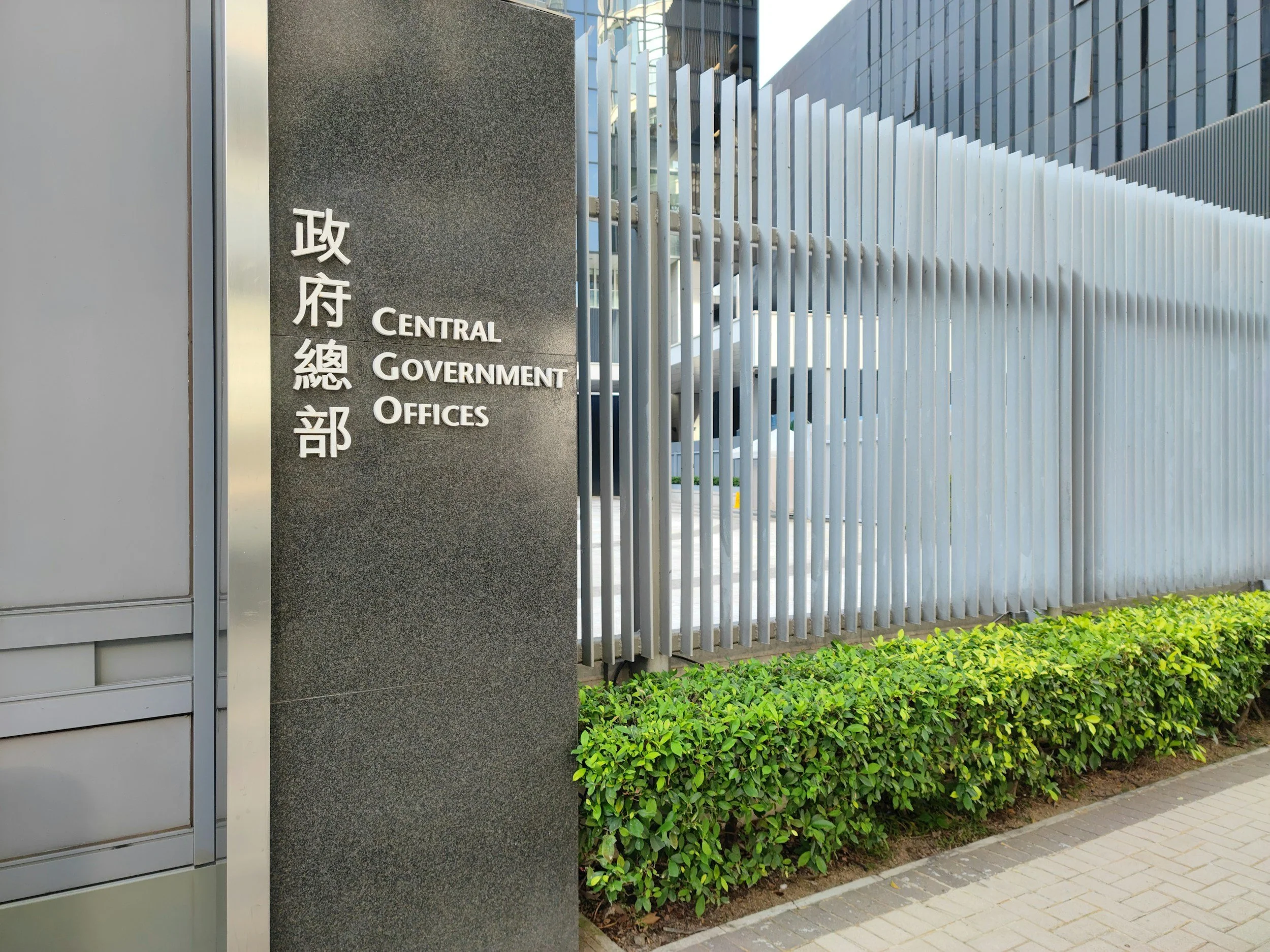
Image Credit: 高德 小露 | Splash
The Hong Kong government has announced an allocation of HK$1 billion for the establishment of the Hong Kong AI Research and Development Institute as part of its 2025-26 Budget, aiming to strengthen its position in artificial intelligence and technology innovation. At the same time, the government plans to reduce the civil service workforce by 10,000 positions by April 2027, a measure intended to help address a projected fiscal deficit of HK$87.2 billion for the 2024-2025 financial year.



Economic Challenges and Strategic Response
Hong Kong’s public finances are under significant strain, with the government citing a slow post-pandemic recovery, global economic headwinds, and a sharp downturn in the property market. According to official budget documents, land premium revenues—which previously accounted for more than 20% of government income—are now around 5% due to a substantial decline in property values.
In response, Financial Secretary Paul Chan has outlined an economic strategy that leverages technology, particularly AI, as a means to diversify the city’s economy and reduce reliance on traditional sectors. This is part of a broader effort to position Hong Kong as a competitive technology hub within the Greater Bay Area, alongside neighboring Shenzhen and global centers like Singapore.



Details of the AI Investment
The HK$1 billion fund will be used to create the Hong Kong AI Research and Development Institute, under the oversight of the Digital Policy Office. According to government announcements, the institute will work with local universities and Cyberport—where the AI Supercomputing Centre began operations in late 2024—to promote AI research, innovation, and practical applications.
Planned initiatives include:
Research: Establishment of AI innovation centers in partnership with academic and industry stakeholders.
Applications: Development of AI solutions for sectors such as finance, healthcare, and logistics.
Talent: Expansion of the Technology Talent Admission Scheme (TechTAS) to attract international AI professionals.
Public Sector Use: Adoption of AI in areas such as data-driven urban planning and public safety.
The government anticipates that initial projects will commence in mid-2026, with broader implementation targeted for 2027. Industry sources estimate that Hong Kong could see demand for over 2,000 AI-related positions in 2025, although this is not an official government projection.



Civil Service Reduction Plan
To improve fiscal sustainability, the government will reduce the civil service workforce by approximately 10,000 positions (about 5% of the total, currently around 191,000 staff) by April 2027. This will be achieved through a 2% annual reduction in both 2026-27 and 2027-28. The plan primarily targets administrative and support roles, according to government statements, and will include retraining programs for affected employees.
A pay freeze for all civil servants, including senior officials, is also proposed for 2025-26. Specific details on which departments will be affected have not been disclosed. Some commentators have raised concerns about potential risks to public service delivery—particularly in healthcare and education.



Benefits and Risks
The government expects the new AI initiative to diversify Hong Kong’s economy by attracting global investment and creating high-skilled jobs, aiming to reduce the city’s reliance on the property and financial sectors. Officials also hope the measures will strengthen Hong Kong’s role as an innovation hub within the Greater Bay Area and help restore fiscal stability through cost-saving actions such as job cuts and a pay freeze for civil servants.
However, the planned reduction of 10,000 civil service positions has raised concerns about job security and possible public dissatisfaction. Some analysts and union representatives warn that reductions in administrative roles could increase pressure on remaining staff, and there is uncertainty about how essential services might be affected. In addition, experts note that Hong Kong must address challenges in developing AI talent and infrastructure if it is to compete effectively with other global technology centers.


















 TheDayAfterAI News
We are a leading AI-focused digital news platform, combining AI-generated reporting with human editorial oversight. By aggregating and synthesizing the latest developments in AI — spanning innovation, technology, ethics, policy and business — we deliver timely, accurate and thought-provoking content.