
OpenAI Tightens Security Measures Amid Espionage and DeepSeek Allegations
Image Credit: Zulfugar Karimov | Splash
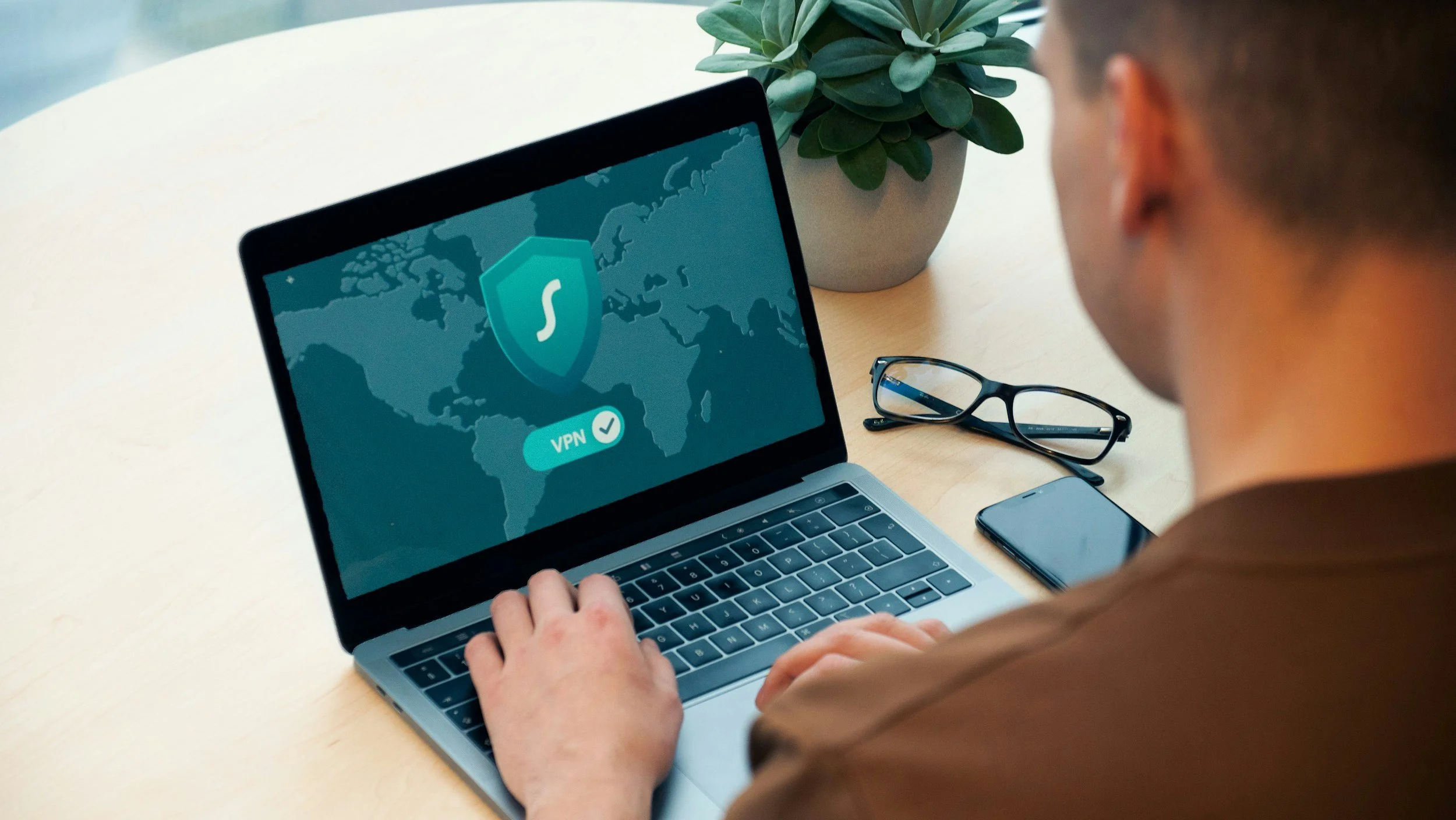
OpenAI has significantly strengthened its internal security protocols to protect its artificial intelligence models from potential foreign espionage, including biometric fingerprint scans for access to sensitive areas, isolated offline computer systems, and the hiring of military and cybersecurity experts.
The upgrades aim to safeguard proprietary technology amid allegations of intellectual property theft by Chinese AI startup DeepSeek, highlighting escalating tensions in the global AI competition where U.S. companies seek to maintain advantages over international rivals.

















Security Enhancements Detailed
The security changes, implemented in recent months leading up to July 2025, include "information tenting" to restrict employee access to core algorithms, with discussions limited to verified personnel in secure environments.
Sensitive AI technology is stored on air-gapped systems disconnected from the internet, under a "deny-by-default" policy that mandates approvals for any external links. OpenAI has also bolstered physical protections at facilities and expanded its security team to counter threats.























Background on Threats
These measures respond to broader U.S. worries about Chinese attempts to acquire advanced AI, part of ongoing technological rivalry. Export controls on semiconductors and investments in Chinese AI have been in place since 2023 to address national security.
OpenAI's actions follow reports of abusive activities, including cyber espionage, detected and disrupted in operations detailed in a June 2025 report, amid warnings from U.S. intelligence on state-sponsored efforts to narrow gaps in AI capabilities.















DeepSeek Allegations
DeepSeek, based in Beijing, released its DeepSeek-R1 model in January 2025, offering low-cost AI that quickly gained popularity and positioned it as a challenger to ChatGPT.
OpenAI and investor Microsoft launched an investigation into claims that DeepSeek employed "knowledge distillation" by querying OpenAI's models to train its system, potentially breaching terms of service. White House AI czar David Sacks cited substantial evidence of potential IP theft through distillation.
DeepSeek rejected the accusations, citing service issues from attacks and restricting new users. The U.S. Navy reminded personnel of DoD restrictions on generative AI apps, including DeepSeek, due to security risks, while the National Security Council assessed wider implications.




























Industry Impact
The episode has led to scrutiny of AI data-sharing practices, where accessible APIs foster innovation but create exposure risks. U.S. AI developers are strengthening government collaborations for protection, which may hinder open research while improving safeguards.
DeepSeek's emergence contributed to market disruptions, with reports of a significant valuation impact on tech stocks in January 2025, underscoring concerns over U.S. leadership in a sector expected to grow substantially.
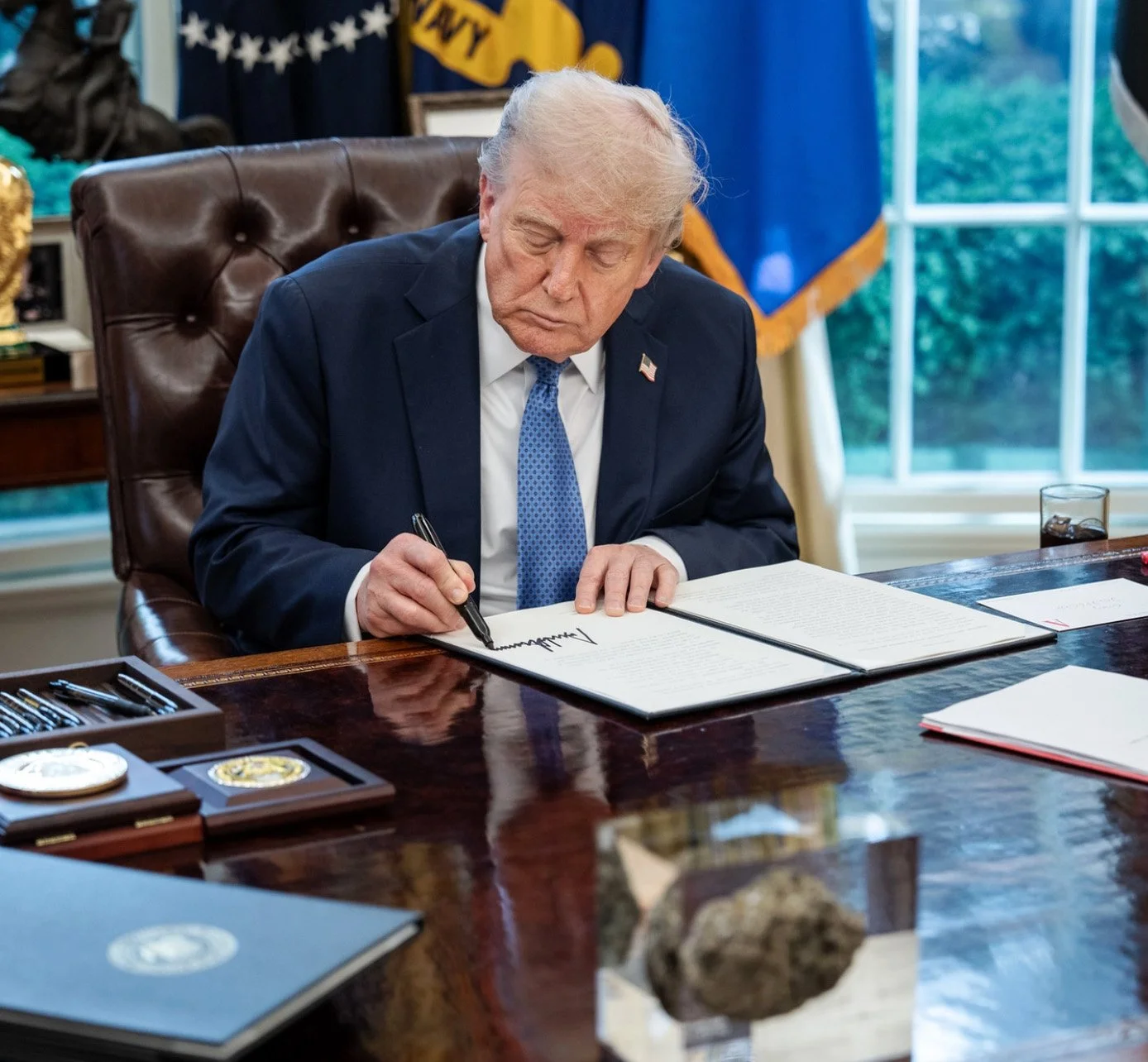
Analysts expect broader adoption of enhanced security like biometric verification and isolated environments as geopolitical strains intensify. Commerce Secretary Howard Lutnick initially advocated for stricter export controls on AI chips to China but later approved easings, such as resuming H20 sales, amid ongoing negotiations and criticism.
This evolution could boost domestic investments but limit global partnerships, potentially affecting progress in areas such as healthcare and environmental modeling, as firms prioritize security over openness in competitive landscapes.
























 TheDayAfterAI News
We are a leading AI-focused digital news platform, combining AI-generated reporting with human editorial oversight. By aggregating and synthesizing the latest developments in AI — spanning innovation, technology, ethics, policy and business — we deliver timely, accurate and thought-provoking content.