
OpenAI Rolls Out GPT 5.1 to 800M Users with 8 New ChatGPT Personalities
Image Source: OpenAI
OpenAI has released GPT 5.1, an upgrade to its core AI models that powers ChatGPT, focusing on more natural conversations and reliable task handling. The two new variants, GPT 5.1 Instant and GPT 5.1 Thinking, began deploying on November 12 to respond to user feedback for warmer interactions.
The update arrives three months after GPT 5's launch in August, reflecting OpenAI's push to refine large language models amid rising expectations for intuitive AI tools. It reaches ChatGPT's roughly 800 million weekly active users in a phased rollout over the coming days, starting with paid subscribers.

























Rollout Details and Access
OpenAI announced the changes via its blog, with server side integration for smooth access. Deployment prioritises paid plans including Pro, Plus, Go and Business, followed by free and logged out users. Enterprise and education accounts receive a seven day early access option.
GPT 5.1 Instant handles routine queries with quick, context aware replies, while the Thinking version scales effort for intricate problems like multi step planning. Both integrate into the ChatGPT app and API, with usage limits aligned to existing tiers. Developers can select variants through model identifiers, supporting shifts in applications from content creation to data analysis.
This phased approach allows OpenAI to monitor performance at scale, similar to prior updates where gradual waves addressed initial stability issues.


























Key AI Advancements
The core refinements target communication and cognition, building on GPT 5's unified architecture. GPT 5.1 introduces eight preset personalities for customising tone, including Default, Professional, Friendly, Candid, Quirky, Efficient, Nerdy and Cynical, enabling outputs that align closer with user preferences. This addresses critiques of earlier versions feeling overly formal, with OpenAI noting better adherence to custom instructions for precise control over behaviour.
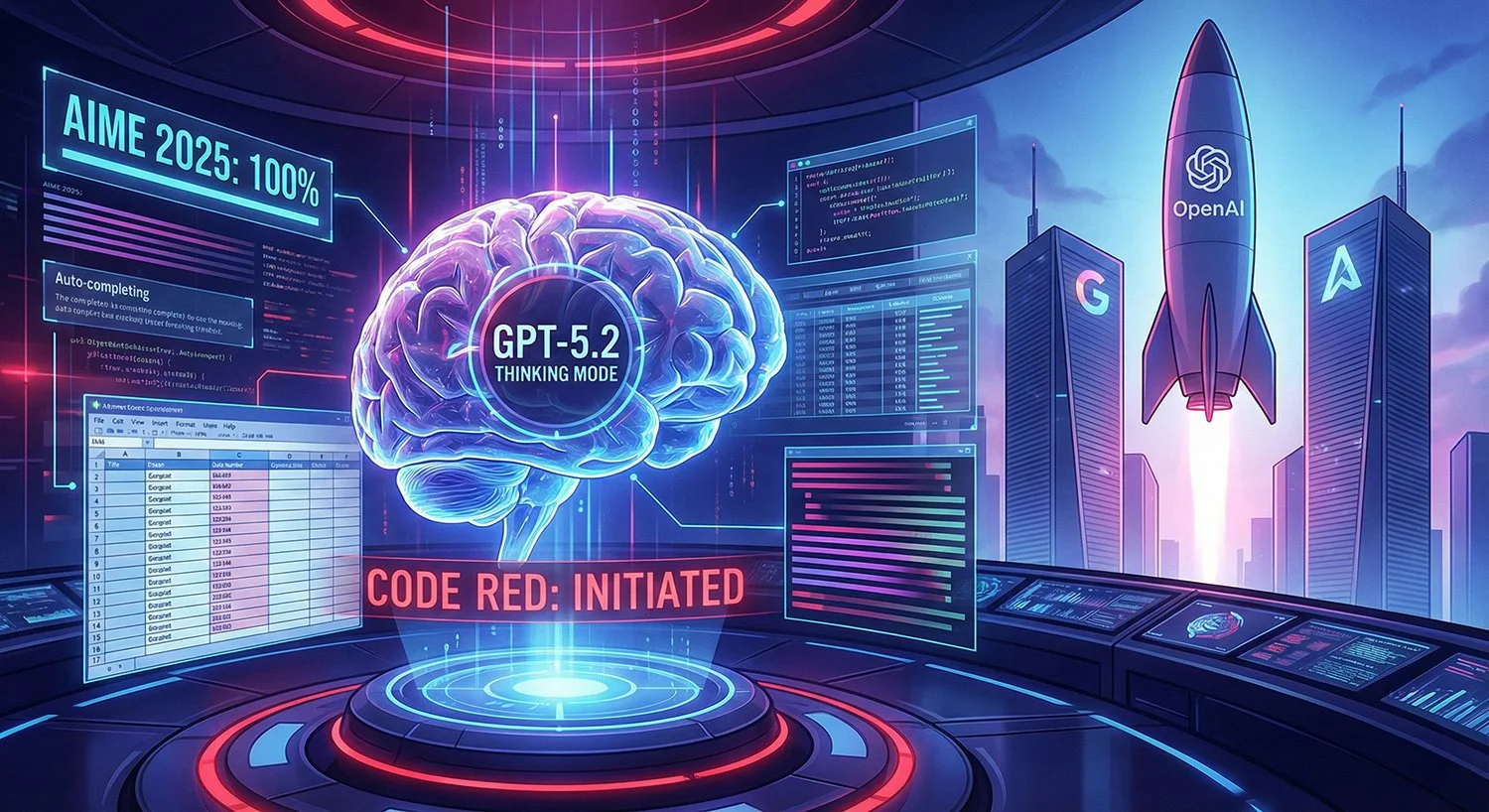
Adaptive reasoning stands out in the Thinking mode, where the model adjusts processing time based on query complexity, responding faster to simple tasks and more thoroughly to challenging ones. The Instant variant applies lighter adaptive reasoning when needed for efficiency. OpenAI reports gains on benchmarks like AIME 2025 for math and Codeforces for coding, alongside reduced factual errors in evaluations.
These steps draw from user input, where OpenAI heard calls for AI that is not only smart but enjoyable to engage with, leading to tweaks that cut off topic drifts and enhance direct query responses.























Background and Competitive Landscape
OpenAI's rapid iteration follows GPT 5's debut, which set records in coding and tool use but drew mixed reviews on conversational tone. The firm analysed vast interaction data to pinpoint gaps, resulting in this focused enhancement without a full retrain.
The timing aligns with peer advancements: Google's Gemini 2.5 Flash debuted in April with native audio and thinking features, while Anthropic's Claude Sonnet 4.5 launched in September emphasising hybrid reasoning and coding prowess. These developments highlight a sector maturing around practical reliability over raw scale.
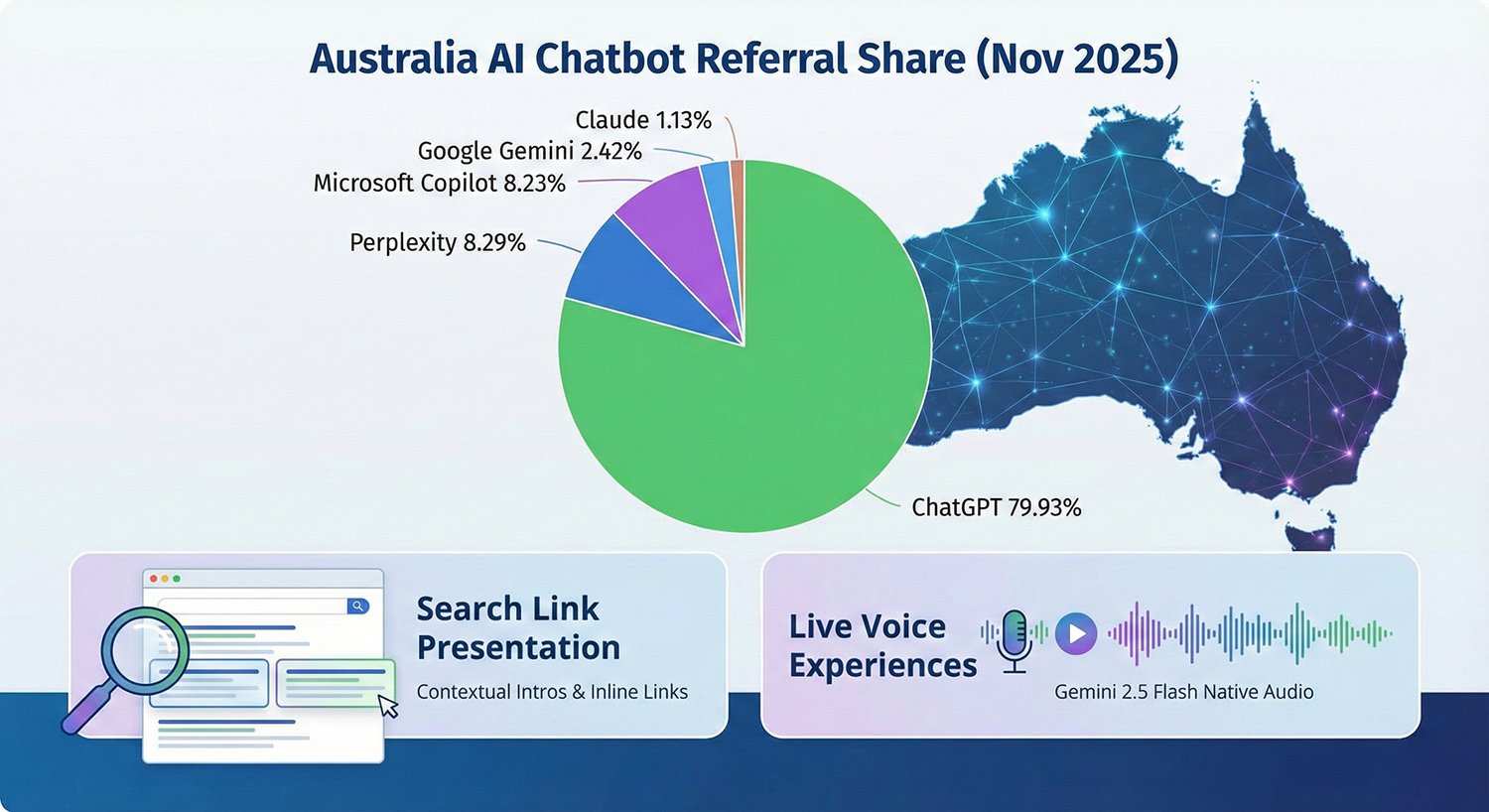
In Australia, where 66 per cent of small businesses now use AI some or all of the time, the free tier rollout could further drive integration in sectors like retail and professional services. Larger firms continue to outpace smaller ones in uptake, per government trackers.




























Impacts and Future Directions
For everyday users, GPT 5.1 offers a more consistent tool for brainstorming or troubleshooting, potentially increasing daily engagement. Enterprises may benefit from steadier outputs in workflows, though Gartner warns over 40 per cent of agentic AI projects could be cancelled by 2027 due to costs and unclear value.
The AI software market is projected to reach 297.9 billion dollars by then, with growth in specialised applications. OpenAI's emphasis on safety evaluations, including red teaming for misuse, supports this trajectory, though European Union scrutiny on biases and data practices remains a factor.
From an independent perspective, this release marks incremental progress in AI's shift toward usable companions, tempered by ongoing debates on energy use and ethical alignment. OpenAI hints at further multimodal features, but the field demands vigilant oversight as adoption deepens.




































 TheDayAfterAI News
We are a leading AI-focused digital news platform, combining AI-generated reporting with human editorial oversight. By aggregating and synthesizing the latest developments in AI — spanning innovation, technology, ethics, policy and business — we deliver timely, accurate and thought-provoking content.