
Gemini 3.0, GPT-5.1 & Grok 4.1: New AI Tools Cut Research Time by 50%

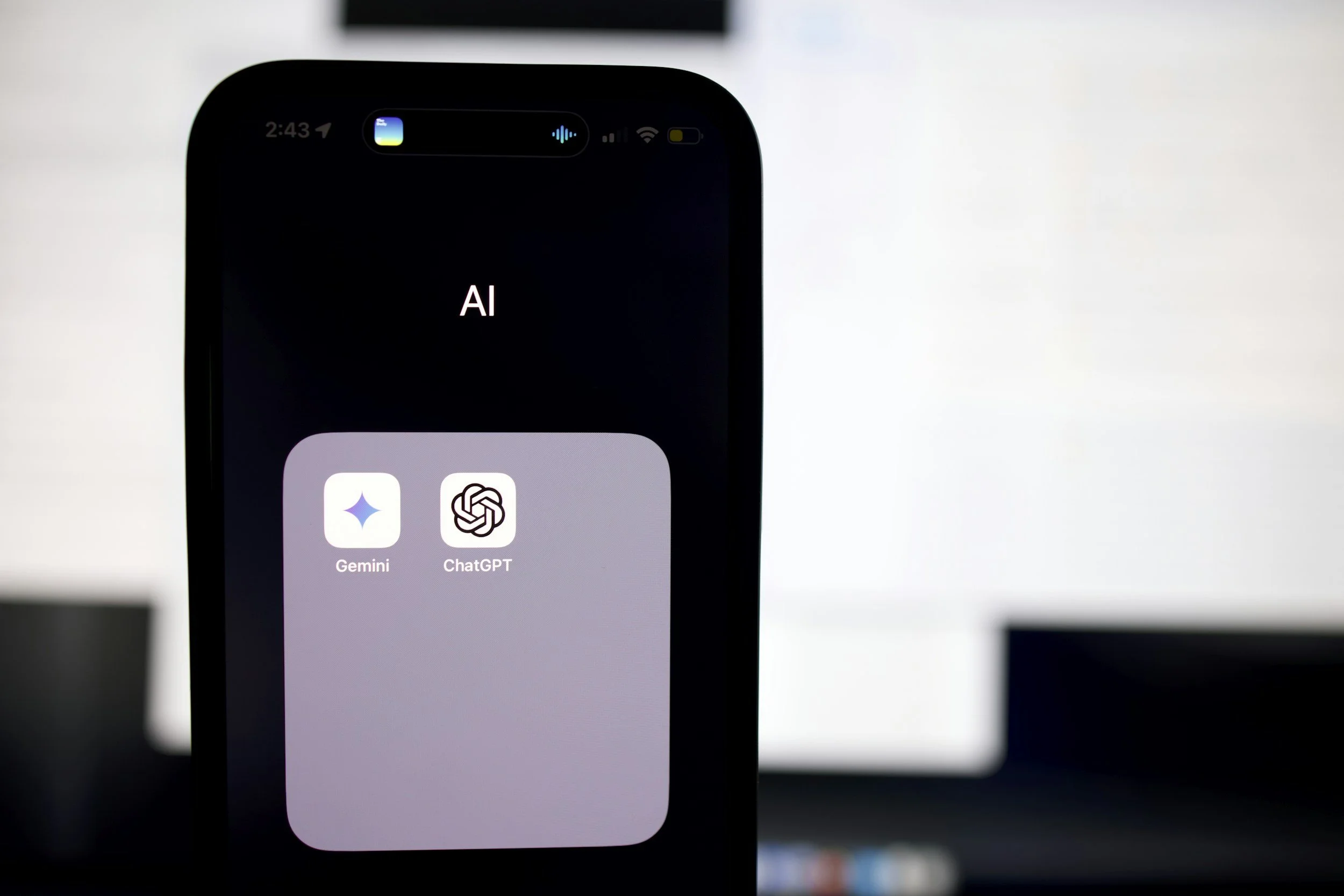
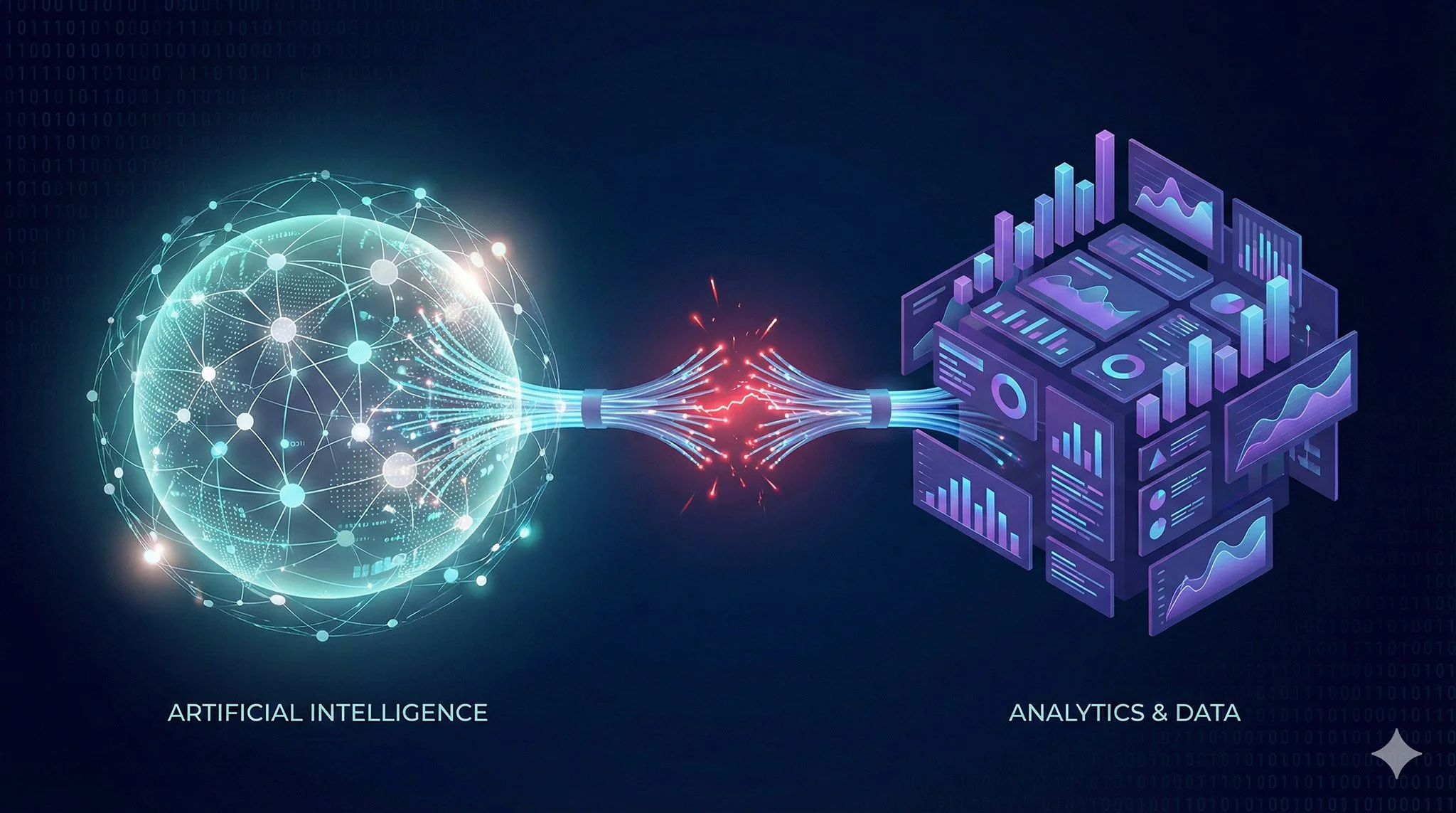
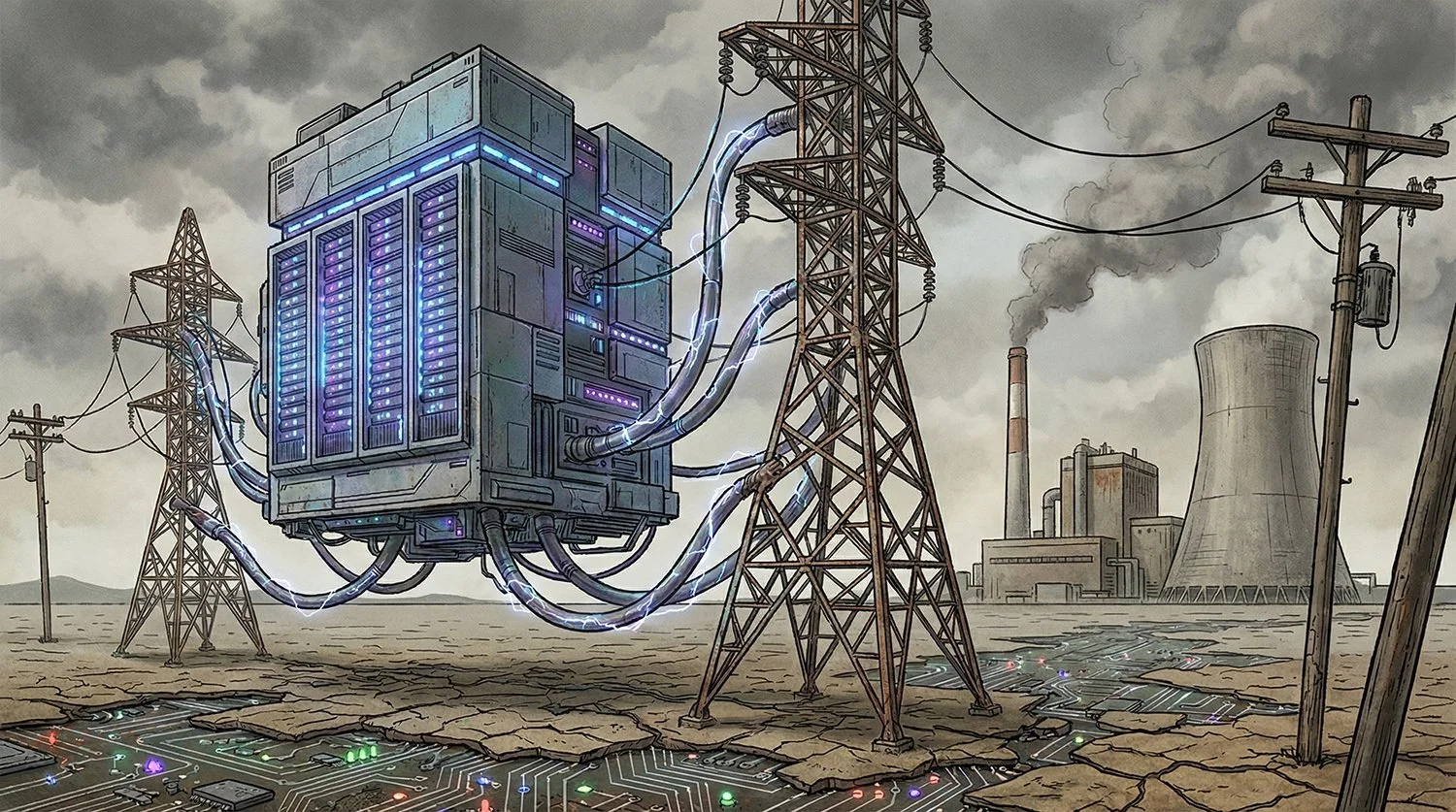
AI-generated Image (Credit: Jacky Lee)
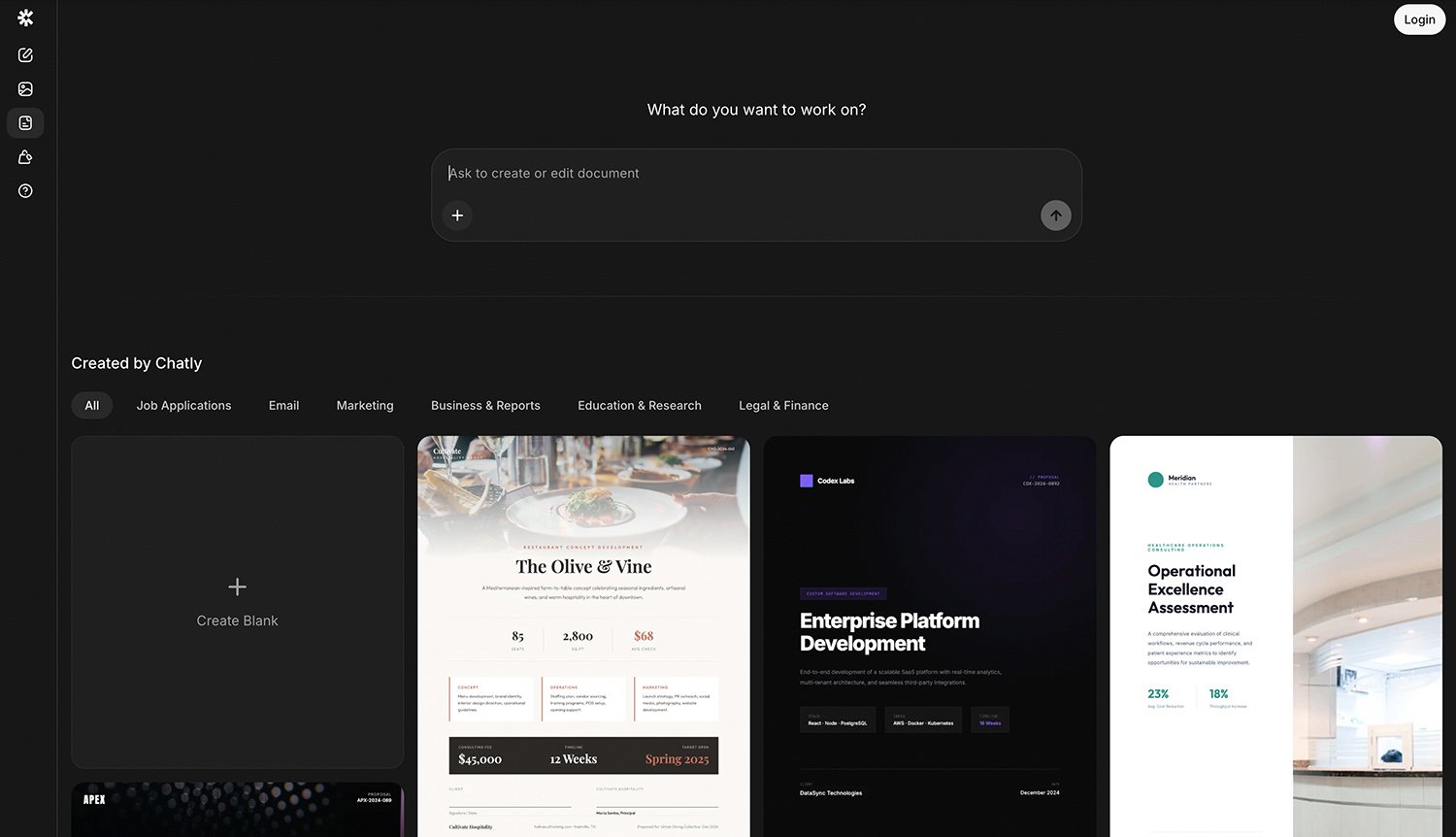
Researchers conducting literature reviews are increasingly turning to artificial intelligence tools designed to search, summarise, and synthesise academic papers. While Perplexity AI remains a frontrunner for its dedicated scholarly search features, a wave of updates in mid-November 2025 has intensified comparisons. Analysis suggests no single platform outperforms all others across every metric, as strengths vary significantly by task, source access, and reasoning depth.
Perplexity AI, launched in 2022, continues to lead initial scoping with its "Academic" focus mode, which prioritises peer-reviewed journals and repositories like Semantic Scholar and PubMed. Its Pro subscription, priced at US$20 per month (roughly A$31), offers high "Deep Research" limits, enabling the system to scan hundreds of sources and generate structured overviews in minutes. Users praise its speed and citation-backed responses, though they note it relies on open-web or institution-linked content rather than bypassing paywalls.










Comparative Performance in Key Areas
Specialised Extraction Tools Tools like Elicit and Consensus remain the preferred choice for structured evidence synthesis. Elicit, often compared to Perplexity’s Academic mode, excels at pulling tabular data, such as patient populations and methodologies, making it indispensable for systematic reviews in medicine and social sciences. Consensus focuses on extracting agreement levels across studies, offering “yes/no/maybe” answers grounded in empirical findings to quickly settle disputed topics.






















General Reasoning Engines
The landscape for general-purpose models has shifted dramatically in the last fortnight:
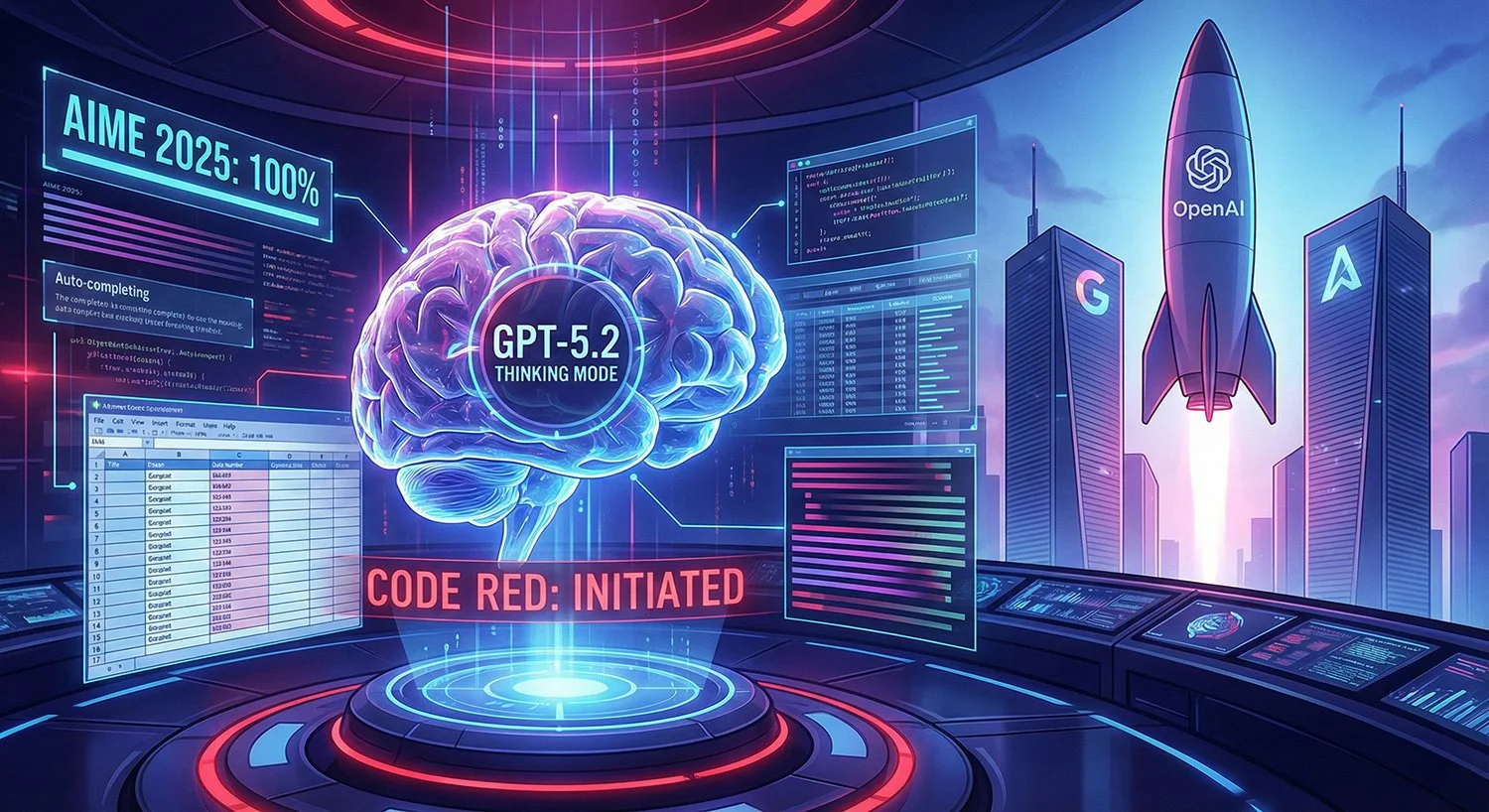
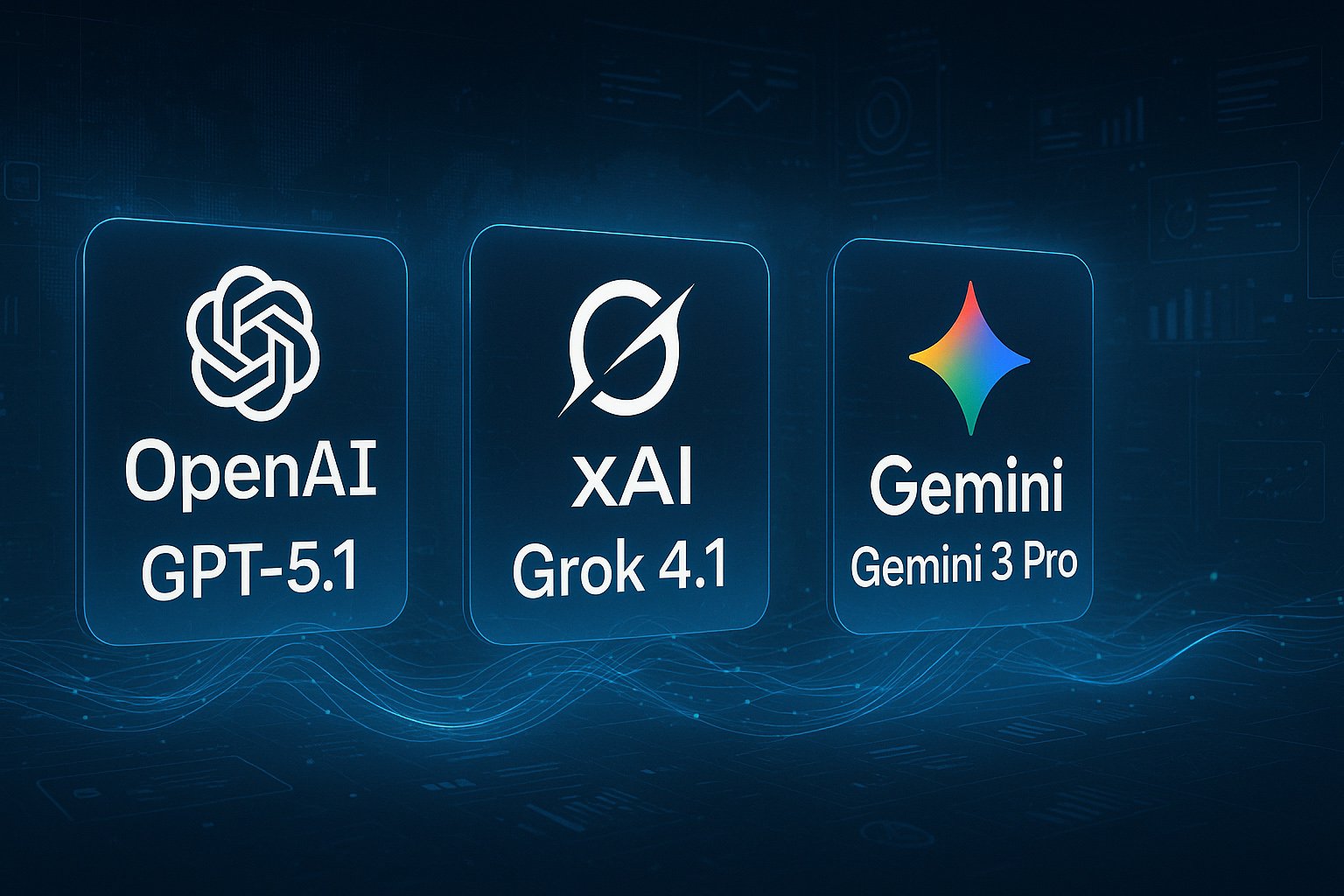
OpenAI’s ChatGPT, now powered by GPT-5.1 (released November 12, 2025), features refined agentic "Deep Research" modes. Early testers report that the v5.1 update has significantly improved instruction following and the synthesis of diverse viewpoints, although it still requires manual verification of sources.
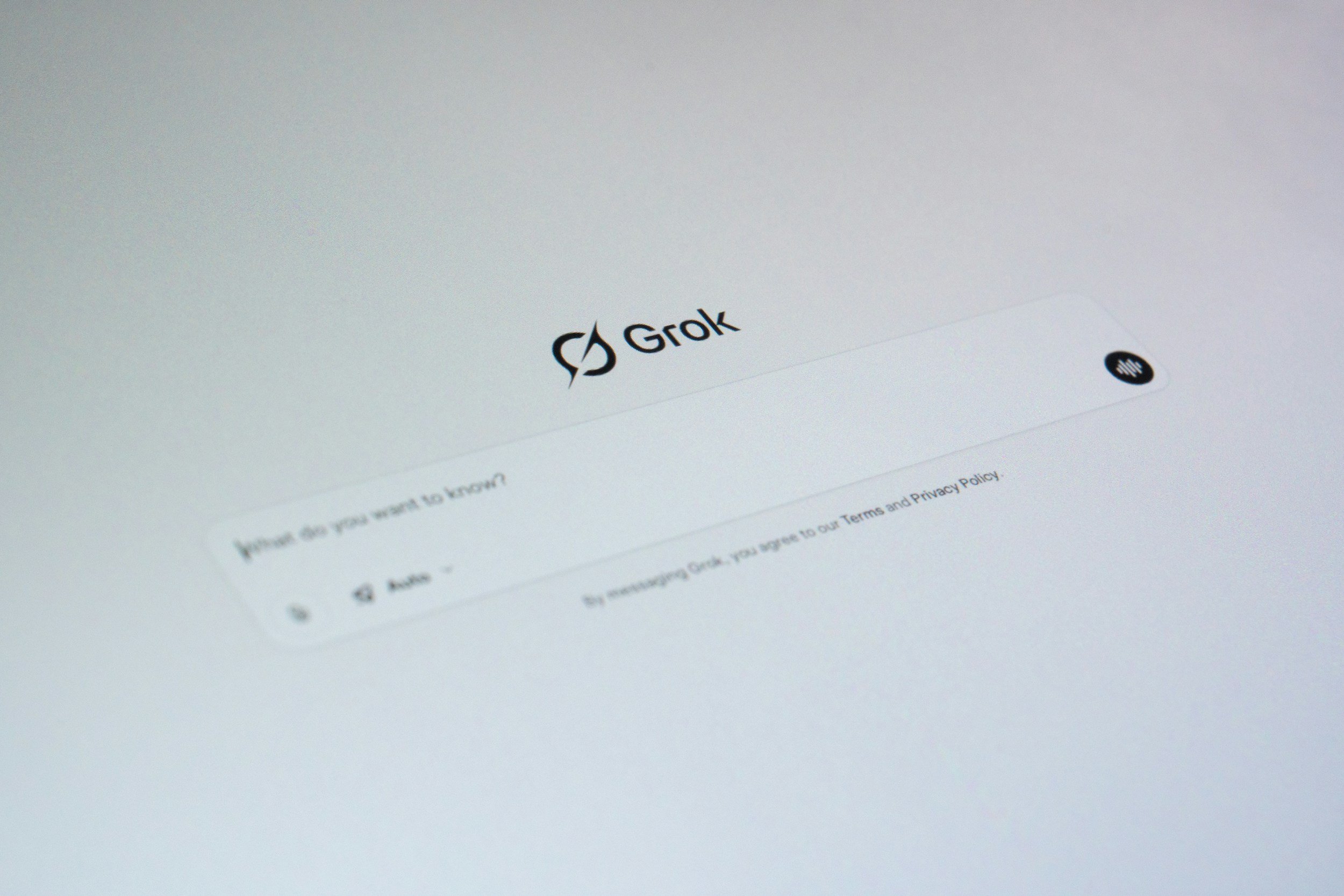
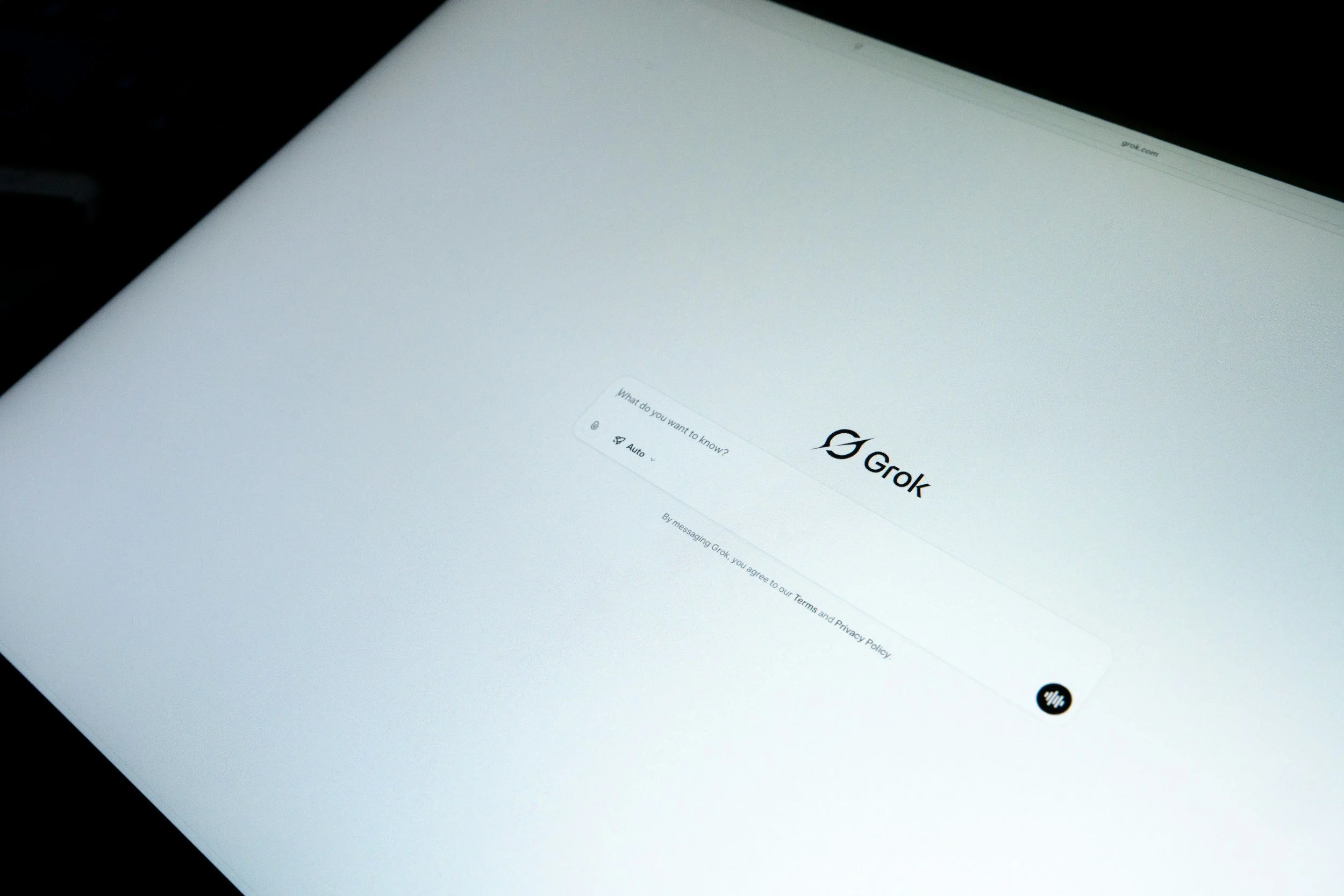
xAI’s Grok 4.1, released on November 17, 2025, marks a major pivot from its predecessor. While retaining real-time web access, the 4.1 update explicitly targeted factual accuracy, with benchmarks showing a sharp reduction in hallucinations. It is now positioned not just for rapid brainstorming, but as a viable contender for STEM-focused hypothesis testing, having closed the gap in "emotional intelligence" and nuance required for qualitative analysis.
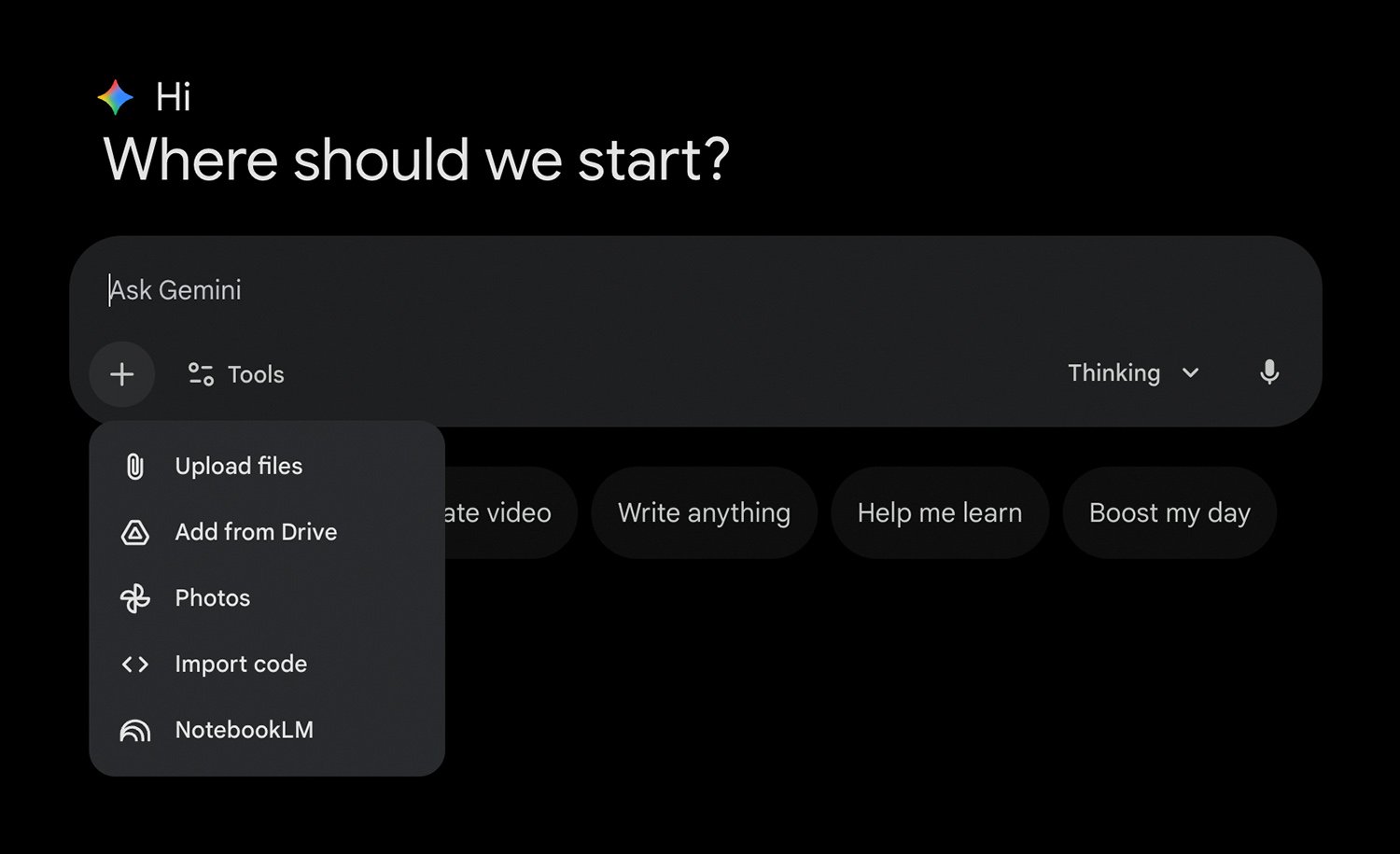
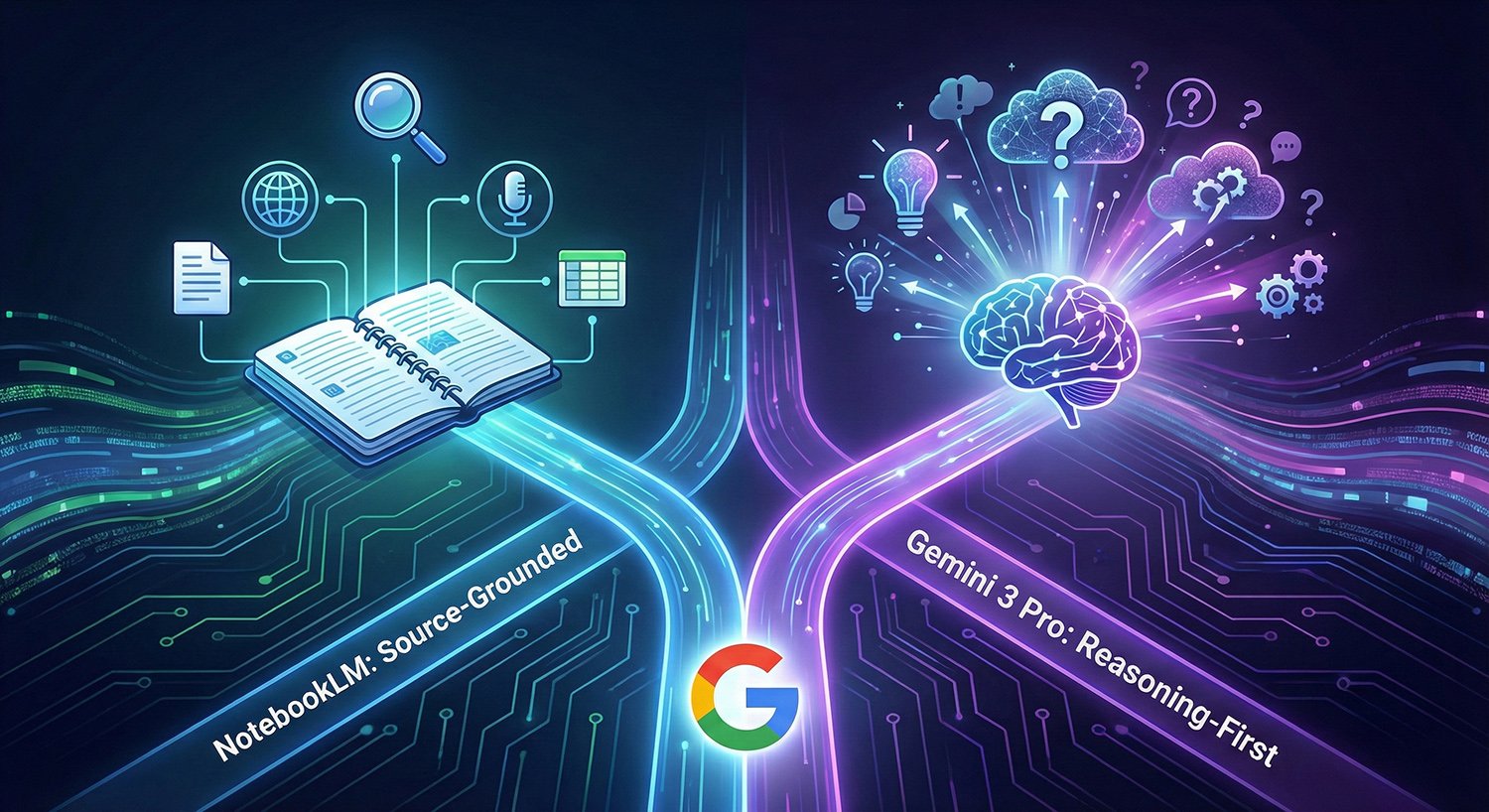
Google’s Gemini 3.0, released on November 18, 2025, has replaced the 2.5 series as the company's flagship. The new Gemini 3.0 Pro and the reasoning-focused Gemini 3.0 Deep Think mode offer substantial upgrades in logic and planning. Deep Think is particularly adept at generating multi-section reports with structured layouts and visual elements, processing dozens of full-length papers within its massive one million context window.
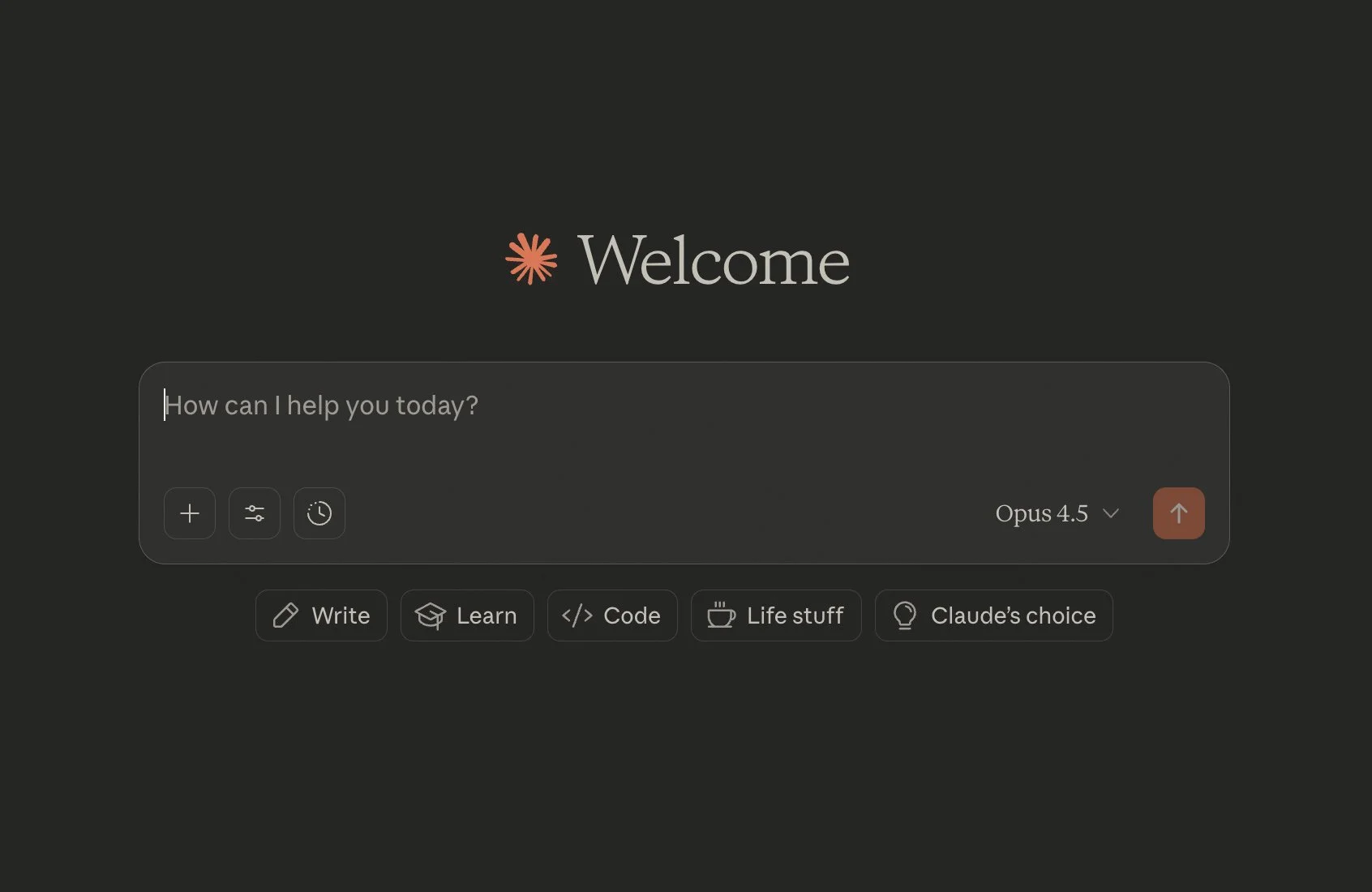
Anthropic’s Claude models, specifically Opus 4.1 (released August 2025) and Sonnet 4.5 (released September 2025), retain a loyal following in academia. Researchers value Claude for its nuanced critique, "red-teaming" of hypotheses, and writing assistance, often citing it as the most "human-like" partner for drafting complex discussion sections.






















Background and Development Drivers
The explosion of AI-assisted reviews reflects the "publication crisis". By late 2025, scholars are navigating several million new articles annually, rendering traditional manual reading methods unsustainable. AI tools address key pain points: discovering relevant papers, mapping disagreements, and identifying research gaps.
The sector has matured rapidly since Semantic Scholar introduced AI-driven search in 2015. Start-ups like Perplexity and Elicit (both emerging in the early 2020s) layered task-specific workflows over large language models. The competition reached a fever pitch in late 2025 as major labs — OpenAI, Google, and xAI — simultaneously rolled out "deep research" agents capable of planning multi-step search strategies, moving beyond simple question-answering to iterative investigation.




















Impact and Future Trends
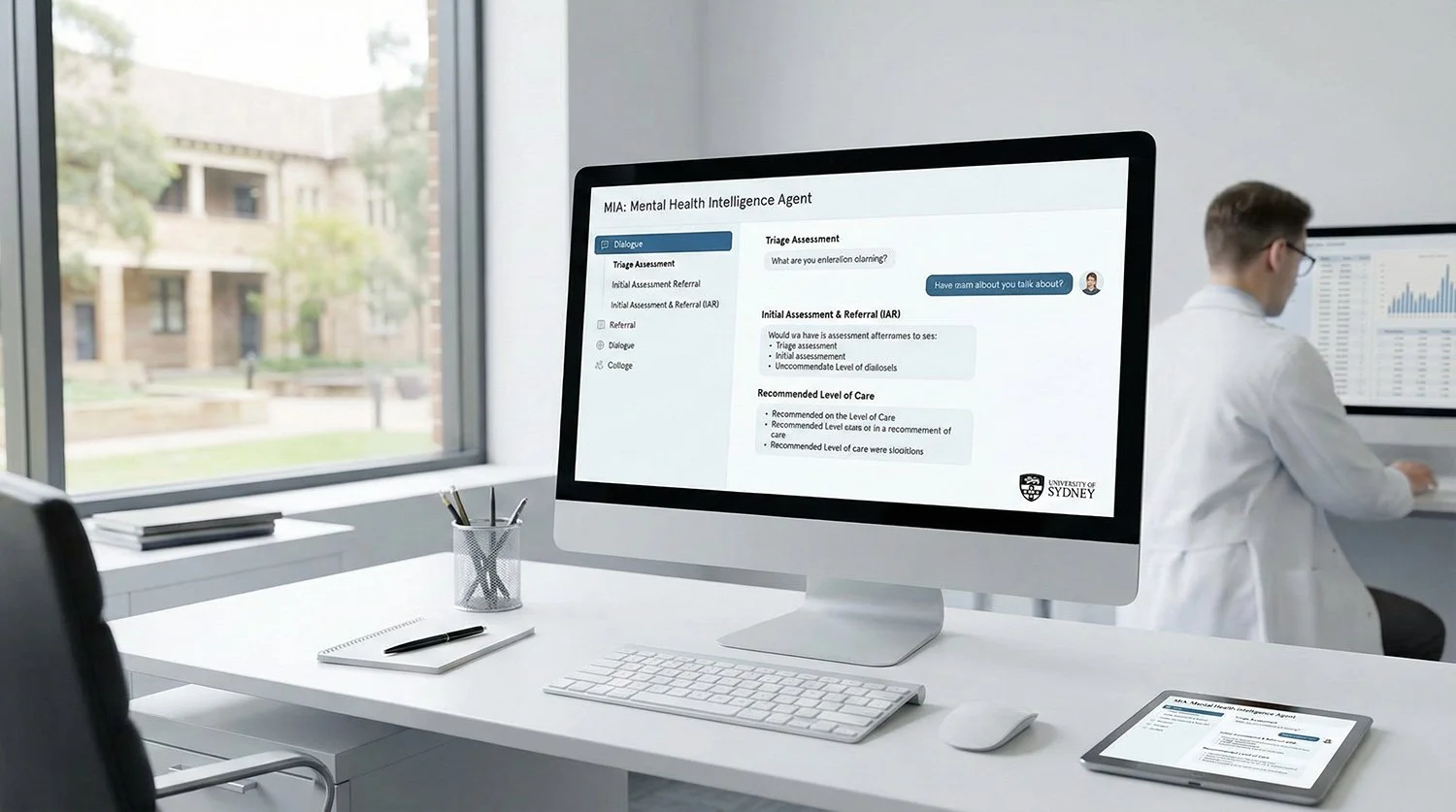
Academics adopting these tools report scoping reviews taking roughly half the time required by manual methods. Institutions are gradually integrating these platforms into library workflows, albeit with strict guidance on transparency and human oversight to mitigate biases.
In practice, a "hybrid stack" has become the standard: researchers use Elicit or Consensus for discovery and data extraction, then employ reasoning models like Gemini 3.0 Deep Think or Claude Opus 4.1 for synthesis and critique. As models like Grok 4.1 and GPT-5.1 continue to reduce hallucination rates, these systems are cementing their role not as replacements for expert judgement, but as essential accelerators for modern scholarship.

































 TheDayAfterAI News
We are a leading AI-focused digital news platform, combining AI-generated reporting with human editorial oversight. By aggregating and synthesizing the latest developments in AI — spanning innovation, technology, ethics, policy and business — we deliver timely, accurate and thought-provoking content.