
OpenAI Launches ChatGPT Agent: Automating Complex Tasks with Web and App Integration
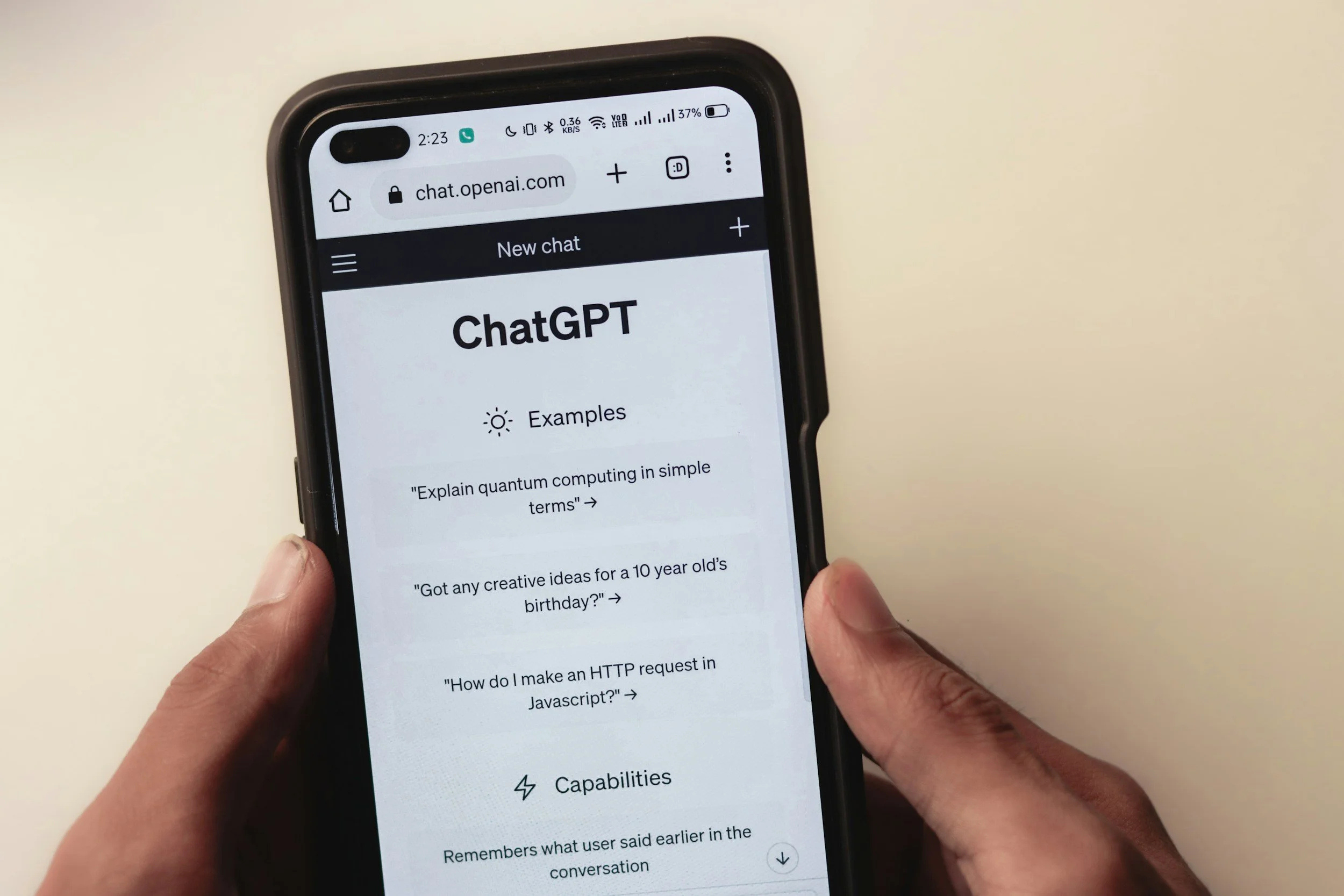
Image Credit: Growtika | Splash
OpenAI announced its ChatGPT agent on July 17, 2025, an AI feature enabling the chatbot to independently manage complex tasks by integrating research and web interaction tools, advancing automation in daily and professional settings.
The agent, embedded in the ChatGPT platform, supports tasks like competitor analysis for presentation creation, meal planning with online purchases, or real-time spreadsheet updates. It functions in a secure virtual environment, employing browsers and APIs for actions, while requiring user consent for sensitive operations such as payments.
Initially planned for immediate access to paid subscribers on Pro, Plus and Team plans, the rollout faced a week-long delay due to higher-than-expected demand and technical issues, completing on July 24 with an apology from OpenAI. The tool seeks to address limitations in prior AI systems by promoting proactive functionality with reduced human intervention.






















Key Features and Capabilities
ChatGPT agent combines two earlier OpenAI tools: Operator, launched in January 2025 for web tasks like navigation, and Deep Research, focused on information synthesis. This merger allows seamless transitions between planning and execution, utilizing a dedicated virtual computer.
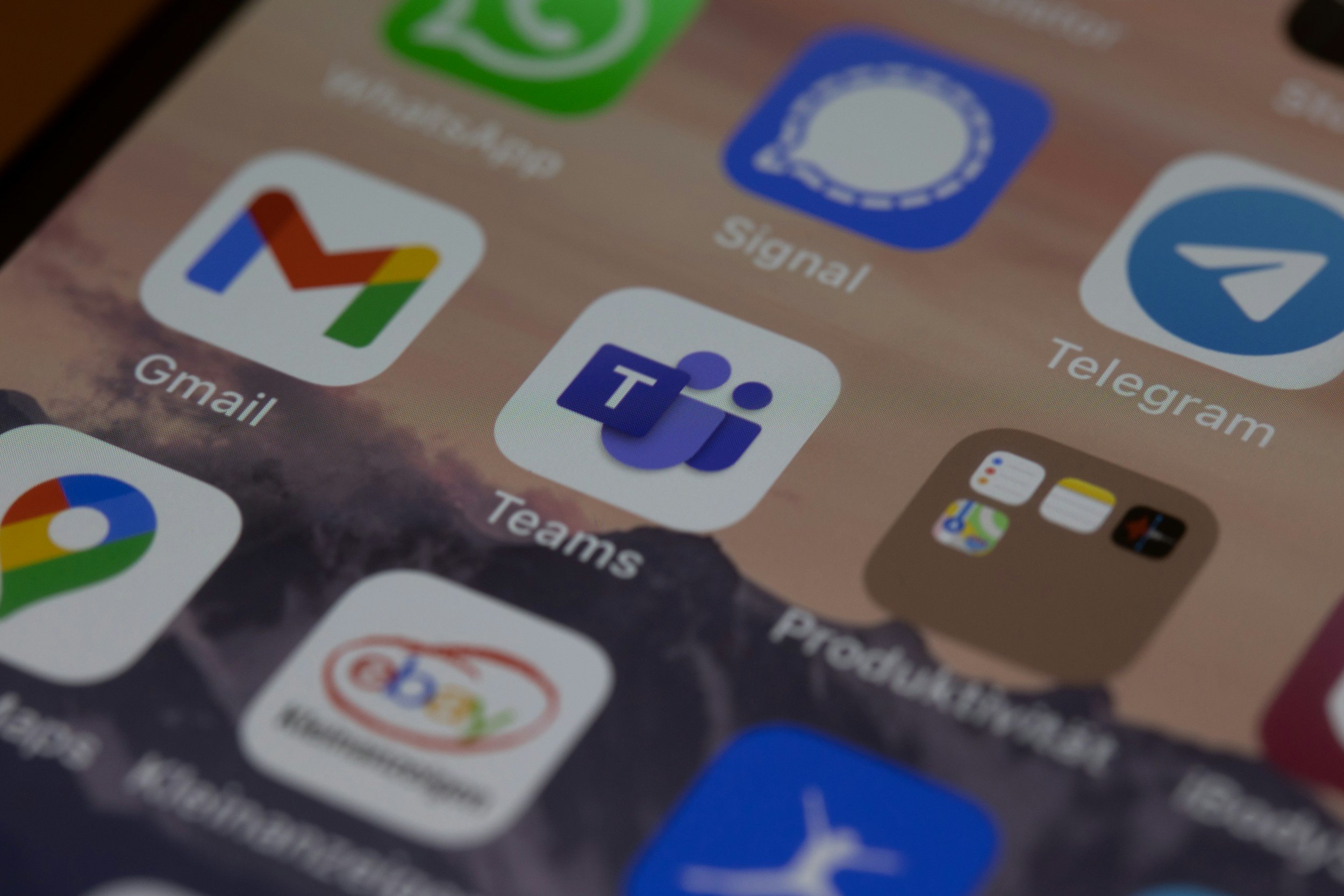
Functions encompass editing spreadsheets compatible with Microsoft Excel, producing editable presentations, automating e-commerce, coding and debugging, and workflow management such as meeting rescheduling via calendars. It links to apps like Gmail for emails and GitHub for repositories, delivering outputs in modifiable formats.
Security protocols include approvals for risky actions, data deletion capabilities, and protections against threats like harmful web commands. OpenAI categorizes the agent under its high-risk framework for areas like biological applications, involving expert evaluations and bug bounties.
Subscription limits apply: Pro users receive 400 messages monthly, Plus or Team users 40, with options to purchase more. Expansion to Enterprise and Education plans occurred in following weeks, with exclusions in regions like the European Economic Area due to regulations.


























Business-Oriented Enhancements
In early 2025, OpenAI introduced updates to bolster ChatGPT's professional applications through a phased rollout of connectors beginning in May. On May 15, a Dropbox connector launched for deep research, followed by broader beta connectors on June 4 for services including Google Calendar, HubSpot, SharePoint, OneDrive, Box and Gmail. These facilitate data access from proprietary systems, supporting customer support, analysis and automation.
Custom connectors through the Model Context Protocol enable organization-wide integration of internal tools by administrators. Record Mode, for paid users, enables meeting audio transcription to aid documentation, starting with Team users on June 4 and expanding to Enterprise and Education on June 18.
Collaboration expanded in June with shared projects retaining interaction history and file uploads for team use. Indications suggest development of multi-user chats and document editing, potentially creating a comprehensive productivity suite.
Advanced Voice Mode saw upgrades on June 7 for paid users, enhancing naturalness via improved intonation, pauses and expressiveness, beneficial for chatbots, with a gradual rollout across regions. Free users accessed these on July 17.





















Background and Development
OpenAI's agentic AI advancement builds on ChatGPT's 2022 debut, overcoming silos in prior models where research and actions were separate. Operator's web emphasis and Deep Research's analytical focus merged to meet demands for time-saving on complex processes.
The San Francisco-based firm, supported by Microsoft, has seen rising enterprise use, with over 80% of Fortune 500 companies adopting ChatGPT by mid-2025. CEO Sam Altman has noted potential unintended behaviours in announcements.

























Capabilities and Challenges
The agent's independence provides benefits like task streamlining in finance and e-commerce, surpassing human benchmarks and competitors such as Microsoft's Copilot. Integrations improve private data retrieval for customized applications.
Limitations include usage caps restricting intensive application, reported Voice Mode issues like tonal inconsistencies or inaccuracies, and ongoing security needs. Oversight requirements and geographic restrictions may impede broad uptake.
Third-party views see these as AI's shift to practical utilities, possibly disrupting conventional software through workflow-embedded intelligence. However, they challenge OpenAI's Microsoft partnership, given overlaps with Office offerings.

























Impacts and Future Trends
These advancements establish OpenAI as a rival to Microsoft and Google in productivity, potentially diminishing reliance on established suites. Privacy risks might delay business adoption.
Trends indicate growth in agentic systems toward enterprise suites, with OpenAI expected to focus on refinements and expansions amid competition-fueled progress, though European regulations could affect deployments.























Source: The Verge, Gadgets 360, OpenAI, TechCrunch






 TheDayAfterAI News
We are a leading AI-focused digital news platform, combining AI-generated reporting with human editorial oversight. By aggregating and synthesizing the latest developments in AI — spanning innovation, technology, ethics, policy and business — we deliver timely, accurate and thought-provoking content.