
DeepSeek’s Market Share Drops 72% as Global AI Competition Intensifies
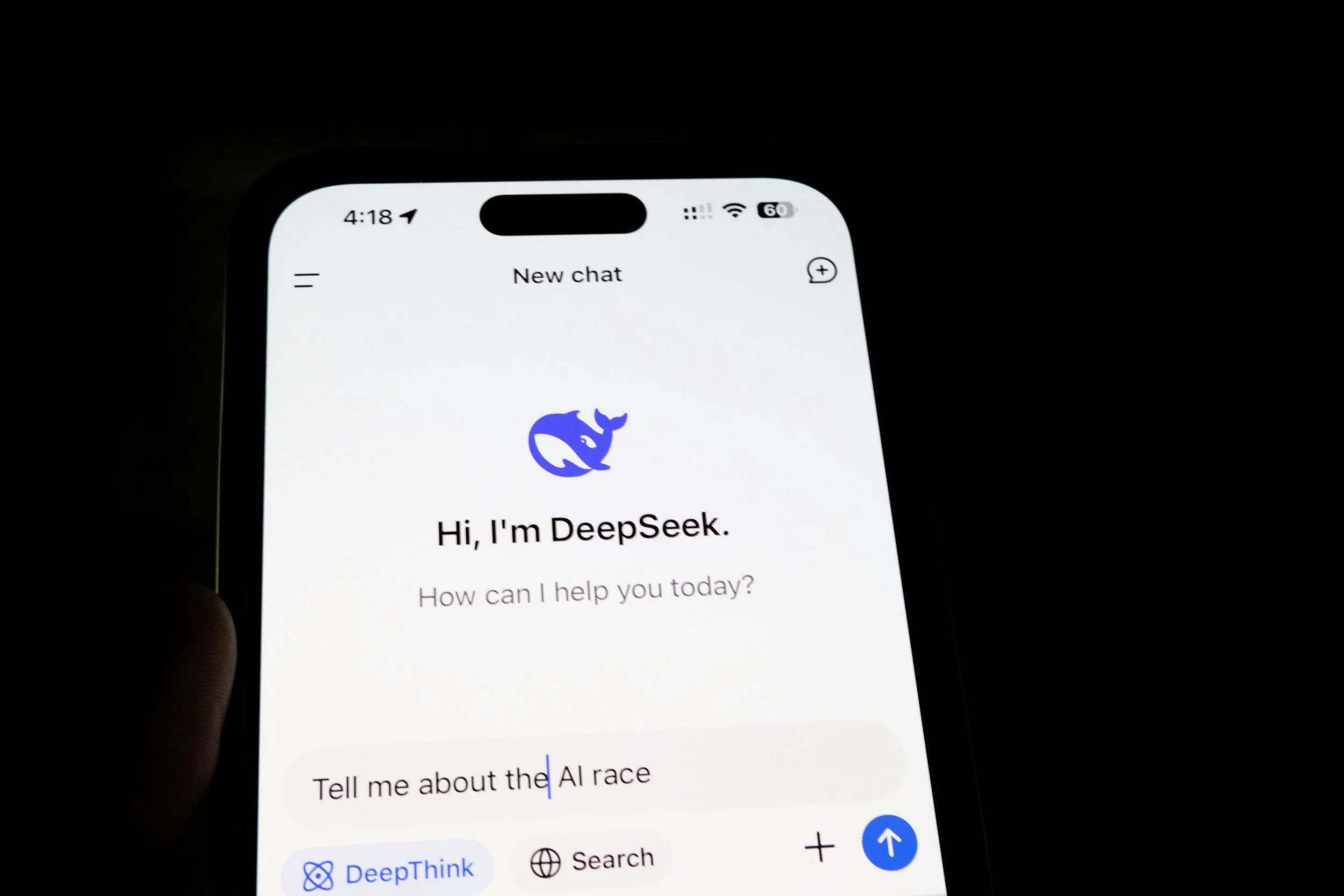
Image Credit: Solen Feyissa | Splash
DeepSeek, a Chinese AI startup that disrupted global markets with its cost-efficient, open-source DeepSeek-R1 model launched in January 2025, is facing challenges in maintaining market share and user engagement, according to industry data. The Hangzhou-based company, initially celebrated for its low-cost AI rivalling top models, saw its global market share decline from approximately 7% in early 2025 to 4% by mid-year, with web browser traffic dropping in absolute terms since the release and average monthly downloads falling 72.2% from 81 million in Q1 to 23 million in Q2 2025. These trends raise questions about DeepSeek’s long-term position in the competitive AI landscape, despite its peak of 97 million monthly active users in April 2025.























Background: A Meteoric Rise
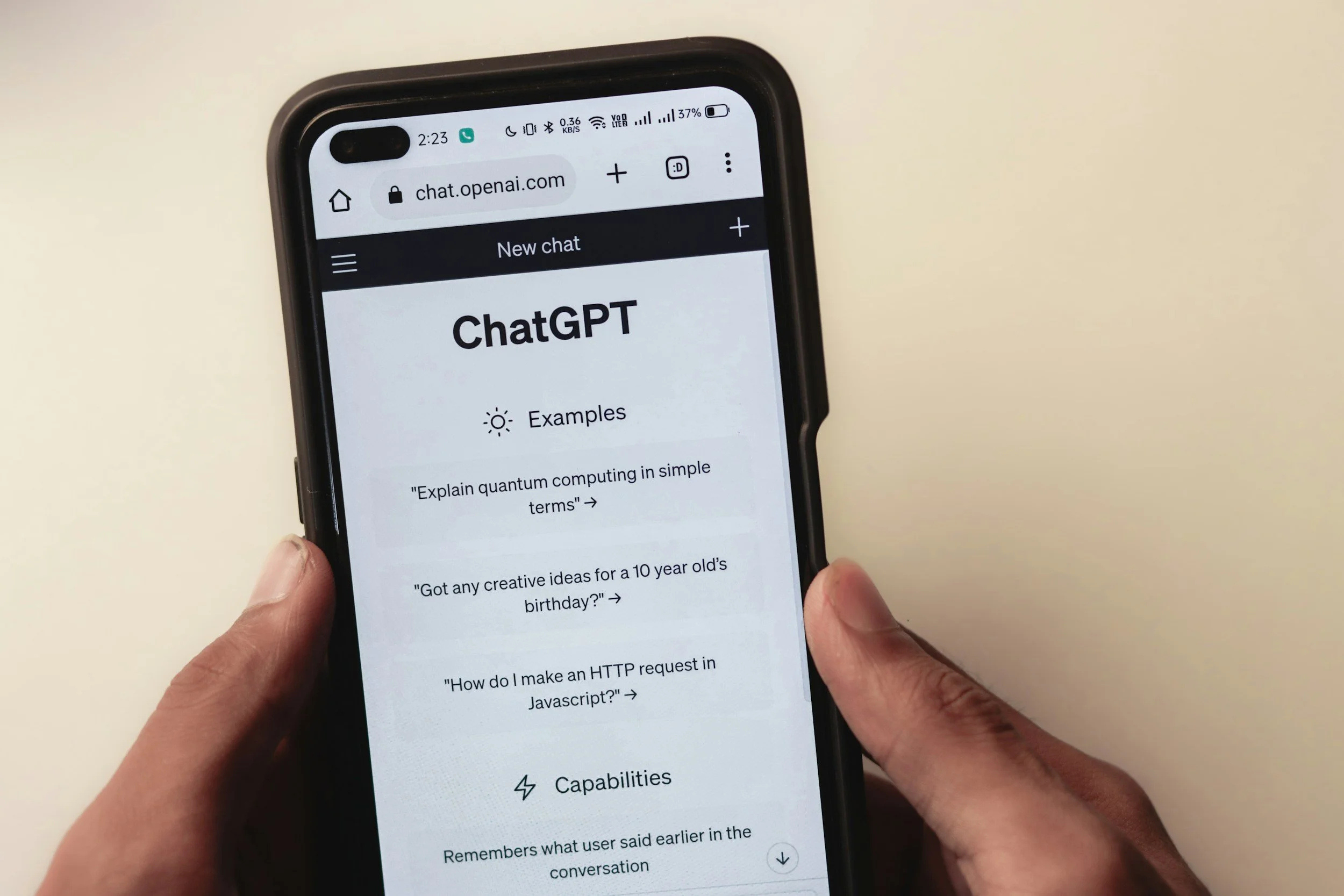
DeepSeek, founded in July 2023 by Liang Wenfeng, a former hedge fund manager, burst onto the global stage in January 2025 with the launch of DeepSeek-R1, a large language model (LLM) that rivalled OpenAI’s ChatGPT and o1 models in performance. The company reported training its V3 model, the foundation for R1, for US$5.6 million in computational costs using 2,048 Nvidia H800 chips, far below the US$100 million or more spent by U.S. competitors. This figure excludes broader expenses like research, data acquisition, and infrastructure maintenance. The model’s open-source nature and compliance with U.S. export controls on advanced chips allowed it to achieve widespread adoption, briefly overtaking ChatGPT as the top free app on Apple’s U.S. App Store in late January 2025.
The company’s emergence was dubbed “AI’s Sputnik moment” by venture capitalist Marc Andreessen, reflecting its challenge to U.S. dominance in AI. DeepSeek’s cost efficiency, driven by techniques like Mixture of Experts (MoE), sparked a market frenzy, with Nvidia losing nearly US$600 billion in market value in a single day as investors questioned the need for expensive AI infrastructure.


























Recent Decline: Shifting User Trends
Despite its initial success, DeepSeek’s market share has waned in recent months. By July 2025, posts on X indicated that while DeepSeek’s models were generating increasing global tokens, the number of tokens served directly from its servers was decreasing, suggesting users were leveraging its open-source code rather than its hosted services. App store rankings also show DeepSeek slipping from its peak, with user engagement dropping as competitors like OpenAI, Meta, and Google bolster their offerings.
Analysts attribute this decline to several factors. First, DeepSeek’s open-source model allows developers to fork its technology, reducing reliance on its platform. Second, its user interface has drawn criticism for being slower in general tasks and lacking features to engage casual users. Finally, concerns about censorship, required to comply with Chinese regulations, may deter users in markets valuing unrestricted access. DeepSeek avoids addressing sensitive topics such as the 1989 Tiananmen Square protests, reflecting legal obligations to align with China’s ideological framework.





















Reasons Behind the Shift
The AI sector’s competitive dynamics have played a significant role in DeepSeek’s challenges. U.S. tech giants have responded aggressively, with Meta and Microsoft enhancing proprietary models like OpenAI’s unreleased o3 and Google’s Gemini, which maintain strong user bases due to robust ecosystems. Other open-source models, such as Mistral AI’s Mixtral 8x7b, have adopted DeepSeek’s efficiency techniques, diluting its unique value proposition.
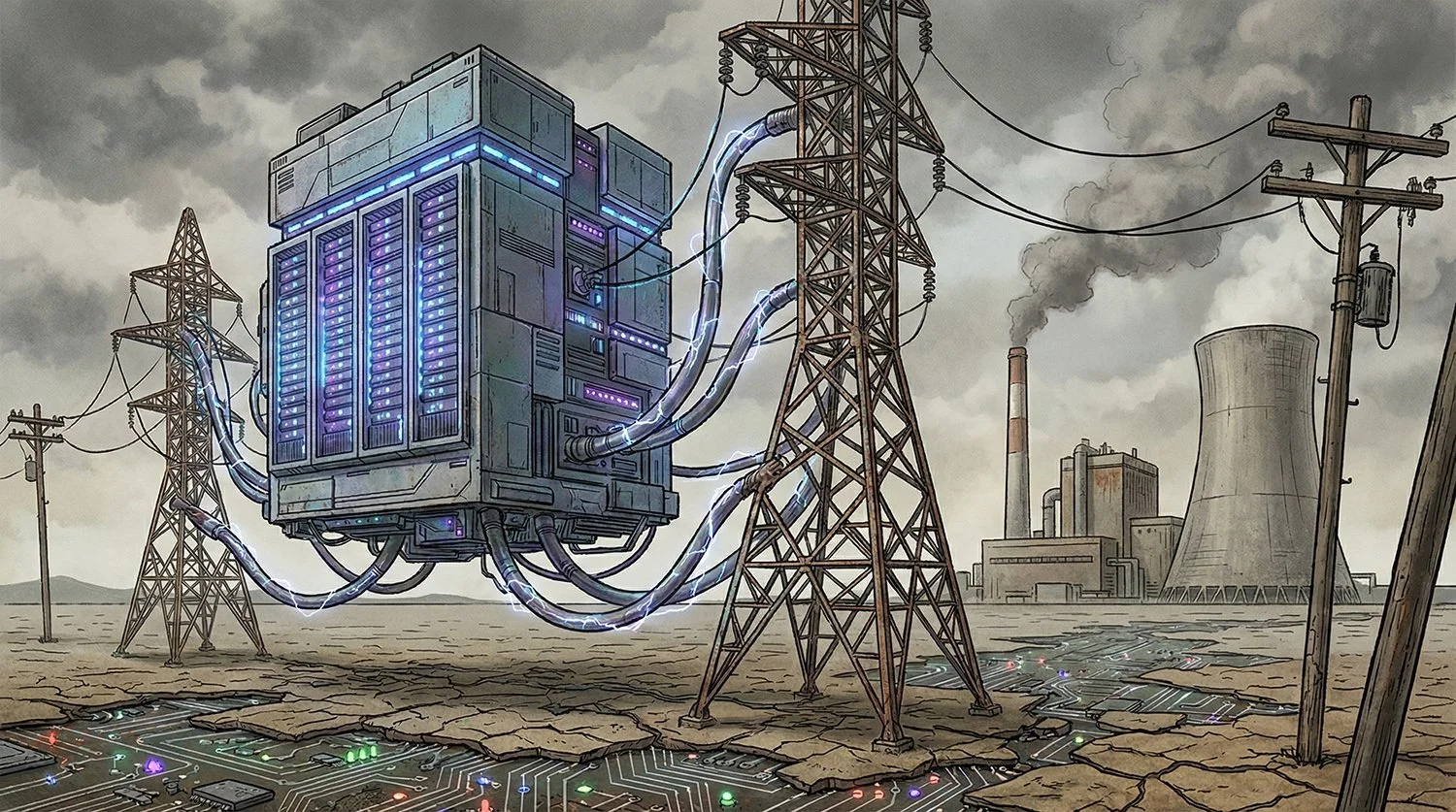
Geopolitical factors significantly impact DeepSeek’s operations. U.S. export controls on advanced AI chips, tightened in 2023, restrict DeepSeek’s access to cutting-edge hardware, creating a substantial compute disadvantage. In February 2025, Singaporean authorities arrested individuals for allegedly exporting Nvidia chips to DeepSeek, with investigations ongoing and no convictions reported. U.S. officials have raised national security concerns, discussing potential penalties, though DeepSeek remains off U.S. blacklists as of August 2025. Additionally, multiple U.S. federal agencies, including the Department of Commerce and Department of Defense, have banned DeepSeek’s use on government devices and networks since January 2025, citing risks of data exfiltration and ties to Chinese entities. These combined restrictions severely hinder DeepSeek’s ability to scale its infrastructure and operate freely in Western markets.




























Impact on the AI Industry
DeepSeek’s decline has broader implications for the AI market. Its initial success exposed vulnerabilities in the high-cost AI investment model, prompting U.S. firms to explore more efficient training methods. The open-source approach has accelerated innovation, with over 500 derivatives of DeepSeek’s models created on platforms like Hugging Face, though these reflect developer activity rather than widespread commercial adoption. However, this approach also underscores the risks of open-source strategies, as competitors can freely adopt the technology.
For investors, DeepSeek’s trajectory serves as a cautionary tale. The January 2025 market rout, which erased US$1 trillion from U.S. tech stocks, highlighted the sector’s sensitivity to disruptive innovations. While stocks like Nvidia rebounded, the event underscored the need for diversified AI investment strategies. Analysts at J.P. Morgan suggest that DeepSeek’s efficiency could shift value from chipmakers to software developers benefiting from lower computing costs.
























DeepSeek’s Approach
DeepSeek’s open-source model democratizes AI access, enabling smaller organizations to leverage advanced technology. Its cost efficiency challenges the narrative of escalating AI expenditures. Innovations like MoE have set new benchmarks for training efficiency.
The open-source model limits DeepSeek’s control over its technology, reducing direct revenue. Censorship, required by Chinese law, may alienate users in democratic markets. Reliance on older chips and restricted access to advanced hardware could hamper future development.





















Future Trends and Outlook
DeepSeek’s ability to regain market share will depend on improving user experience and expanding enterprise applications. Its participation in a January 2025 symposium with Chinese Premier Li Qiang signals potential government support, which could bolster its domestic position. However, the AI industry’s rapid pace favours players with robust ecosystems and access to advanced chips. U.S. firms are likely to maintain their lead unless DeepSeek overcomes hardware constraints. The open-source movement may further fragment the market, with multiple players vying for dominance.





























 TheDayAfterAI News
We are a leading AI-focused digital news platform, combining AI-generated reporting with human editorial oversight. By aggregating and synthesizing the latest developments in AI — spanning innovation, technology, ethics, policy and business — we deliver timely, accurate and thought-provoking content.