
AI Report Reveals How 20M Sq Ft of Smart Buildings Are Moving Toward 2030 Autonomy

Image Credit: Conny Schneider | Splash
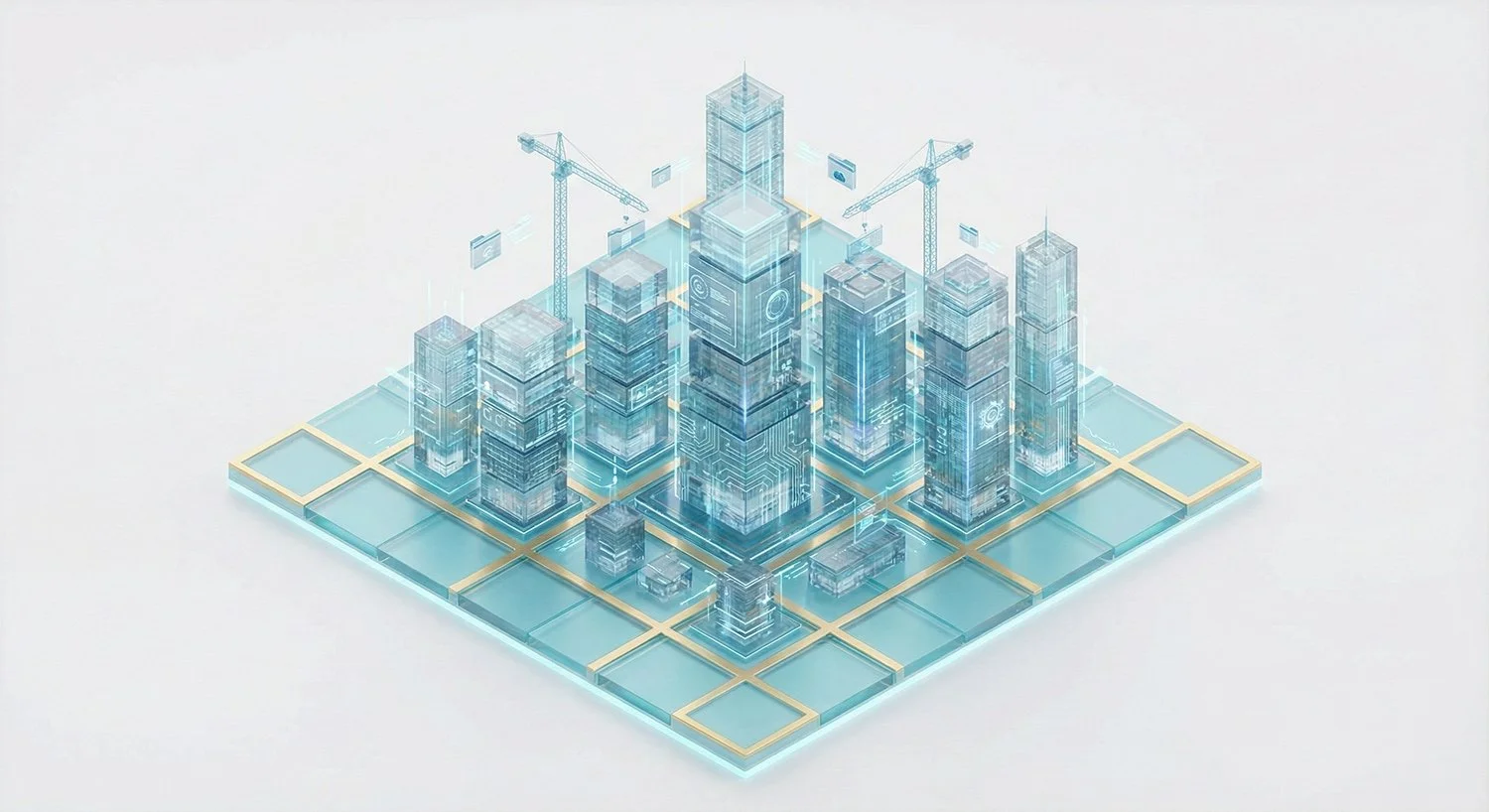
Artificial intelligence is accelerating the shift from static office properties to responsive, self-managing environments designed to reduce energy waste and enhance occupant wellbeing, according to a new facilities-planning analysis released on 30 September by U.S.-based knowledge provider Tradeline, which specialises in workplace and facility strategy insights.
Drawing on 20 million square feet of sensor data collected since 2019 across global office portfolios, the report outlines how AI-enabled platforms are replacing simple control systems with predictive tools that anticipate needs, optimise HVAC and lighting in real time, and adapt space usage around fluctuating work patterns.


















Post-Pandemic Pressures Drive AI Integration
One of the strongest drivers of AI uptake is the dramatic shift in office utilisation since COVID-19. Tradeline’s dataset shows global office utilisation falling from around 40% pre-pandemic to roughly 25% in the years that followed, with particularly low levels in North America.
More recent external indicators, such as the XY Sense 2024–25 Workplace Utilization Index, show utilisation recovering to ~37–40% globally, but the volatility caused by hybrid work continues to challenge building operators. Trends like “coffee badging”, where employees briefly badge into the office before working elsewhere, distort traditional occupancy metrics and complicate decisions around HVAC planning, lighting schedules, and cleaning operations.
Regulatory pressure adds urgency. Across Europe, the updated EU Energy Efficiency Directive (2023/1791) requires organisations to implement stricter monitoring and optimisation of building performance. Meanwhile, the built environment continues to account for roughly a third of global energy-related CO₂ emissions, historically cited at around 39% in leading IEA/UNEP assessments.
AI helps address these challenges by analysing large volumes of sensor data, from badge logs to indoor-air-quality monitor, to pinpoint inefficiencies. Tradeline cites cases where meeting rooms registering CO₂ above 1,000 ppm were rarely used yet still heavily conditioned, a situation associated in numerous studies with reduced cognitive performance and fatigue.
























Predictive Tools Take Centre Stage in Efficiency Gains
AI’s broadest impact lies in predictive and proactive optimisation.
Anticipating Occupancy and Scaling Systems
Tradeline reports that AI systems are being used to forecast when occupancy will reach certain thresholds, enabling HVAC and lighting to scale accordingly. This prevents wasteful overcooling or overheating and allows entire floors to be powered down when underused.
In London, two multinational organisations — a global bank and a global consulting firm — are piloting AI tools that assign employees seats based on preferences related to lighting, noise levels and amenities. These systems also pre-condition workspaces gradually, ensuring compliance with European energy regulations while avoiding unnecessary energy consumption on empty floors.
Real-Time Environmental Insights
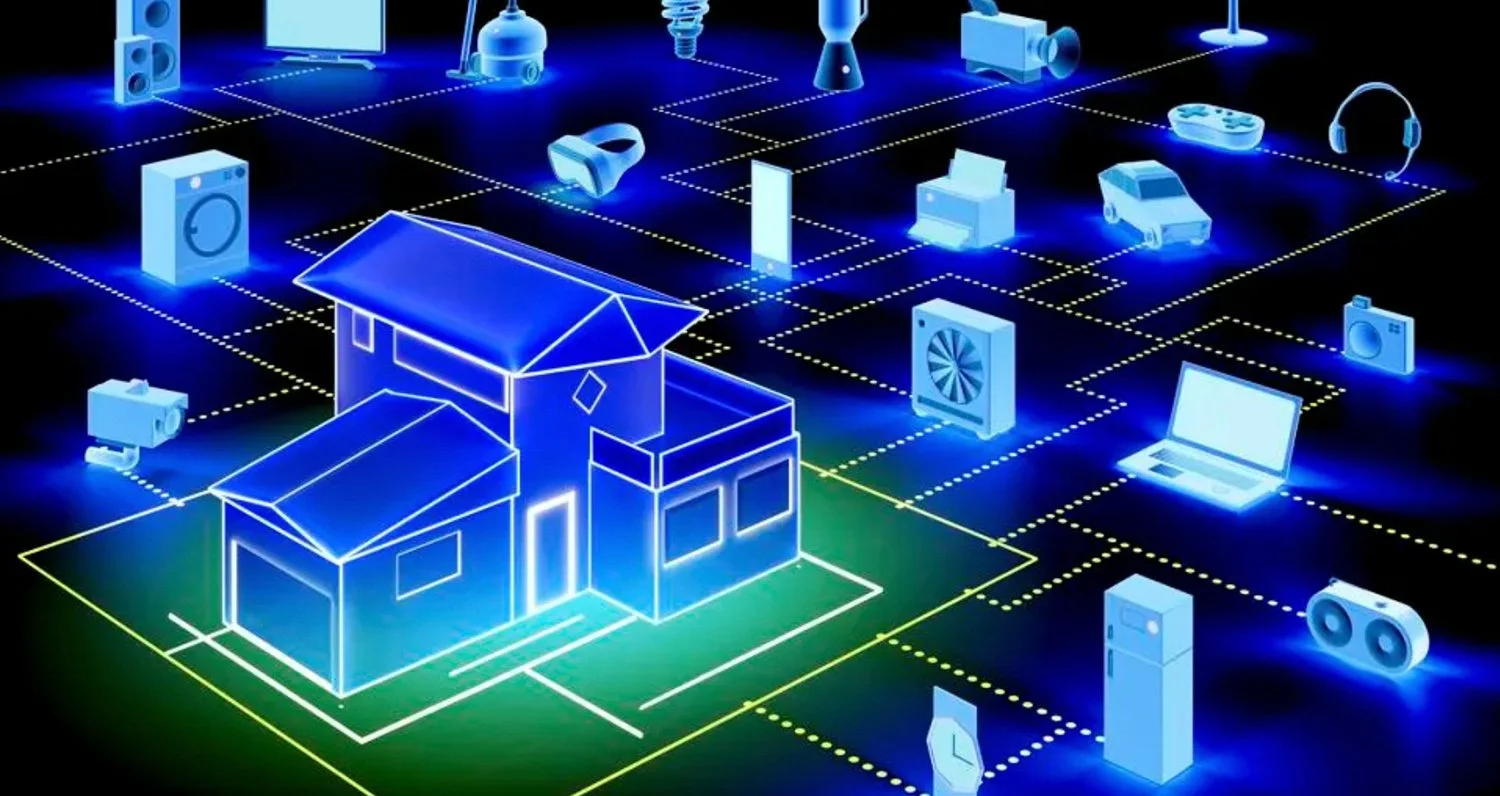
Low-cost IoT sensors measuring temperature, sound, CO₂ and light now feed real-time data into cloud-based models that analyse space performance. These models issue recommendations such as:
Encouraging focus work in low-noise zones
Consolidating teams to reduce energy use on sparsely occupied levels
Automatically shutting down underused floors during weather shifts
Small adjustments can yield substantial financial gains. Tradeline references U.S. Energy Information Administration data placing average office-energy costs at US$1.51 per square foot annually, revealing how incremental improvements compound across large real-estate portfolios.
Dynamic Restacking and Emerging Generative-AI Interfaces
AI is also influencing space planning. “Dynamic restacking”, where seating and space layouts are digitally reconfigured based on projected usage patterns, enables organisations to adapt quickly to hybrid work fluctuations.
Johnson Controls’ 2023 acquisition of FM:Systems has strengthened its workplace-management capabilities. FM:Systems’ IWMS platform now incorporates a generative-AI natural-language interface that allows facility teams to ask questions, such as how to improve space utilisation or strengthen energy performance, and receive structured recommendations and diagnostics.
Separately, Johnson Controls has introduced a new Metasys version in which embedded AI can diagnose and repair common HVAC faults autonomously, while still requiring human oversight for context-sensitive decisions (for example, avoiding unnecessary heating during hot weather in regions like Phoenix).

























Broader Implications for Cities and Sustainability
The benefits of AI-driven facility management extend beyond individual buildings. Identifying low-utilisation zones and temporarily shutting them down reduces energy waste and extends the lifespan of mechanical systems.
Health and productivity improvements also emerge from continuous air-quality monitoring, which supports better ventilation, the subject of extensive research linking improved indoor air quality with sharper cognitive performance and reduced absenteeism.
At a broader level, increasingly adaptive AI-managed buildings contribute to urban resilience. Early deployments and pilot programs show systems that can adjust power draw, respond to extreme weather alerts, and manage internal flows with limited manual intervention. As these capabilities mature, they could support more stable load profiles across districts and campuses.
However, challenges persist. Expanding IoT networks raises data-privacy considerations, while organisations slower to integrate AI may struggle to match the operational efficiencies of early adopters. Tradeline notes that internal developer “hackathons”, two-day rapid-prototype events, are accelerating innovation and widening competitive gaps among vendors.


















A Horizon of Autonomous Buildings
Tradeline’s contributors anticipate that early autonomous buildings, capable of learning from occupants, self-optimising systems, and autonomously adapting space usage, may begin emerging by around 2030. This outlook aligns with the long-term roadmaps of major industry leaders, including Johnson Controls and workplace-sensor innovators.
In these models, buildings act almost as collaborative partners, refining their performance through continuous feedback while preserving human oversight and adhering to responsible-AI principles. Observers suggest that widespread use of such systems could meaningfully accelerate progress toward net-zero carbon goals, particularly across large corporate campuses and city precincts.
For Australian developers facing hybrid-work uncertainty and tightening energy-efficiency requirements, the trend is unmistakable: integrating AI into building operations is no longer a future luxury, it is becoming a critical foundation for resilience, compliance and long-term sustainability.































 TheDayAfterAI News
We are a leading AI-focused digital news platform, combining AI-generated reporting with human editorial oversight. By aggregating and synthesizing the latest developments in AI — spanning innovation, technology, ethics, policy and business — we deliver timely, accurate and thought-provoking content.