
Bloomberg Integrates 50B-Parameter BloombergGPT Into Terminal for Faster Financial Insight
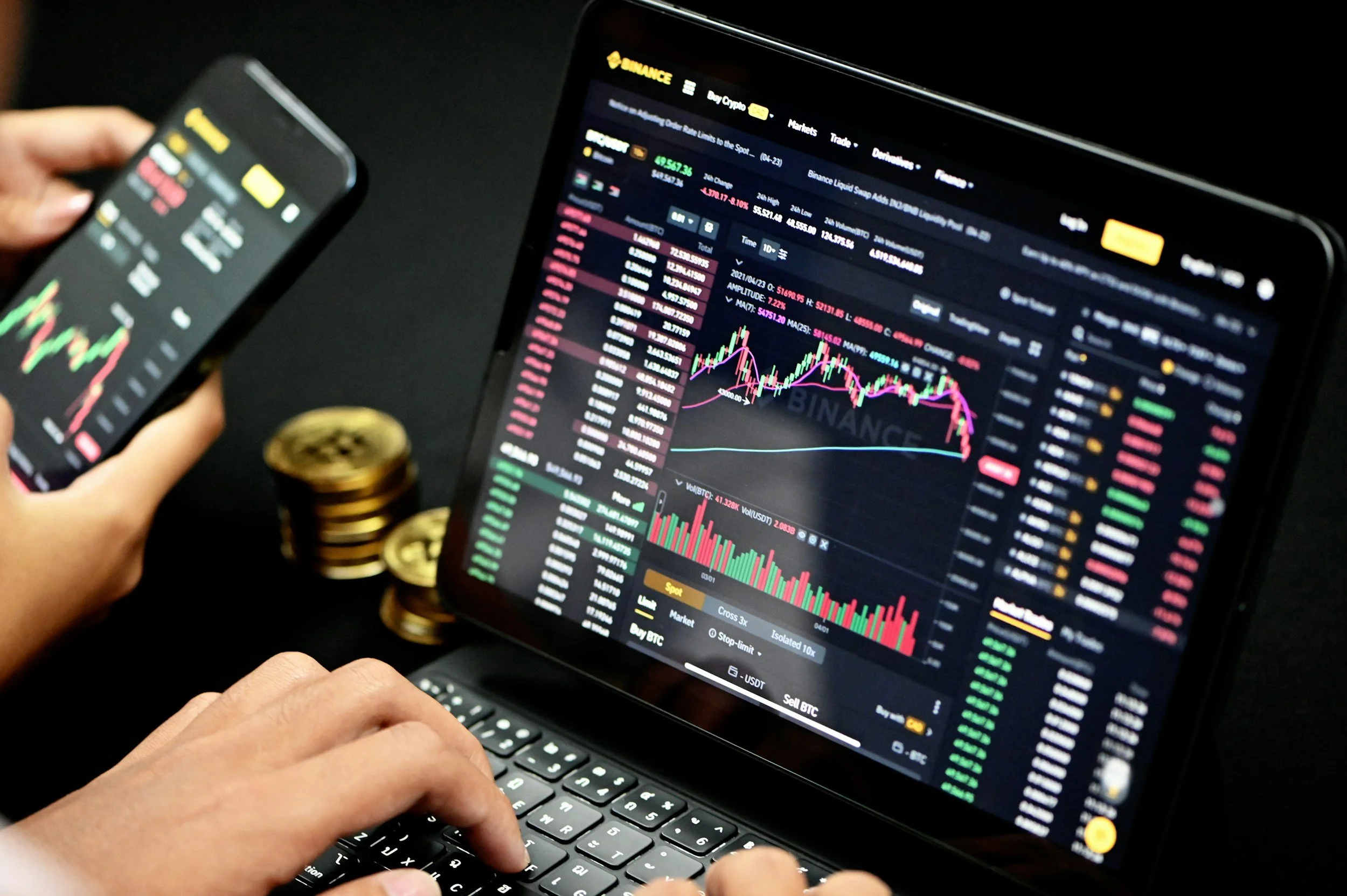
Image Credit: Kanchanara | Splash
Bloomberg has integrated its proprietary BloombergGPT large language model into the Terminal platform to improve financial services, adding tools for natural language search, news summarisation and support for risk assessment through data insights, based on company releases and sector reports.
This expansion, following the 2023 introduction of BloombergGPT, responds to rising needs for efficient AI tools in finance.
























Background on BloombergGPT Development
BloombergGPT, a 50 billion parameter model designed for finance, debuted on March 30, 2023, according to Bloomberg announcements. Built internally by the firms AI team, it drew from over 700 billion tokens, with 363 billion from Bloombergs exclusive financial data covering more than 40 years, plus open sources.
This specialised training overcame shortcomings in broad models like OpenAIs GPT lineup, which struggle with finance tasks due to limited domain knowledge. The project aimed to advance natural language processing for sentiment analysis, entity recognition and queries, as described in a research paper on arXiv.
It mirrored industry shifts after ChatGPTs 2022 emergence, prompting financial entities to develop custom AI for better precision in market data handling.


























Implementation and Key Features
The rollout of BloombergGPT powered tools started in early 2024. On January 22, 2024, AI Powered Earnings Call Summaries launched, offering automated overviews and analysis of corporate calls to aid quick reviews.
By January 15, 2025, AI Powered News Summaries arrived, delivering three bullet point highlights atop articles for faster grasp of essentials, refined via expert feedback to help users spot pertinent stories.
In June 2025, specifically on the 16th, Bloomberg unveiled Document Search and Analysis, slated for complete rollout by years end. This enables natural language queries over more than 400 million documents, encompassing filings, transcripts and reports from internal and external origins.
Professionals can refine searches through conversation, perform parallel comparisons and generate initial insights, cutting down on time for concept development. Though not branded as a risk analysis tool, its ability to highlight trends and metrics can assist in risk evaluation, consistent with BloombergGPTs broader goals like market sentiment and updates, per industry commentary.
These integrate with Terminal components such as chat functions for teamwork and research management for streamlined processes.


























Reasons Behind the AI Push
Bloombergs AI focus arises from the push to stay ahead in a field swamped by data, where swift accuracy shapes outcomes. Traditional methods often lag in sifting vast info volumes.
Using BloombergGPT turns raw data into useful intelligence, allowing quicker reactions to market changes. This fits a wider trend, with peers like JPMorgan and Goldman Sachs pursuing akin tech for operations.
The firms unique data edge lets the model excel on finance tests, thanks to its tailored training.























Impacts on Compliance, Security and Efficiency
The tools can aid compliance by speeding up checks of documents and filings, potentially supporting adherence to regulatory norms, though Bloomberg does not directly tie them to specific areas like anti money laundering or fiduciary responsibilities in public materials.
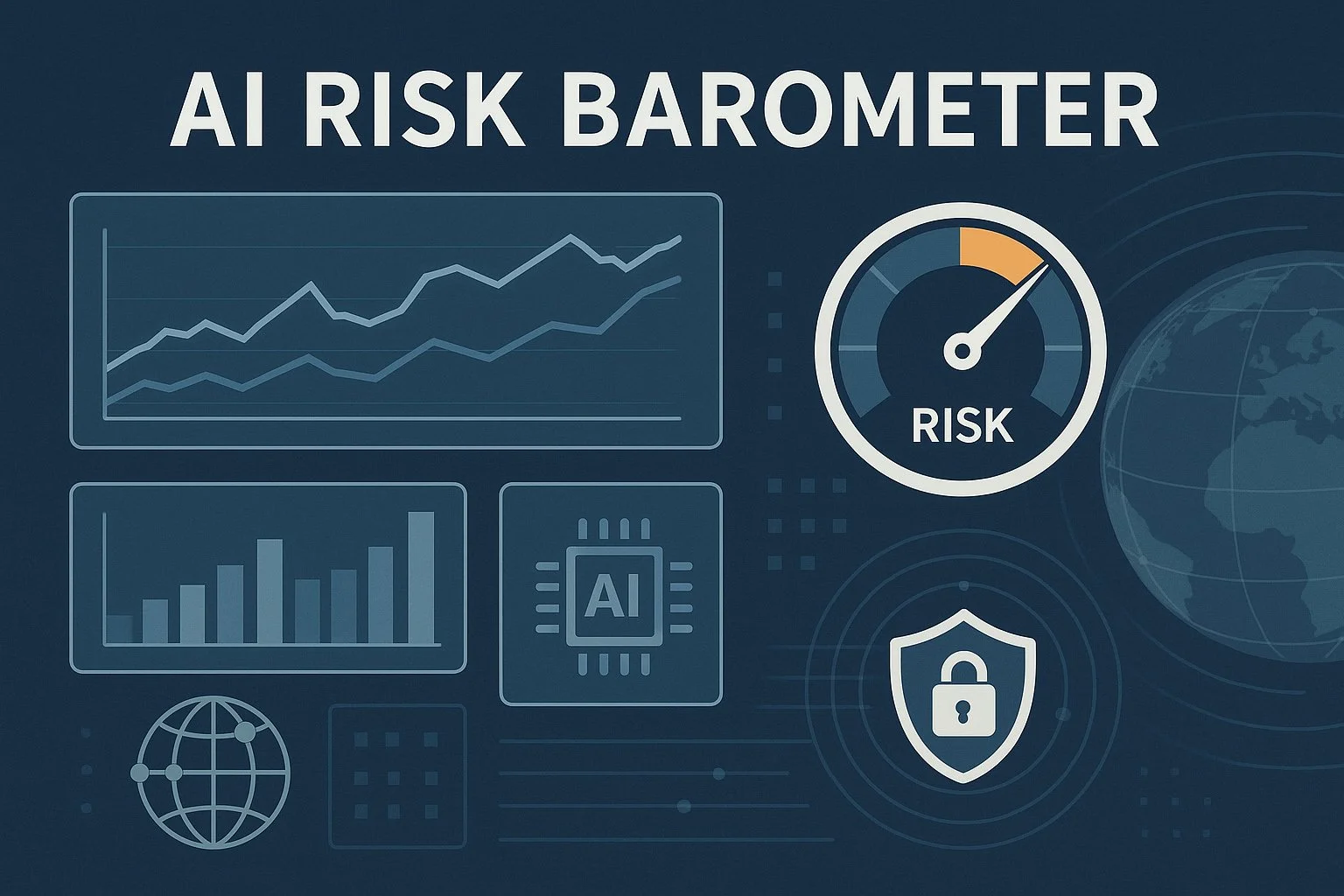
For security, the platform prioritises data protection with measures to curb unauthorised leaks of sensitive info, including material non public details or personal identifiers. An April 2025 Bloomberg report on generative AI risks in finance details countermeasures like layered safeguards, prompt controls and ongoing oversight to tackle bias, false info and injection threats.
These steps seek to fill gaps in AI use, fostering reliable results in critical settings.
On efficiency, the features trim research from hours to minutes, helping analysts and managers craft ideas and decide faster. Early users, such as Schroders and Mizuho, noted better flows and richer views in shared responses.




























Future Trends in AI for Finance
AI embedding in financial systems is likely to grow, blending specialised and general models. Yet, issues around ethics, privacy and oversight will guide paths.
Bloombergs method, with emphasis on vetted AI and risk handling, offers a model for careful rollout. Experts foresee progress in forecasts and tailored advice, but caution against heavy dependence on AI.
With shifting rules, like the US Securities and Exchange Commissions 2023 proposals on predictive data analytics for AI conflicts, withdrawn in June 2025, firms face ongoing enforcement on AI disclosures to weigh progress against responsibility for lasting confidence.











































 TheDayAfterAI News
We are a leading AI-focused digital news platform, combining AI-generated reporting with human editorial oversight. By aggregating and synthesizing the latest developments in AI — spanning innovation, technology, ethics, policy and business — we deliver timely, accurate and thought-provoking content.