
Generative AI Threatens Africa’s 2025 Elections: Experts Warn of Propaganda Surge
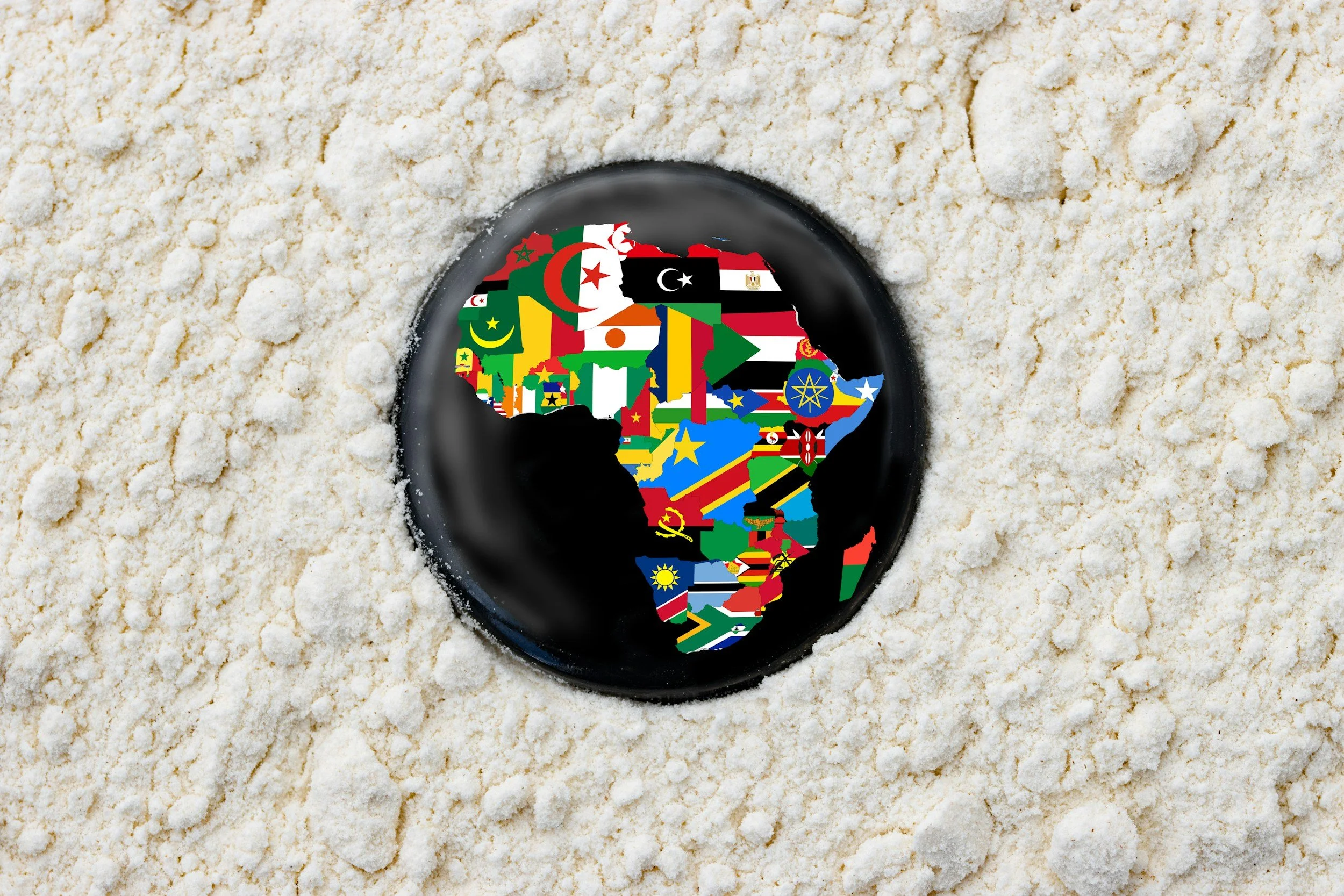
Image Credit: Marek Studzinski | Splash
As African nations gear up for at least 15 national elections in 2025, experts are raising concerns about how easily accessible generative artificial intelligence tools might boost propaganda efforts and challenge democratic stability on the continent.





























Background on AI's Emergence in African Politics
Generative AI, encompassing systems that create text, images, audio and video from prompts, has surged in use worldwide since late 2022 with platforms like ChatGPT gaining traction. In Africa, this rise aligns with a packed electoral schedule. After around 18 elections in 2024, nations including Nigeria, South Africa, Senegal, Gabon and Burkina Faso have seen cases of manipulated content stirring public opinion. The region's exposure arises from patchy social media oversight, often prioritising major languages and overlooking local nuances. Studies show nearly 60 percent of disinformation drives aimed at Africa come from outside players like Russia, China and the United Arab Emirates, with West Africa bearing the brunt. This overseas meddling has adapted to AI, enabling faster, broader crafting of misleading items that circulate through apps such as WhatsApp, TikTok and Facebook.



























Development of AI Threats in Recent Elections
AI-linked hazards gained prominence during Nigeria's 2023 presidential poll, seen as an early peak of such tactics in Africa. Misleading endorsements from global figures and local leaders proliferated online, alongside disputed audio suggesting candidates schemed to tamper with outcomes, though not all were verified as AI-made. In South Africa's 2024 parliamentary contest, anticipated spikes in generative AI content fell short of fears, yet instances emerged, including a deepfake clip of US President Joe Biden threatening penalties if the African National Congress held on, and another portraying Donald Trump endorsing the uMkhonto we Sizwe party. Outside voting cycles, manipulated videos influenced turmoil, like a 2018 recording of Gabon's President Ali Bongo that prompted suspicions of being a deepfake due to his stiff demeanour, fueling health rumours and aiding a botched coup in 2019. Post Burkina Faso's 2022 coup, AI-fabricated videos using software like Synthesia showed US-based Pan-Africanists endorsing the junta, gaining traction amid authenticity doubts. These episodes reveal how AI reduces hurdles for audiovisual deceit, often outpacing conventional verification because of its pace and lifelike quality.























Impacts on Voter Trust and Electoral Integrity
These distortions pose real risks to democratic health, chiefly by breeding scepticism among electors and weakening institutional confidence. In volatile spots like the Democratic Republic of Congo, online disinformation — bolstered by nascent AI — has heightened strains between state troops and insurgents, overwhelming networks to mute dissent. Wider repercussions involve dampened public involvement, as people grapple with spotting credible data, which could mean fewer votes or biased choices. Observers point out this trust decline aggravates ongoing issues like vote rigging and web blackouts during ballots, creating grounds for discord or power grabs. Where internet reach is spotty, off-platform sharing via messengers amplifies spread, complicating fixes.


























Expert Warnings and Analysis
Chinasa T Okolo, a fellow at the Brookings Institution's Center for Technology Innovation focused on AI governance, stresses the need for protections, noting inaction's toll — spanning democratic backsliding to unrest — surpasses safeguard costs. Hendrik Sittig of the Konrad Adenauer Foundation's sub-Saharan Africa media arm cautions that AI allows bedroom-based deepfake and cheap fake production, foreseeing amplified dangers as tech evolves. Karen Allen from South Africa's Institute for Security Studies and Christopher Nehring of a German cyberintelligence body, via a shared report, reveal these instruments seek to undermine poll authorities and fracture communities, drawing likenesses between African and European scenarios. At the International Institute for Democracy and Electoral Assistance, Therese Pearce Laanela pushes for sturdy frameworks, while Olufunto Akinduro urges cross-border teamwork to shield info spaces akin to guarding vote setups. Such insights highlight AI's influence stretches past single events, risking shifts in political arenas without curbs.






















Calls for International Cooperation
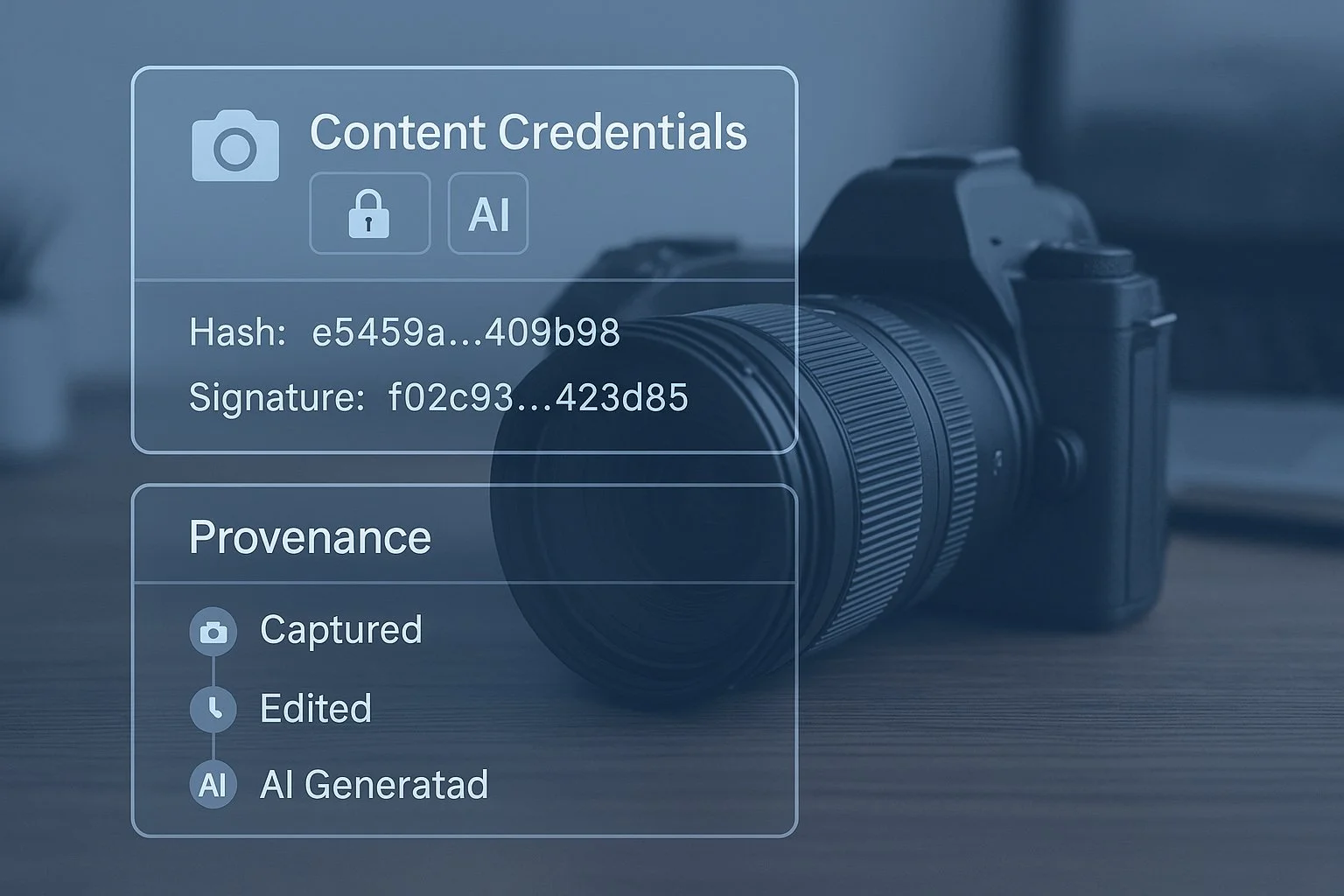
Tackling these issues demands efforts crossing frontiers, per specialists. Ideas encompass Africa-wide AI rules via the African Union and blocs like the Economic Community of West African States, emphasising intel exchange and countermeasures. Fifteen African states have ratified the AU's Malabo Convention on cybersecurity and data safety, exposing shortfalls that global ties might fill. Verification hubs like Africa Check, alongside Dubawa and PesaCheck, push for AI-aided spotting tools suited to African tongues and settings, plus awareness drives. Worldwide tech outfits face calls to bolster checks, with steps like content stamps and share caps proving useful, though evasion persists. Wider links with NGOs, scholars and services are viewed as key to promoting ethical AI that aids democracy




















Future Trends and Outlook
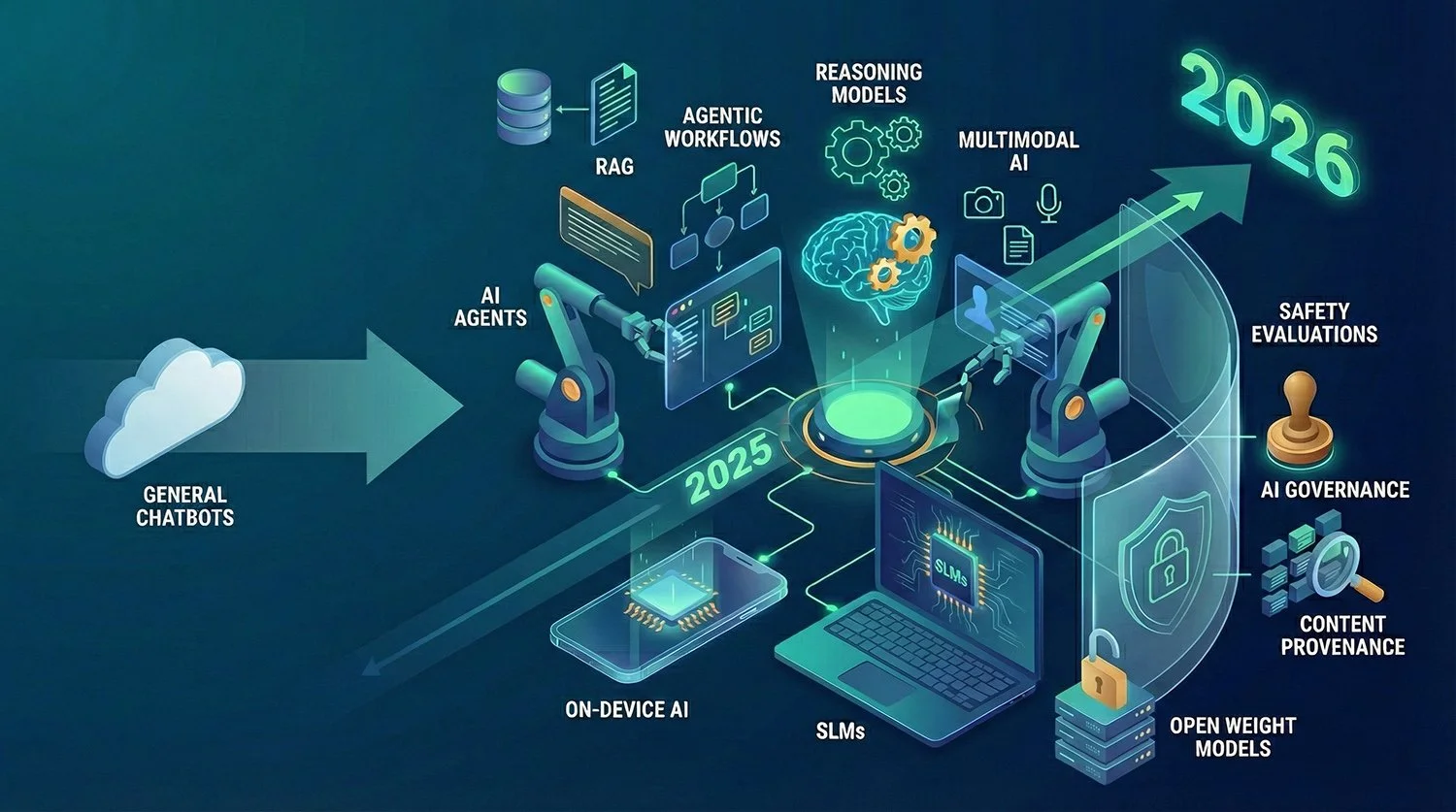
Ahead, patterns suggest ramped-up perils as AI systems advance, possibly merging with cutting-edge video creation. With votes looming in places like Tanzania, Malawi, Cameroon, Cote d'Ivoire and Gabon, early actions could benchmark worldwide replies, considering Africa's spot in probing digital toughness. Directions hint at rule-based setups, with Africa drawing from Europe's data shields while tailoring to home contexts. Outcomes depend on meshing progress with watchfulness, assuring AI bolsters democratic aims in continuing international talks on oversight






































 TheDayAfterAI News
We are a leading AI-focused digital news platform, combining AI-generated reporting with human editorial oversight. By aggregating and synthesizing the latest developments in AI — spanning innovation, technology, ethics, policy and business — we deliver timely, accurate and thought-provoking content.