
Manus AI Relocates to Singapore, Cuts China Staff Amid U.S. Tech Tensions

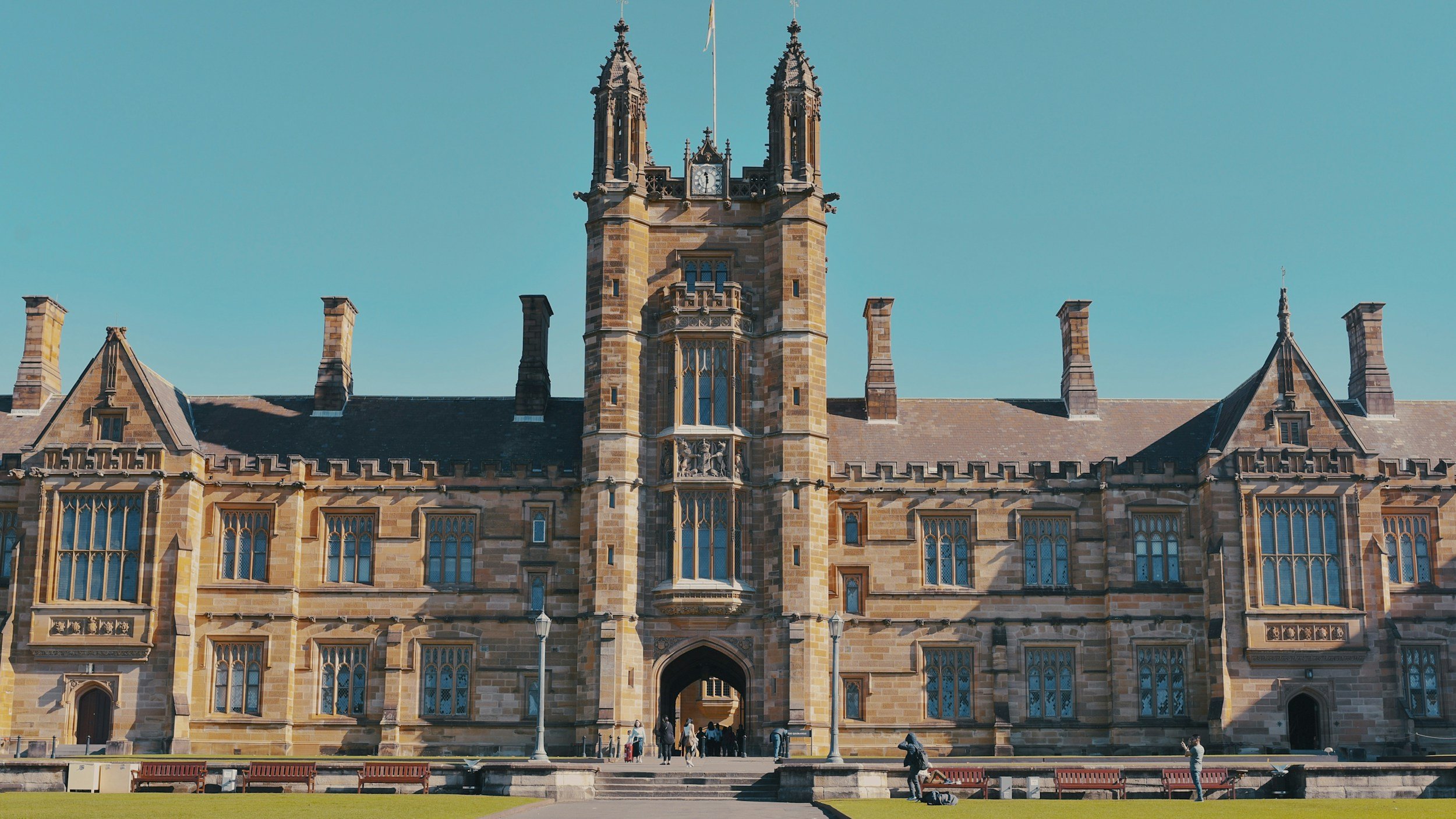
Image Credit: BoliviaInteligente | Splash
Manus AI, a Chinese artificial intelligence startup, has relocated its global headquarters from Beijing to Singapore and laid off a significant portion of its China-based staff, according to company statements and industry reports. The move, announced in June 2025, reflects strategic responses to U.S.-China tech tensions, including export controls on advanced semiconductors and scrutiny of investments in Chinese AI firms.






















Company Background and Initial Growth
Manus AI, developed by Butterfly Effect Technology Co., Ltd., was founded in 2022 by Xiao Hong, also referred to as Red Xiao Hong in some sources, with Yubo Song occasionally cited as CEO in Western media. The startup launched its general-purpose AI agent in March 2025 on an invite-only basis, designed for tasks like resume screening, stock analysis, and travel planning, distinguishing it from conversational chatbots. Industry reports estimated monthly active users at approximately 20 million in March, declining to around 10 million by May, though these figures lack official confirmation and reflect competitive pressures from firms like ByteDance and Baidu. In May 2025, Manus secured a US$75 million Series B funding round led by Benchmark Capital, valuing it at nearly US$500 million, now under U.S. Treasury review due to restrictions on AI investments in China.
























Relocation Announcement and Rationale
On June 18, 2025, co-founder and chief product officer Zhang Tao announced the headquarters relocation to Singapore during a keynote at the SuperAI conference. The company’s website now lists Singapore as its global base, with additional offices in other locations. Manus cited operational efficiency and business growth as key drivers. Analysts point to U.S. export controls on advanced chips as a factor, though Manus stated it does not heavily rely on such hardware for its AI agent, which focuses on task automation rather than large language model development. Singapore’s neutral regulatory environment and status as a tech hub, with a 45% year-on-year surge in AI investment in 2024, make it attractive for Chinese firms navigating geopolitical challenges.
























Workforce Adjustments and Hiring Efforts
In July 2025, Manus laid off dozens of its roughly 120 China-based employees, primarily in Beijing and Wuhan, offering severance packages to those affected. Over 40 core technical staff were relocated to Singapore. The company has suspended its service in mainland China, with its website stating, “Manus is not available in your region”, and has cleared its accounts on platforms like Weibo and Xiaohongshu. In Singapore, Manus is recruiting for over 20 roles, including AI engineers and data analysts, with salaries listed at S$8,000 to S$16,000 monthly (approximately $5,900–$11,800 USD at current exchange rates). Hiring is also underway in San Mateo, California, and Tokyo, signalling a global expansion.
















Broader Geopolitical and Market Context
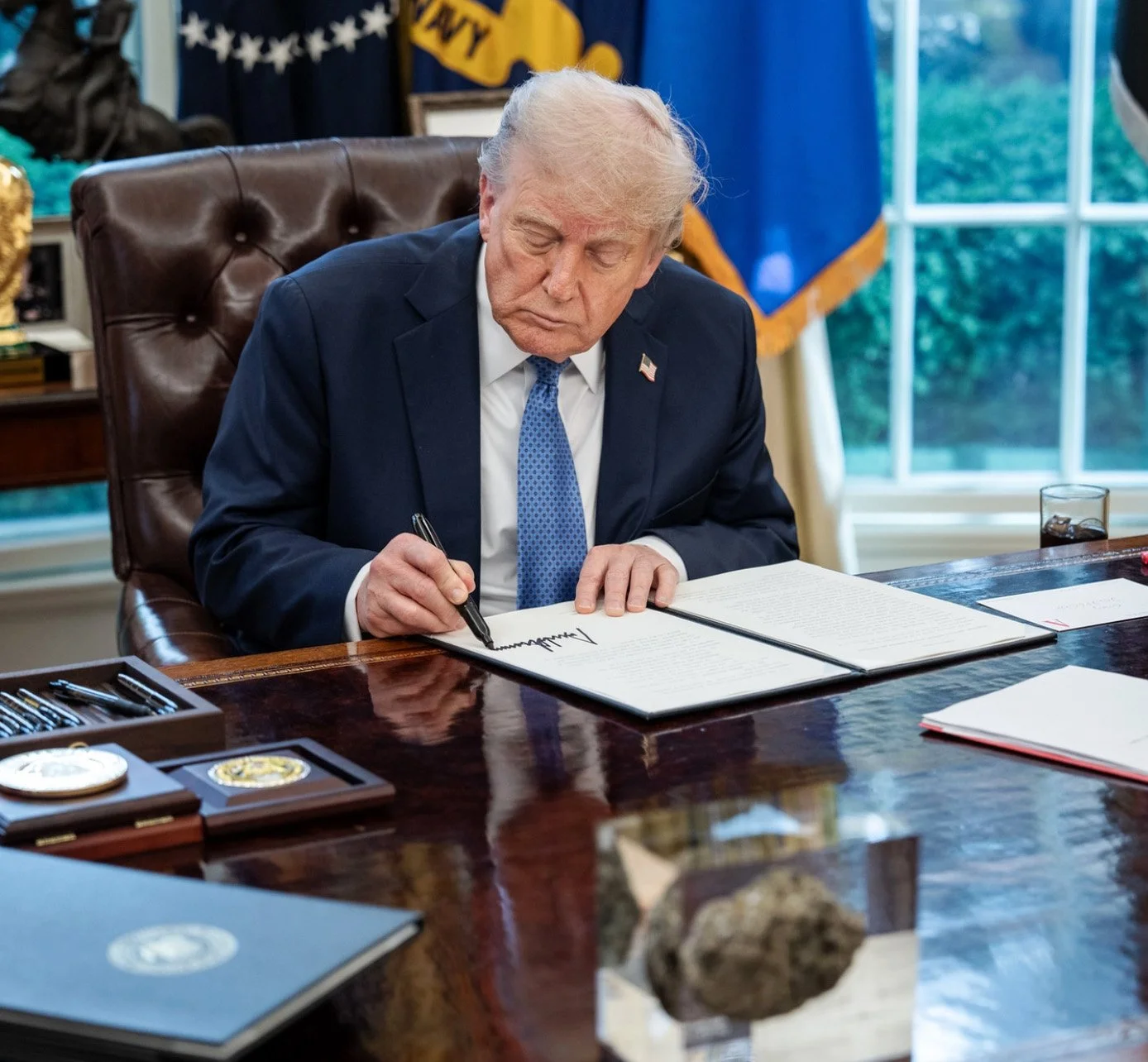
The relocation aligns with strategic moves by other Chinese-origin tech firms, such as HeyGen's relocation to Los Angeles and Genspark.AI's establishment in the U.S., to navigate U.S. restrictions, including outbound investment rules finalized in October 2024 (stemming from a 2023 executive order and effective January 2025) that limit AI-related investments in China. Singapore, hosting operations for companies like Shein and TikTok, offers a neutral base amid these tensions. However, Manus faces domestic competition from ByteDance’s Coze Space and Baidu’s AgentBuilder, which continue to advance AI agent capabilities.



























Advantages and Challenges of the Move
Singapore’s global connectivity could facilitate partnerships with platforms like OpenAI’s ChatGPT and attract Western investors wary of Chinese-based firms. The city’s robust AI ecosystem supports Manus’s growth ambitions.
However, layoffs and the service halt in China may harm Manus’s reputation domestically, while U.S. scrutiny of its funding poses risks. Ceding China’s market to competitors could weaken its long-term position.
Manus’s relocation reflects the challenges Chinese AI startups face in balancing innovation with geopolitical constraints. As AI agents gain prominence, Singapore’s role as a tech hub may grow, though it must address infrastructure demands. Manus’s experience highlights the trade-offs of global expansion, with implications for talent retention, market strategy, and regulatory compliance in the evolving AI landscape.



























Source: Source: NPR, Bloomberg, The New York Times, Financial Times, Tom’s Hardware, Reuters, CNN, Yahoo! News, The Economic Times











 TheDayAfterAI News
We are a leading AI-focused digital news platform, combining AI-generated reporting with human editorial oversight. By aggregating and synthesizing the latest developments in AI — spanning innovation, technology, ethics, policy and business — we deliver timely, accurate and thought-provoking content.