
OpenAI Introduces ChatGPT Study Mode to Promote Active Learning and Responsible AI Use
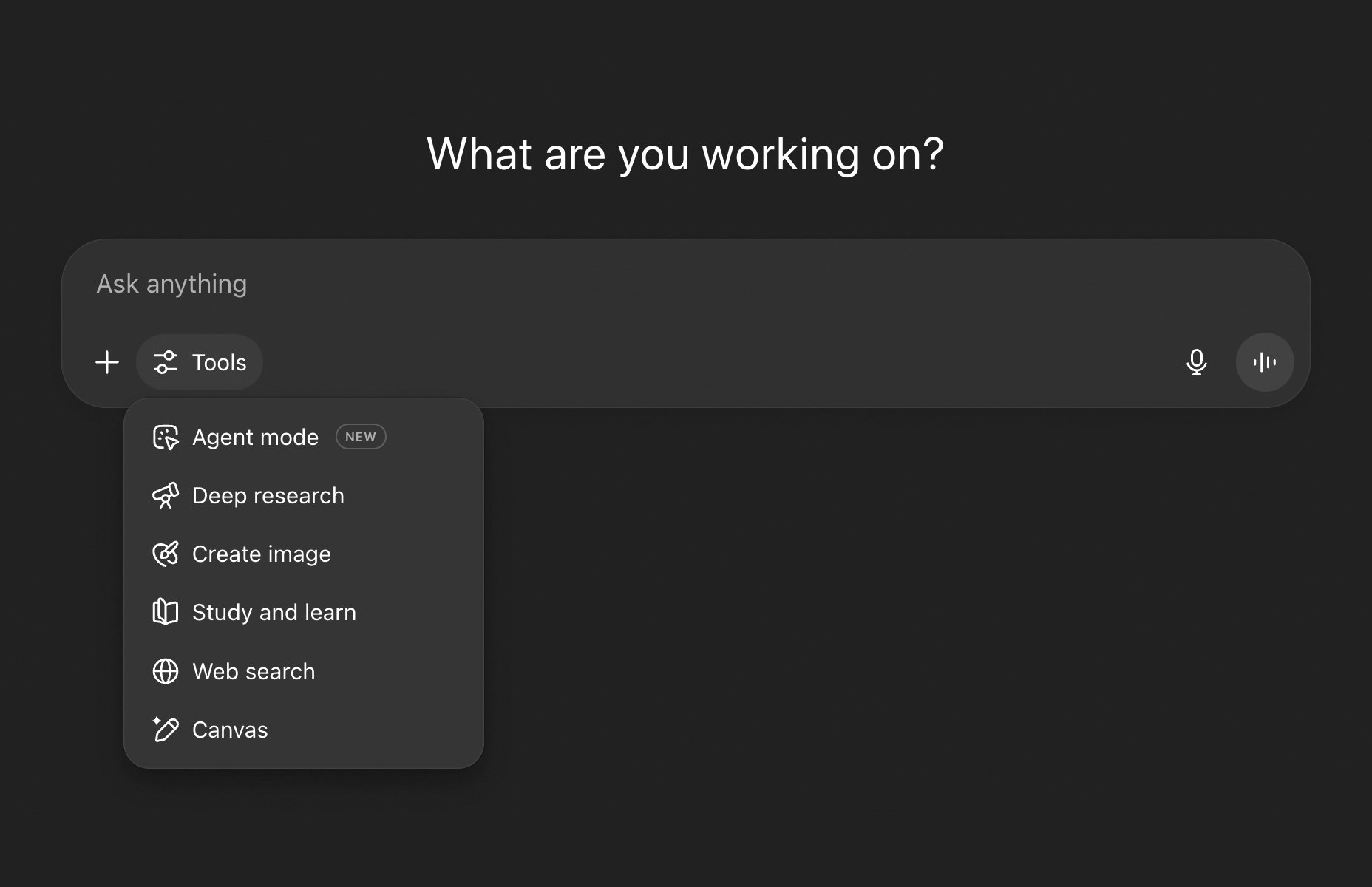
Image Credit: BoliviaInteligente | Splash
OpenAI has rolled out a new feature in its ChatGPT artificial intelligence chatbot called study mode, designed to assist users in building deeper understanding of topics through guided interactions rather than direct answers, amid ongoing debates about AI's role in education.
The feature, officially introduced on July 29, 2025, is part of OpenAI's efforts to promote responsible use of AI tools in academic settings, where concerns about cheating and over-reliance have grown.

























What is Study Mode?
Study mode functions as an interactive learning tool within ChatGPT, employing techniques such as Socratic questioning to probe users' existing knowledge and objectives before providing step-by-step guidance. It breaks down complex concepts into smaller, digestible parts, offers hints for independent problem-solving, and includes knowledge checks to reinforce comprehension.
Developed in collaboration with educators, cognitive scientists, and pedagogy specialists from institutions worldwide, the mode draws on established learning principles to encourage active engagement and self-reflection. OpenAI highlights its utility for homework assistance, exam preparation, and exploring new subjects, noting that college students represent a key demographic for educational content on the platform, with early feedback from participants in its ChatGPT Lab program.


























How It Works
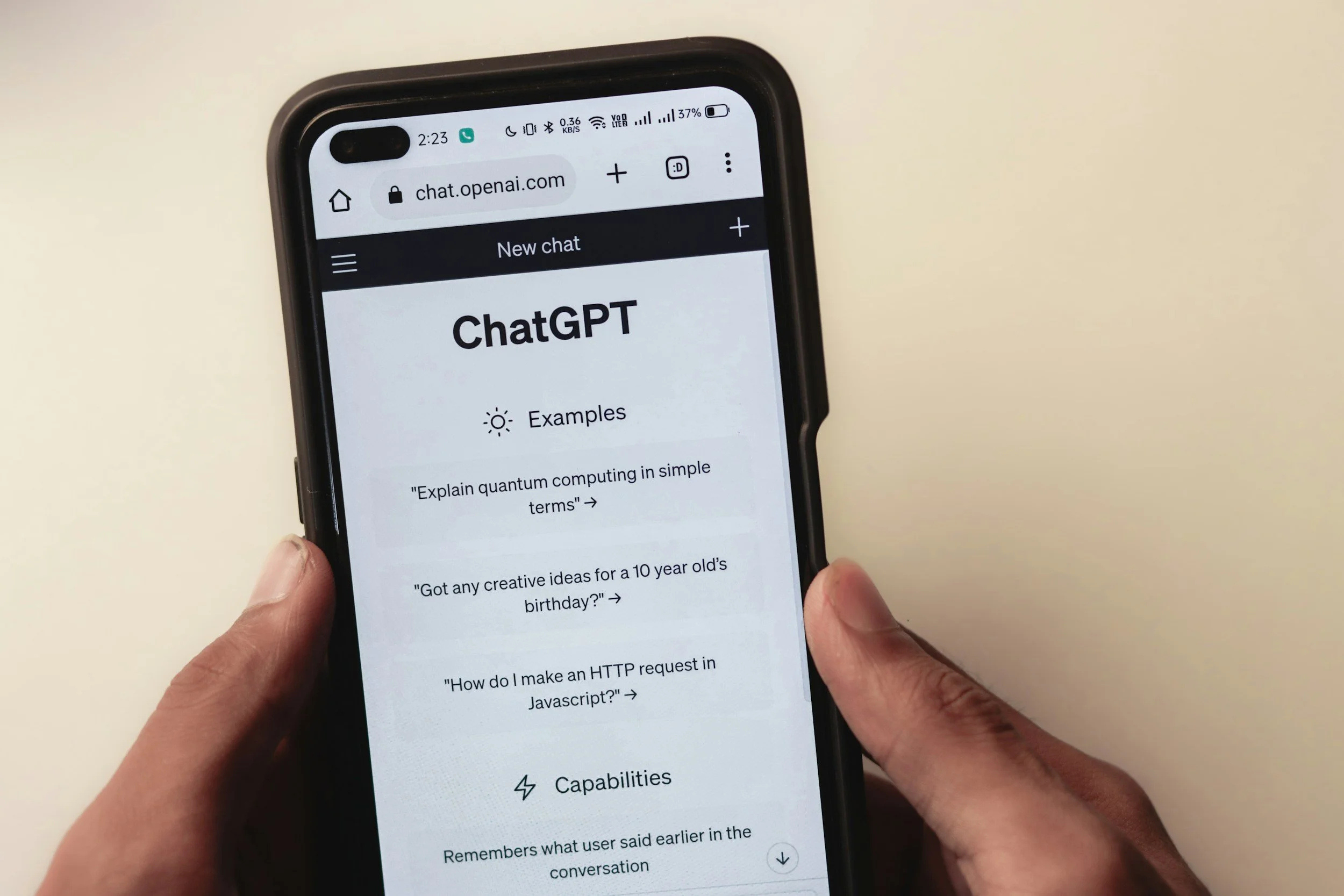
To activate study mode, users select the "Study and learn" option from the tools menu in the ChatGPT interface and input a query. The system begins by asking about the user's familiarity with the topic and learning goals, then adapts responses based on the interaction and, if enabled, conversation history.
For example, when explaining a concept like Bayes' theorem, it assesses the user's math comfort level before delivering structured explanations. Users can deactivate the mode during a session for immediate answers and upload supporting materials, such as images of exam questions. It supports voice input and operates across web, mobile, and desktop platforms.























Background and Reasons for Development
The introduction follows increased scrutiny of AI in education, with tools like ChatGPT linked to rising academic misconduct. In the UK, universities recorded nearly 7,000 confirmed AI-related cheating cases in the 2023-24 academic year, up from previous periods.
OpenAI aimed to shift the focus from quick solutions to meaningful learning, responding to educator feedback and research showing potential benefits when AI acts as a tutor. Leah Belsky, OpenAI's vice president of education, emphasized its goal to support critical thinking and curiosity. This builds on prior initiatives like ChatGPT Edu for institutions, as AI adoption in schools accelerates ahead of the new academic year.


























Availability and Rollout
Study mode is accessible to logged-in users on ChatGPT's Free, Plus, Pro, and Team plans worldwide, with the same age requirements—13 years and older, with parental consent for minors under 18. It will be extended to ChatGPT Edu subscribers in the coming weeks.
Currently powered by custom system instructions on existing models, it allows for rapid iterations but may exhibit occasional inconsistencies.


























Impact on Education
By serving as a virtual tutor, study mode could broaden access to personalized instruction, potentially aiding underserved students in K-12 and higher education. Early testers, including college students from institutions such as Princeton University, the University of Pennsylvania's Wharton School, and the University of Minnesota, reported improved engagement and confidence in learning.
However, educators note limitations, such as the risk of AI-generated inaccuracies misleading users and uncertainties regarding its effectiveness for all age groups. On integrity, while it discourages direct copying, the option to switch modes highlights the ongoing need for revised assessments and clear AI usage policies.
























Gains and Trade-offs
Benefits include adaptive personalization to individual learning paces, reduced information overload through structured content, and features like quizzes that provide basic progress feedback and enhance retention. Users have found it motivating and effective for building skills.
Drawbacks involve the potential for hallucinations from the model's training data, limited safeguards against circumvention, and dependence on user initiative for optimal results.



























Future Trends
OpenAI intends to embed study mode behaviors into its core models, incorporating feedback to add enhancements like visualizations, advanced progress tracking across conversations, and customized learning paths. The company plans to share research on AI's educational outcomes and partner on ethical frameworks.
This development aligns with industry trends toward AI applications in education, weighing advancements against the need for safeguards in a rapidly evolving landscape.




































 TheDayAfterAI News
We are a leading AI-focused digital news platform, combining AI-generated reporting with human editorial oversight. By aggregating and synthesizing the latest developments in AI — spanning innovation, technology, ethics, policy and business — we deliver timely, accurate and thought-provoking content.