
CareDx Validates AI Kidney Rejection Tool After 2,700+ Biopsy Study at 2025 Congress
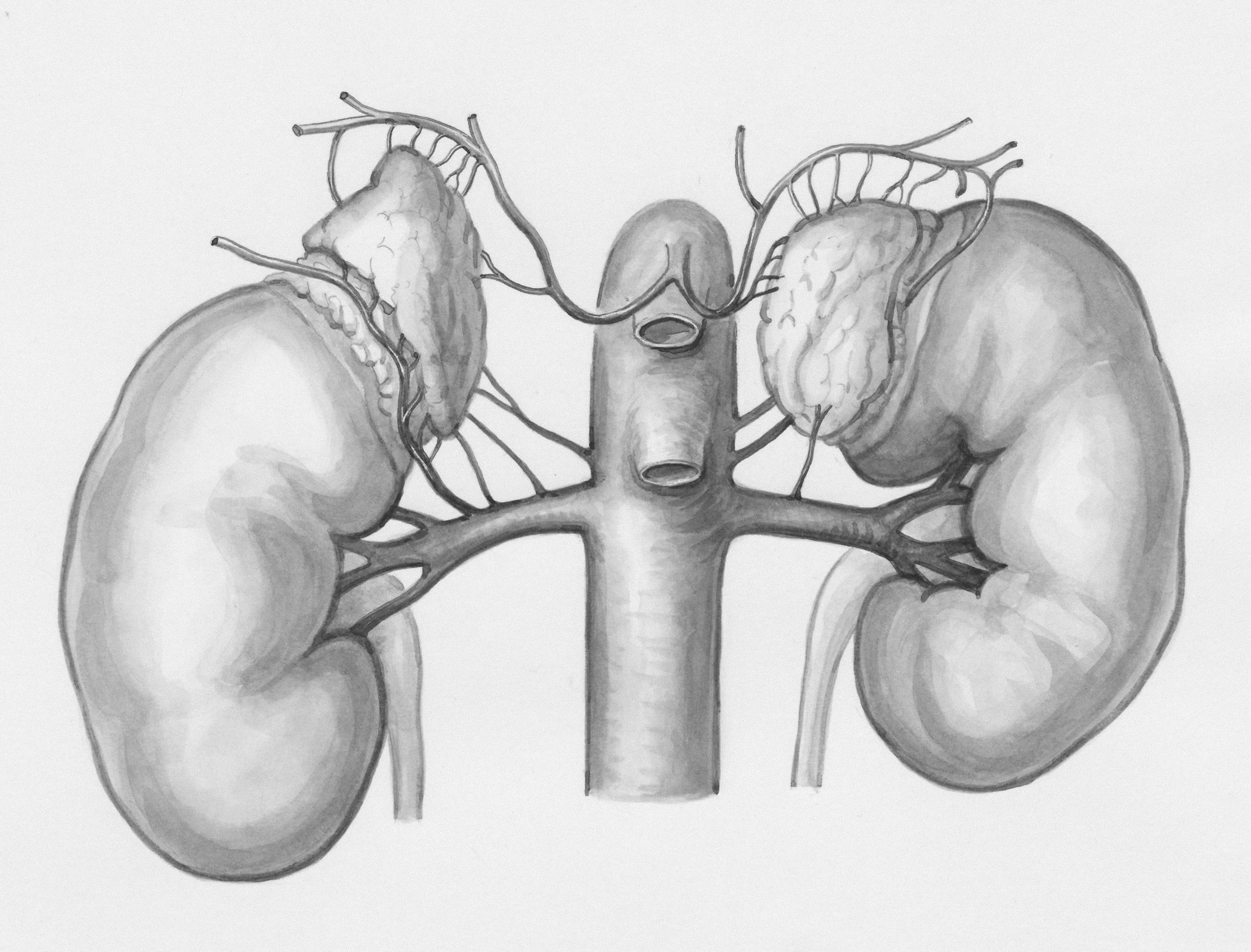
Image Credit: Europeana | Splash
CareDx Inc, a precision medicine company based in Brisbane, California, announced on July 31, 2025, the validation of AlloSure Plus, an artificial intelligence-driven diagnostic tool that assesses rejection risks in kidney transplant recipients by combining donor-derived cell-free DNA (dd-cfDNA) data from its AlloSure Kidney test with clinical variables.
The tool was featured in over 40 abstracts and 16 oral presentations at the 2025 World Transplant Congress, held August 2 to 6 at the Moscone Center in San Francisco, California. Developed by CareDx in collaboration with the Paris Transplant Group, AlloSure Plus addresses post-transplant monitoring challenges, where invasive biopsies can overlook early immune damage due to their procedural risks and intermittent nature.



























Background on Kidney Transplant Monitoring
Kidney transplantation is the preferred treatment for end-stage renal disease, with approximately 100,000 procedures conducted globally each year, based on data from the Global Observatory on Donation and Transplantation. Acute rejection impacts 7% to 15% of recipients in the first year post-transplant, primarily due to the immune system's response to the donor organ, contributing to graft loss rates of around 20% within five years. These outcomes arise from limitations in pre-transplant matching and the reliance on biopsies, which involve risks such as bleeding and infection and offer only periodic assessments rather than ongoing surveillance.
CareDx's work on AlloSure Plus extends from earlier non-invasive biomarker developments. The company introduced dd-cfDNA testing via AlloSure Kidney in 2017, a blood test that detects elevated donor DNA levels as an indicator of graft injury from immune activity. In March 2025, CareDx expanded AlloSure indications to include surveillance monitoring in pediatric heart transplant patients of all ages and detection in simultaneous pancreas-kidney recipients, following supportive clinical studies. These steps have supported the incorporation of AI to enhance predictive accuracy.






















Technical Details and Validation Studies
AlloSure Plus uses machine learning to analyze dd-cfDNA results from AlloSure Kidney alongside clinical data, including estimated glomerular filtration rate, creatinine, proteinuria, donor-specific antibodies, and rejection history, to produce a personalized rejection risk score. The score aligns with the Banff 2022 Classification for kidney transplant pathology, which prioritizes microvascular inflammation in diagnosing antibody-mediated rejection.
Validation drew from multiple studies presented at the congress. An international prospective study led by the Paris Transplant Group examined over 2,700 renal biopsies, showing AlloSure Plus improved sensitivity and specificity for rejection detection over dd-cfDNA testing alone. Another analysis of more than 4,100 biopsies demonstrated its capacity to detect immune responses, including cases without donor-specific antibodies.
In the Kidney Outcomes After Renal Transplantation (KOAR) registry, which enrolled 1,743 patients, a subset analysis of 1,258 patients showed elevated dd-cfDNA levels were linked to an 8.166-fold increased risk of graft loss at three years, underscoring the tool's prognostic value when integrated with AI. The AI model processes these inputs to evaluate rejection status, with dd-cfDNA as the primary biomarker for immune activity.
Rollout begins with integration into EPIC Aura electronic health record systems at select sites in the third quarter of 2025, allowing automated delivery of risk scores to clinicians.




























Clinical Applications and Regulatory Context
AlloSure Plus provides rejection risk probabilities to inform immunosuppression management and biopsy decisions, building on dd-cfDNA's role in identifying active rejection types like antibody-mediated and T-cell-mediated. Studies from the KOAR registry, published in the American Journal of Transplantation in August 2025, further validated dd-cfDNA's correlation with rejection severity.
The U.S. Centers for Medicare & Medicaid Services issued a proposed draft local coverage determination in July 2025 affirming coverage for surveillance testing of solid organ transplant rejection, including AlloSure, with comments accepted through August 31, 2025. This affirms existing policy for such testing.
CareDx's second-quarter 2025 financial results, released August 6, 2025, reported AlloSure Kidney testing volumes increased nearly 20% year-over-year, reaching about 49,500 tests overall for the quarter, amid a U.S. kidney transplant waitlist of approximately 92,700 patients.























Ongoing Developments and Challenges
CareDx intends to pursue additional validations using expanded KOAR data and ongoing international prospective studies with the Paris Transplant Group to refine AlloSure Plus for broader applications. The tool's AI framework supports ongoing integration of clinical trends, though challenges include ensuring equitable access in resource-limited areas and establishing uniform risk thresholds across diverse patient groups. Medicare's draft policy review reflects increasing regulatory support for such non-invasive diagnostics in transplant care.





































 TheDayAfterAI News
We are a leading AI-focused digital news platform, combining AI-generated reporting with human editorial oversight. By aggregating and synthesizing the latest developments in AI — spanning innovation, technology, ethics, policy and business — we deliver timely, accurate and thought-provoking content.