
OpenAI Considers Australia for Future AI Data Center in Global Expansion Effort
Image Credit: Jonathan Kemper | Splash
OpenAI, the developer behind ChatGPT, is evaluating Australia as a potential site for advanced AI computing infrastructure. This consideration aligns with the company's broader "OpenAI for Countries" initiative, which seeks to establish AI capabilities in collaboration with national governments.






























Strategic Expansion into Asia-Pacific
As part of its Asia-Pacific outreach, OpenAI's Chief Strategy Officer, Jason Kwon, is visiting several countries, including Australia, to engage with government officials and private sector partners. The discussions focus on developing AI infrastructure and exploring the deployment of OpenAI's technologies within these nations. This initiative reflects OpenAI's commitment to fostering international partnerships and tailoring AI solutions to regional needs.
























Australia's Renewable Energy and Land Resources
Australia's abundant renewable energy resources, particularly in solar and wind, present a significant advantage for hosting energy-intensive AI data centers. Projects like the transformation of the Whyalla Steelworks into a green steel production facility underscore the country's commitment to sustainable industrial practices. Additionally, Australia's vast land availability offers ample space for the development of large-scale data center facilities.


























Infrastructure and Regulatory Considerations
While Australia's potential as an AI hub is promising, several challenges need to be addressed:
Planning and Development Processes: Streamlining planning approvals and infrastructure development is crucial to attract and retain investment in AI infrastructure.
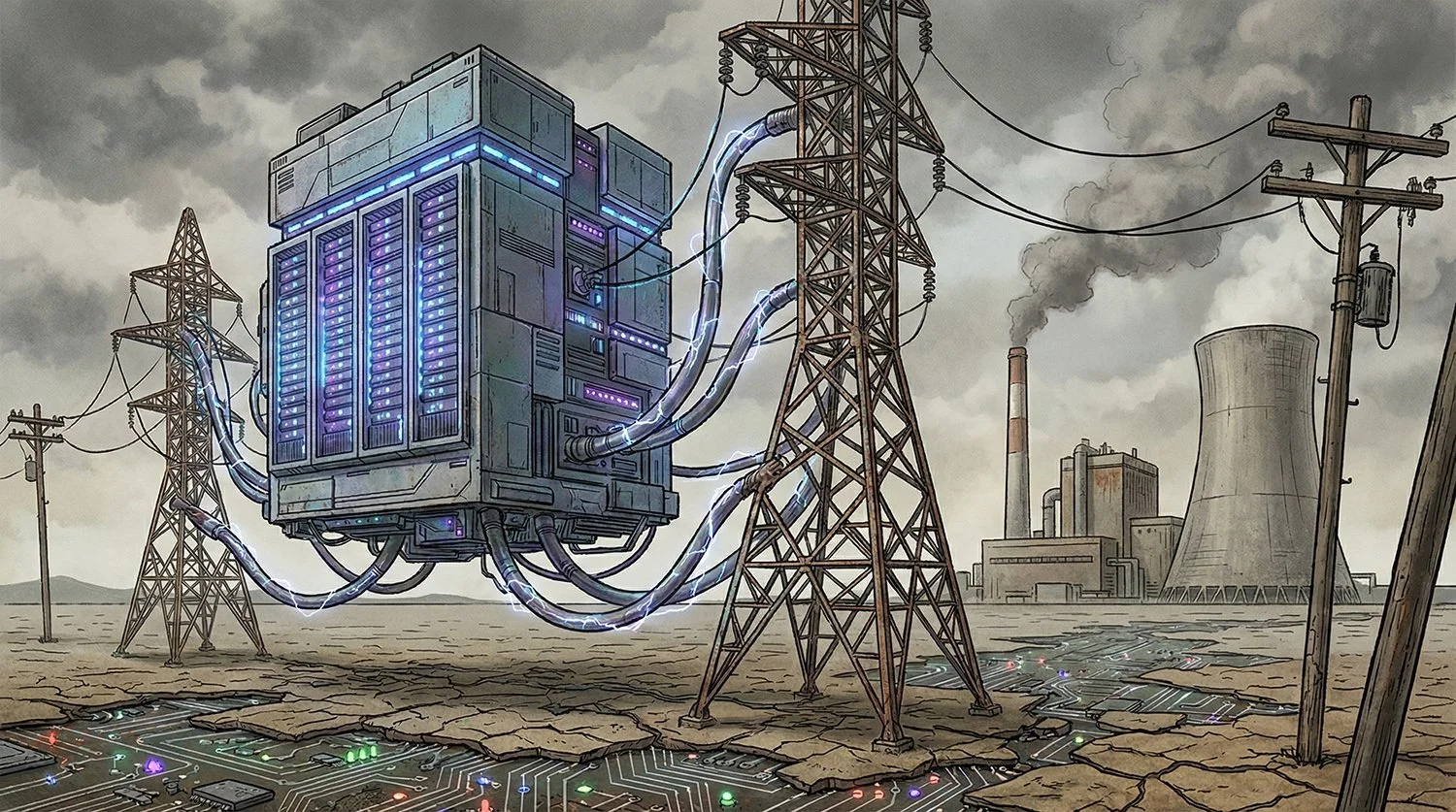
Energy Grid Capacity: Integrating large-scale AI data centers into the national grid requires careful planning to ensure stability and meet the high energy demands of such facilities. Lessons can be drawn from incidents like the 2024 grid fluctuations in Virginia, where data centers' energy consumption impacted grid stability.
Data Privacy Regulations: Australia's Privacy Act 1988 governs the handling of personal data. While it does not inherently impede AI development, compliance with data protection standards is essential, especially when processing large datasets.

























Economic and Strategic Implications
Establishing AI data centers in Australia could yield several benefits:
Economic Growth: Investment in AI infrastructure can stimulate job creation and drive economic development.
Energy Grid Optimization: AI-optimized data centers can contribute to stabilizing the energy grid, particularly when integrated with renewable energy sources.
Technological Sovereignty: Developing local AI capabilities ensures that Australia maintains control over critical technologies and reduces reliance on foreign AI models.
However, these opportunities come with financial risks, including the substantial capital required for infrastructure development and potential geopolitical shifts that could affect technology partnerships.


































 TheDayAfterAI News
We are a leading AI-focused digital news platform, combining AI-generated reporting with human editorial oversight. By aggregating and synthesizing the latest developments in AI — spanning innovation, technology, ethics, policy and business — we deliver timely, accurate and thought-provoking content.