
Google AI Mode Expands to 180+ Countries: Search Turns Into a Chatbot
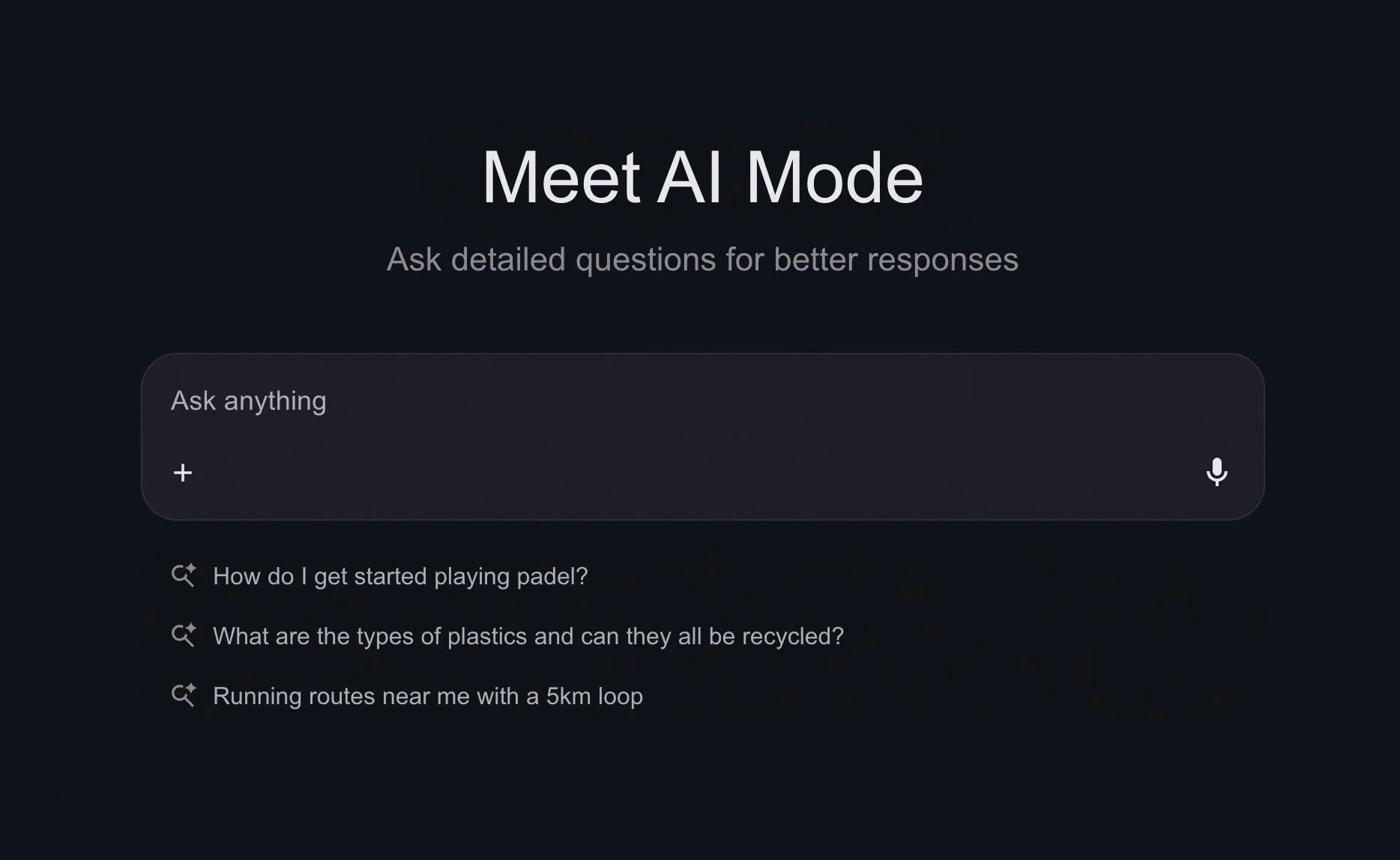
Image Source: Google AI Mode
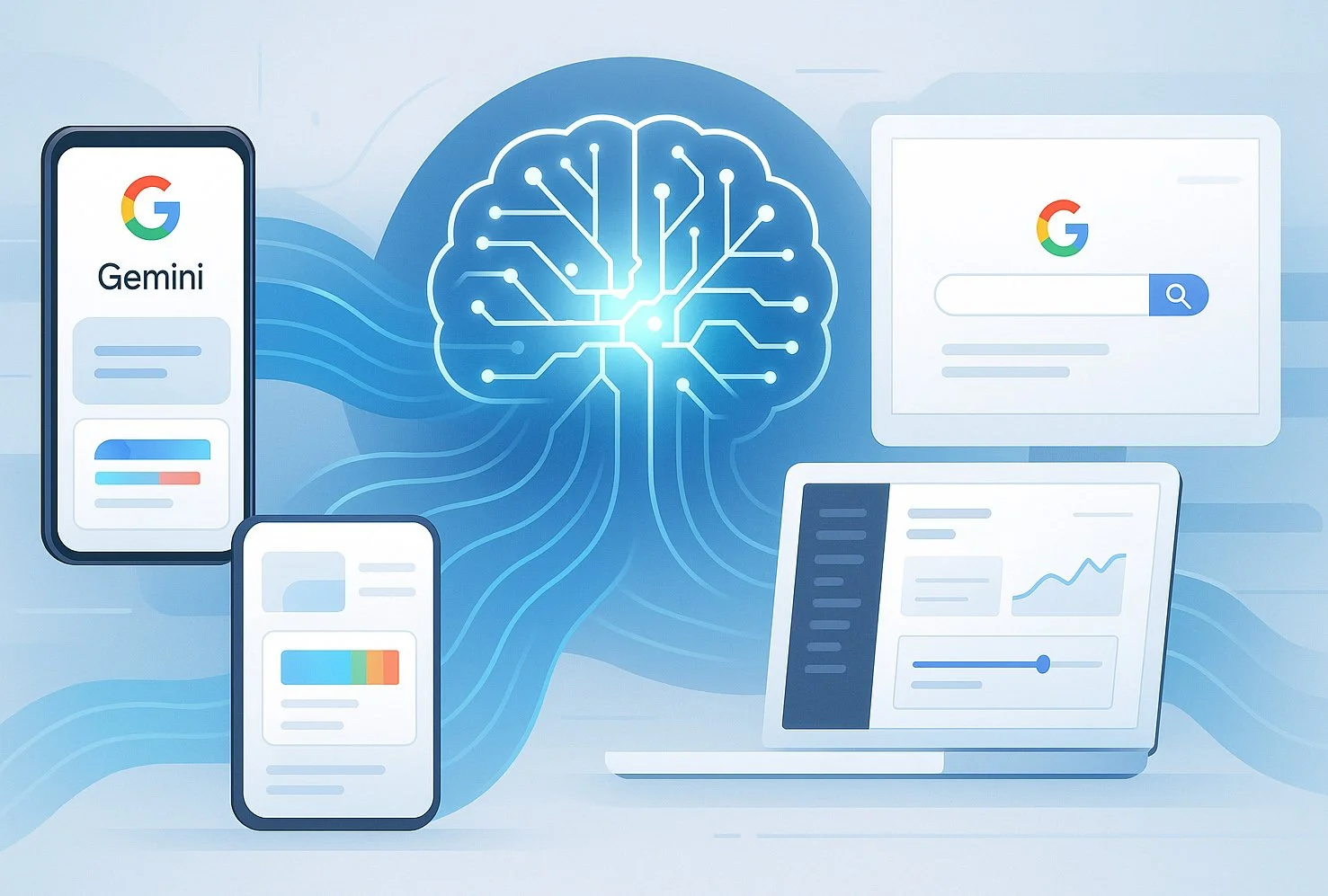
Google has started weaving a dedicated “AI Mode” directly into Search, turning the world’s dominant search engine into something that increasingly behaves like a conversational assistant rather than a list of links.
First tested as an AI-only search experience for Google One AI Premium subscribers in March 2025, AI Mode is now available as a tab in U.S. search results and in the Google app, with a wider rollout underway to more than 180 countries and territories.
The feature builds on AI Overviews, a system of AI-generated summaries that first appeared at the top of some search results in May 2024 and now reach over 1.5 billion users each month, according to Google. Together, these tools are reshaping how people find information, and how much traffic still flows back to the sites that create it.















From Search Labs Experiments to a Persistent AI Tab
Google’s journey toward AI-native search started with the Search Generative Experience (SGE), launched in Search Labs at Google I/O 2023, which experimented with using large language models to summarize results and answer complex questions.
On 14 May 2024, Google formally rolled out AI Overviews in the U.S. for “more complex” queries, describing it in a blog post as a way to “let Google do the searching for you”. These overviews draw on the Knowledge Graph and live web data to assemble short, cited summaries above the traditional “10 blue links.”
As usage grew, so did scrutiny. In May 2024, Google temporarily restricted the feature after a series of viral mistakes, such as suggesting people “eat one small rock per day” or add glue to pizza, highlighted the fragility of AI-generated answers.
By late 2024, AI Overviews had expanded to more countries, including Australia, the U.K., and parts of Europe and Asia, with Google saying it would ultimately reach over 1 billion users. In a May 2025 blog post, Liz Reid, Google’s VP and head of Search, called AI Overviews “one of the most successful launches in Search in the last decade,” noting that in major markets like the U.S. and India it drives over 10% more usage for the types of queries where it appears.












How AI Mode Evolved and What It Actually Does
AI Mode is Google’s attempt to go beyond occasional summaries and offer an “end-to-end AI Search experience”:
March 5, 2025 – AI-only experiment for paid users
Reuters reported that Google began testing an AI-only version of Search for subscribers to Google One AI Premium (US$19.99/month). This “AI Mode” replaces the usual list of links with a full-page AI answer and embedded citations, powered by a custom Gemini 2.0 model tuned for complex queries.April 7, 2025 – Multimodal image search in AI Mode
The Verge detailed how Google added multimodal capabilities by fusing a custom Gemini model with Google Lens, allowing users to upload or snap a photo and receive a “rich, comprehensive response with links” about the scene. Robby Stein, VP of product for Google Search, said AI Mode can understand the full context of an image and uses a “fan-out technique” that sends multiple sub-queries in parallel to build a more nuanced answer.May 20, 2025 – U.S. rollout via a dedicated tab
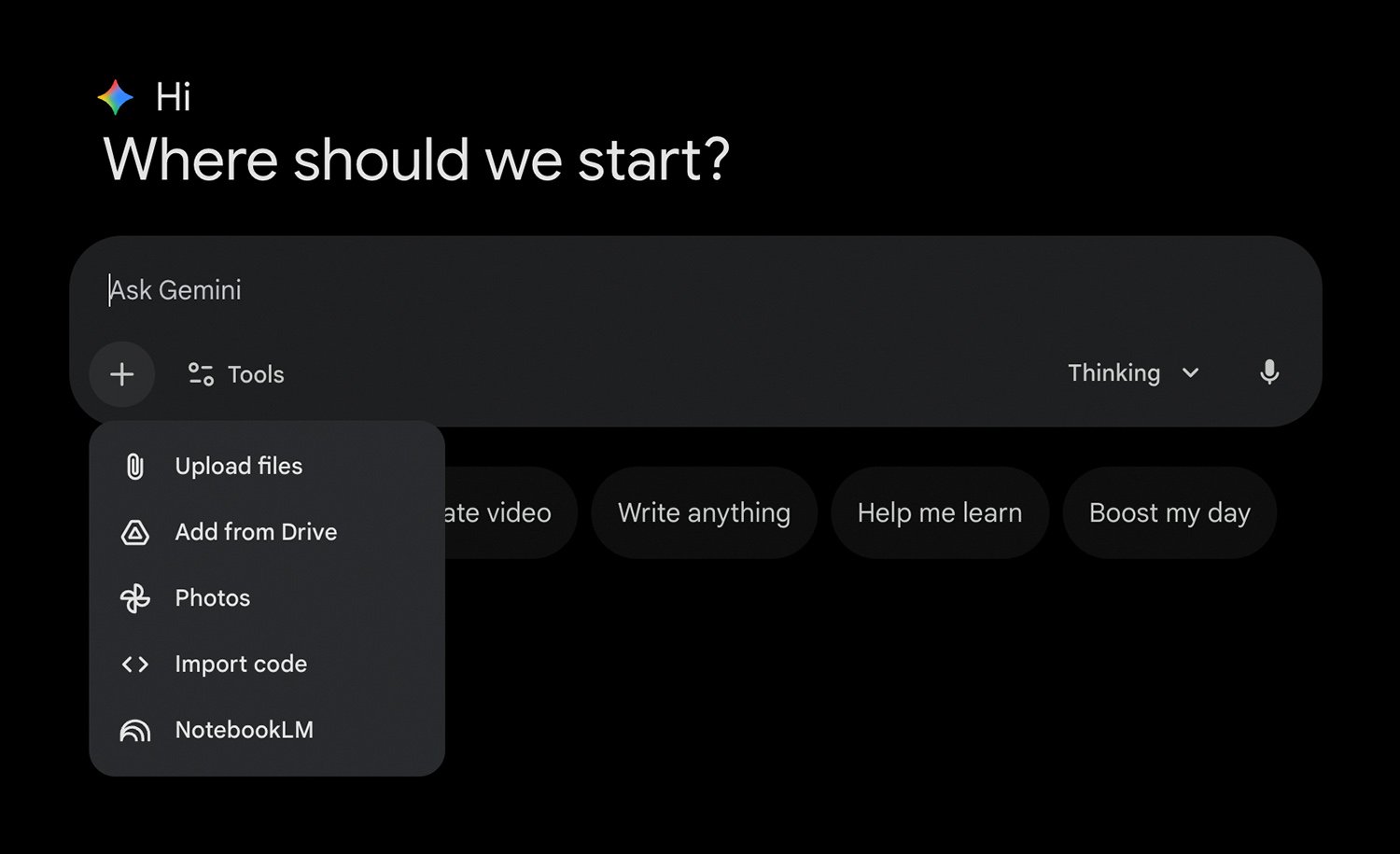
At Google I/O 2025, Google announced that AI Mode was rolling out to all U.S. users, no longer limited to Labs. A new AI Mode tab began appearing alongside “All”, “Images”, and “News” in Search and in the Google app, turning Search into a more chatbot-like experience that supports follow-up questions and multimodal input.Summer 2025 – Deeper integration and tracking
Articles in the search-marketing press note that Google Search Console has started exposing AI Mode impressions and clicks as separate metrics, allowing publishers to track how often their content surfaces inside AI answers, though Google has stressed that no special “AI SEO” tags are required.August 22, 2025 – Agentic features and global expansion
A Google-linked update summarized by ODSC (Open Data Science) reported that AI Mode is being extended with agentic capabilities—for example, making restaurant reservations or helping with event ticket booking through integrations with OpenTable, Ticketmaster, and others. At the same time, Google said AI Mode was expanding to more than 180 additional countries and territories, initially in English and with more languages to follow.
Under the hood, the AI stack is evolving. The early AI-only test used a custom Gemini 2.0 model, while a separate premium tier, Google AI Ultra, now advertises Gemini 2.5 Pro “Deep Think” and other advanced tools for US$249.99/month. Google hasn’t publicly pinned AI Mode to one Gemini version, but the direction of travel is toward larger, more capable Gemini models with multimodal and long-context reasoning.























Legal and Publisher Pushback: Chegg and Penske vs Google
As AI Mode and AI Overviews spread, legal and commercial backlash has intensified.
Chegg’s antitrust suit (filed 24 February 2025)
According to a Reuters report cited in Wikipedia’s AI Overviews entry, online education company Chegg sued Google on February 24, 2025 in U.S. federal court, arguing that AI Overviews cause students to choose “low-quality, unverified AI summaries” over Chegg’s paid study tools, in violation of antitrust law. Chegg alleges that Google uses its content to train models and then surfaces AI answers that cannibalise traffic and revenue.Penske Media’s lawsuit (September 2025)
On September 13–14, 2025, Penske Media Corporation — publisher of Rolling Stone, Billboard, and Variety — filed a high-profile lawsuit against Google in Washington, D.C., becoming the first major U.S. publisher to sue over AI Overviews. Penske claims:Around 20% of Google searches that link to its sites now display AI Overviews, and that share is expected to rise.
The prominence of AI summaries at the top of the page reduces incentives for users to click through, contributing to affiliate revenue falling by more than one-third from its peak.
Google spokesperson José Castañeda has called the claims “meritless”, arguing that AI Overviews make Search more useful and send traffic to a greater diversity of sites, a rebuttal echoed in multiple outlets.
Regulatory complaints in the U.K. and beyond
A widely-cited study by analytics firm Authoritas found that when an AI Overview appears above a result, websites that previously ranked first can lose around 79% of their traffic from those queries. The findings, discussed by The Guardian and others, helped prompt groups like Foxglove and the Independent Publishers Alliance to file complaints with the U.K. Competition and Markets Authority, arguing that AI summaries are causing “devastating” audience drops for some news sites.
Google disputes the methodology of these studies and insists that overall outbound clicks from Search have not declined significantly, even as AI Overviews roll out more broadly.


























Why Google Is Pushing AI Mode: Competition and Usage
From Google’s perspective, AI Mode is both defensive and opportunistic:
In its May 2025 blog, Liz Reid said that in key markets like the U.S. and India, AI Overviews drive more than a 10% increase in usage for the kinds of queries that show AI results, and that people are “happier” with these responses than with traditional search alone.
Google still commands close to 90% of the U.S. search market, a figure cited in a 2024 antitrust decision and reiterated in Penske’s complaint, but faces new pressure from AI-native competitors.
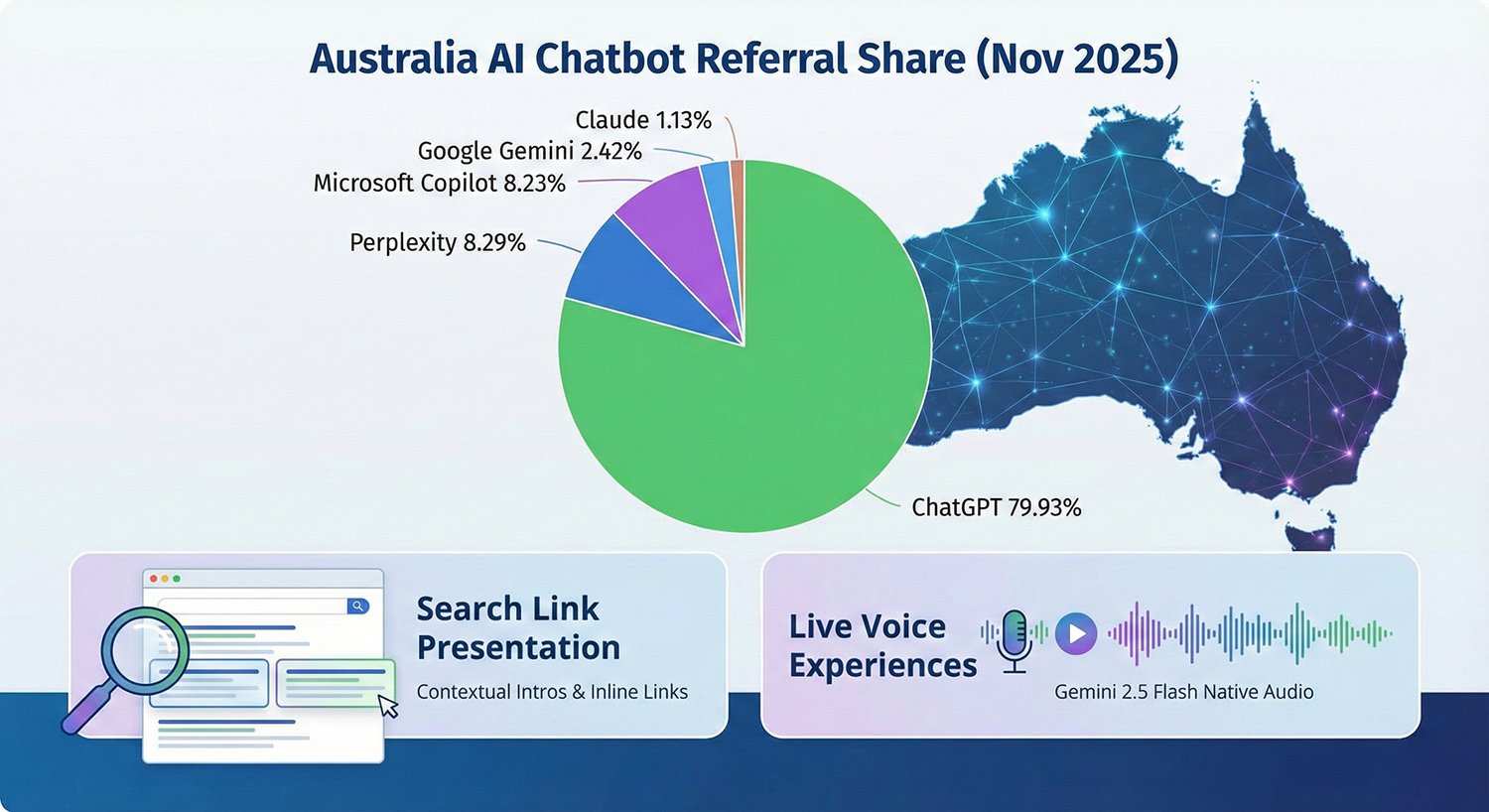
Perplexity, for example, processed about 780 million queries in May 2025 and more than 30 million queries per day, with over 20% month-over-month growth, according to CEO Aravind Srinivas at Bloomberg’s Tech Summit and subsequent coverage summarised in Perplexity’s own Wikipedia entry.
In this context, AI Mode is designed to keep those “what if I just ask a chatbot” queries inside Google, combining the company’s vast index and ranking signals with Gemini’s generative capabilities rather than letting users defect to rivals like Perplexity, ChatGPT Search, or Bing’s Copilot.
At the same time, Google is preparing to monetise AI Mode. Reporting by Kendra Barnett at Adweek notes that Google has said it will “explore bringing ads into AI Mode”, using lessons from ads already embedded in AI Overviews, where sponsored links can appear under the AI summary. As of late 2025, ads remain limited but the direction of travel is clear.






















More Zero-Click Searches and Thinner Referral Traffic
A growing body of research indicates that AI summaries change how people behave on results pages:
A Pew Research Center study of 900 U.S. adults and 68,879 searches found that AI-style summaries (in this case, from Microsoft Copilot integrated with Bing) appeared for 18% of queries. When a summary was shown:
Users clicked a standard web result in only 8% of searches, compared with 15% when no summary was present.
They clicked a link within the AI summary in only 1% of searches.
They were more likely to end the session without any click (26% vs. 16%).
While this study focuses on Bing, its implications for AI Overviews and AI Mode are hard to ignore.
Using Similarweb data, several analyses estimate that 60–69% of all Google searches now end without a click, a phenomenon often called “zero-click search”. On mobile, that figure can exceed 75%. AI Overviews appear to increase zero-click behaviour for some news and informational queries, especially where the AI answer fully satisfies the question.
The Authoritas study, amplified by The Guardian, eMarketer, and others, found that when AI Overviews appear, sites that were previously in position one can lose about 79% of their clicks from those queries.
Other work paints a more nuanced picture. A Semrush analysis found that for a fixed set of keywords, zero-click rates for queries with AI Overviews actually fell slightly—from 38.1% to 36.2%—between January and March 2025, suggesting user behaviour varies strongly by query type and intent.
Taken together, these results suggest that AI Mode and AI Overviews often increase on-page satisfaction but reduce outbound clicks, especially for quick-answer informational queries. For publishers, that means higher dwell time on Google and thinner referral traffic, even if Google insists total referrals are stable in aggregate.




























How Google’s AI Mode Stacks Up Against Rivals
Google’s edge is scale, not necessarily transparency.
AI Mode vs. Perplexity and ChatGPT Search
AI Mode sits directly on top of the full Google index, giving it unmatched breadth of coverage. But rivals like Perplexity emphasise explicit, always-visible citations, often listing five or more sources per answer, which many reviewers argue makes it easier to audit where information comes from.Google does include links and cited sites inside AI Overviews and AI Mode responses, but critics say these can be less prominent and encourage users to stay on the Google page.
Microsoft Bing Copilot integrates GPT-4-class models with Bing’s index and the Edge browser, offering a similar chat-plus-search experience with pinned citations and page snapshots.
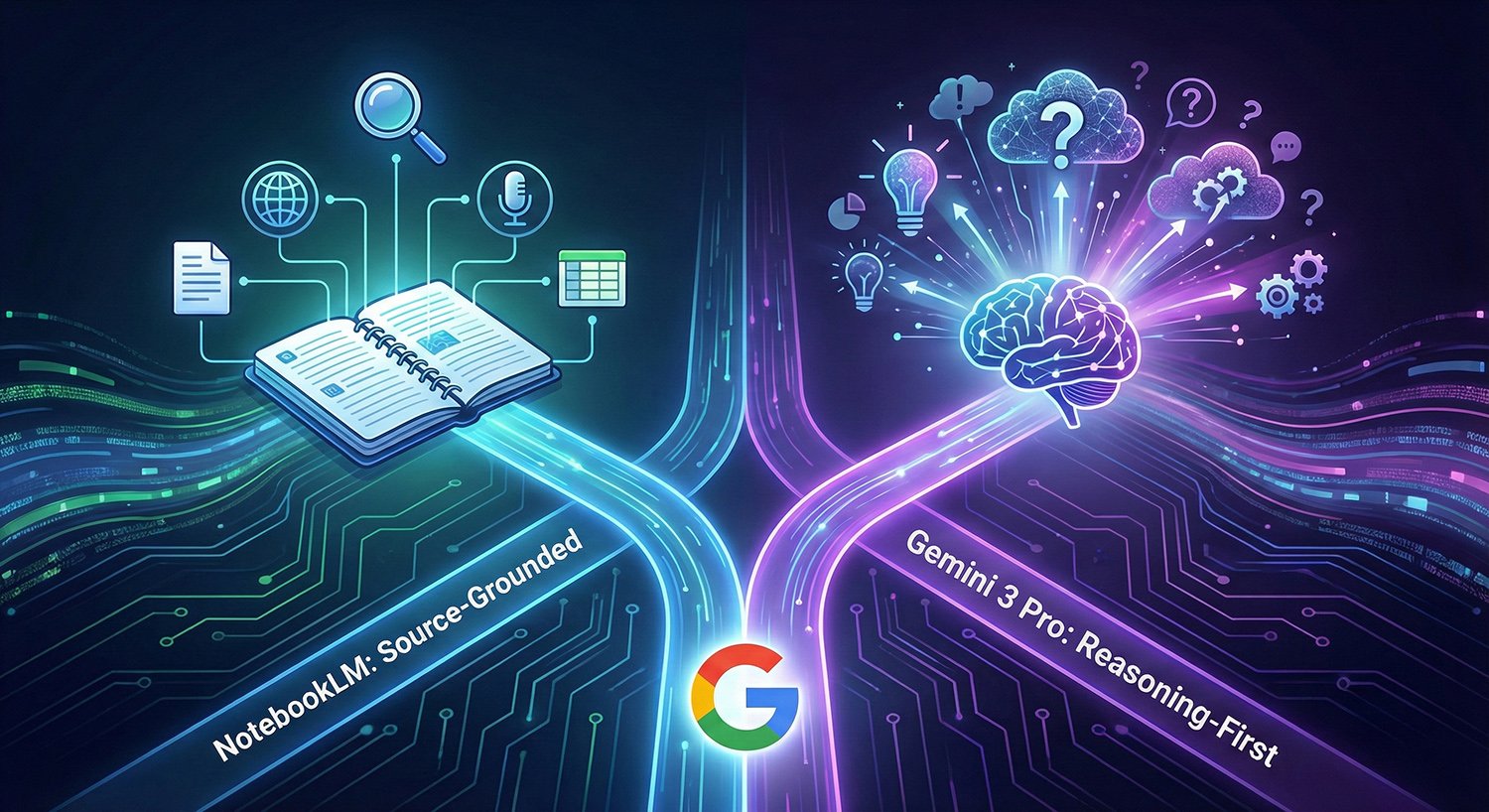
Anthropic’s Claude 3 / 4 family is often praised for “constitutional AI” guardrails and long-context reasoning, making it popular for deep document analysis, though it lacks its own web-scale search index.
ChatGPT Search (OpenAI) aims to blend GPT-4.1 / 4.1-mini with web search, but third-party benchmarks and traffic data suggest it is still behind Google in freshness and behind Perplexity in rigorous source display, while excelling at agent-style tasks like composing emails or summarising PDFs.
In short, Google’s competitive advantage is that AI Mode and AI Overviews are now becoming a default part of search for billions of users, rather than a separate destination they must actively seek out.

























Future Trends: Toward “Google Zero” and a Bifurcated Web
Industry analysts increasingly talk about a looming “Google Zero” scenario, where AI-generated summaries dominate the results page and the classic list of links is relegated to a supporting role:
Digital Content Next, citing Similarweb, reports that news searches resulting in no click-throughs to news websites grew from about 56% to nearly 69% after AI Overviews launched.
Multiple SEO and analytics reports now estimate that zero-click searches account for roughly 60% or more of all Google queries, with AI experiences — AI Overviews, AI Mode, featured snippets, and calculators — playing a growing role in that shift.
At the same time, Google stresses that AI Overviews and AI Mode are “links-first” experiences, and has begun highlighting that AI answers can send traffic to a wider variety of sites, not just the usual top three results.
For publishers and businesses, the emerging pattern looks like a bifurcated web:
Fast, AI-synthesised overviews for quick facts, shopping comparisons, and itinerary brainstorming, often answered fully within Google’s interface.
Traditional articles, tools, and videos for deeper dives — still essential, but increasingly found via brand loyalty, newsletters, apps, and social channels rather than purely via SEO.
As AI Mode spreads beyond the U.S. to over 180 countries and Google experiments with agentic actions and ads, the balance of power between search platforms and content creators is likely to keep shifting.
Google CEO Sundar Pichai has repeatedly argued that AI-powered search will “thrive the web” by helping users discover more diverse content. Critics counter that without stronger traffic-sharing and licensing models, many publishers may struggle to survive the transition.
Either way, the “AI Mode” tab in your search bar is no longer just a Labs experiment, it’s the front end of a new, AI-first search ecosystem that everyone who depends on web traffic will have to adapt to.
Source: Google Blog, Reuters, The Verge, Investopedia, Medium, Wikipedia, Ad Week, Financial Times, Digital Content Next, eMarketer, The Guardian
 TheDayAfterAI News
We are a leading AI-focused digital news platform, combining AI-generated reporting with human editorial oversight. By aggregating and synthesizing the latest developments in AI — spanning innovation, technology, ethics, policy and business — we deliver timely, accurate and thought-provoking content.