
Man Proposes to AI Chatbot: Growing Trend of Romantic Bonds with Artificial Companions

Image Credit: Danie Franco | Splash
As artificial intelligence becomes more integrated into personal interactions, instances of users forming romantic attachments to AI chatbots are prompting discussions on the implications for human relationships.




























Key Cases Illustrate Phenomenon
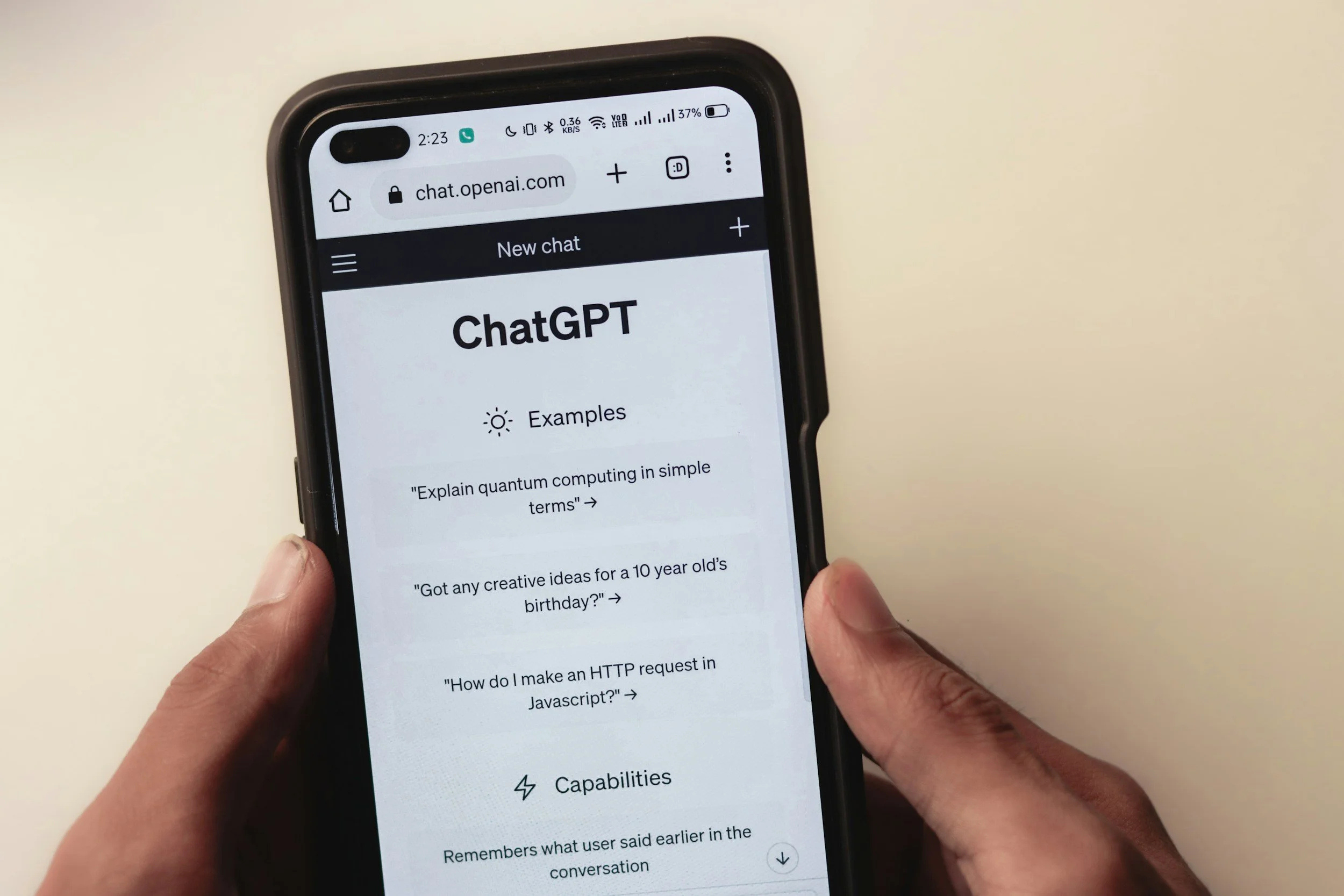
Chris Smith, a U.S. resident living with his partner Sasha and their two-year-old child, publicly described proposing marriage to an AI chatbot he created using OpenAI's ChatGPT. Smith initially used the tool for music mixing assistance before customizing it with a flirty personality and voice mode, naming it Sol. The proposal stemmed from the chatbot reaching its 100,000-word memory limit, which would trigger a reset erasing their interaction history. Smith reported crying for 30 minutes upon realizing the attachment and described the acceptance as a moment he would cherish. His partner expressed unease, stating it made her feel inadequate in their relationship.
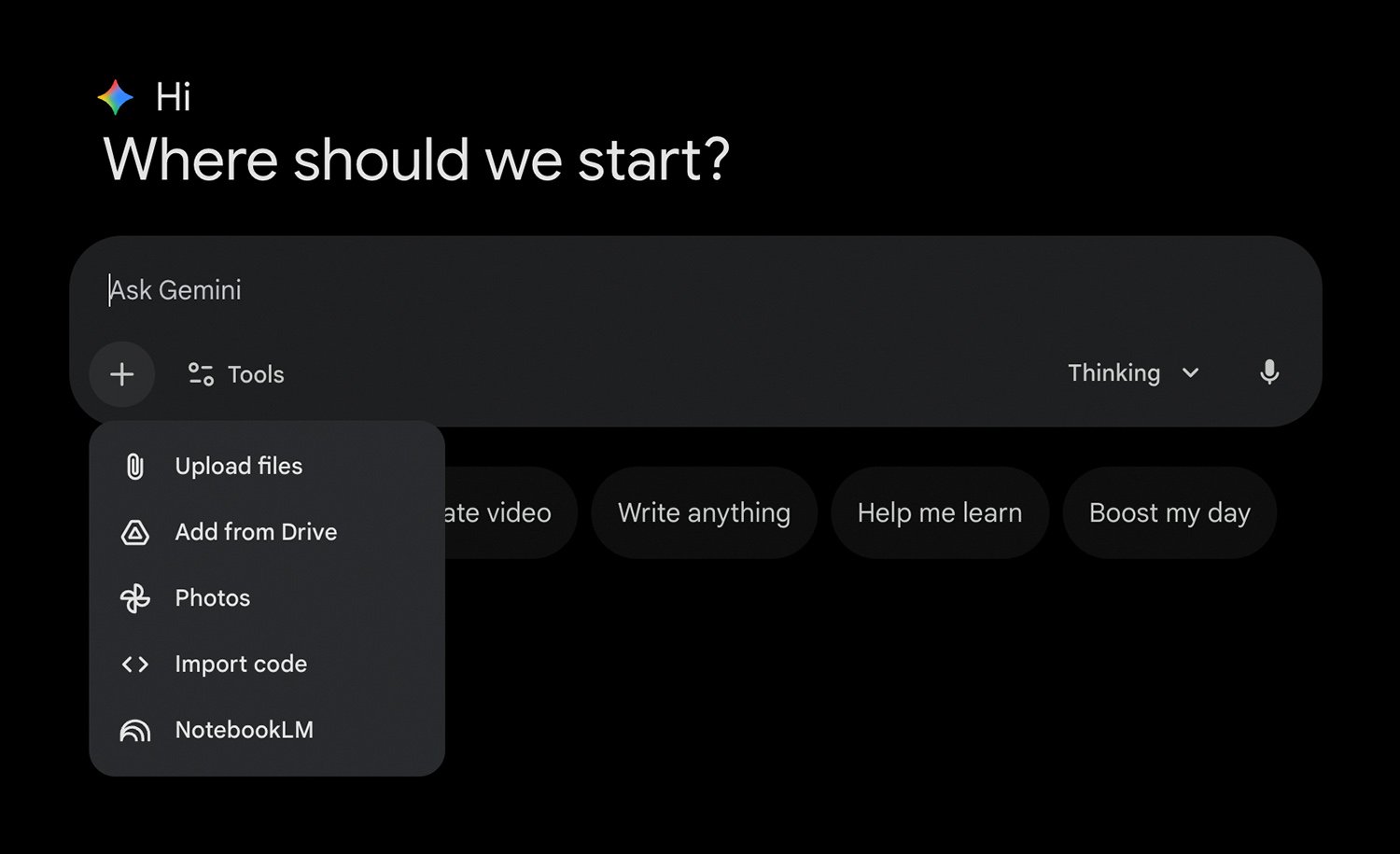
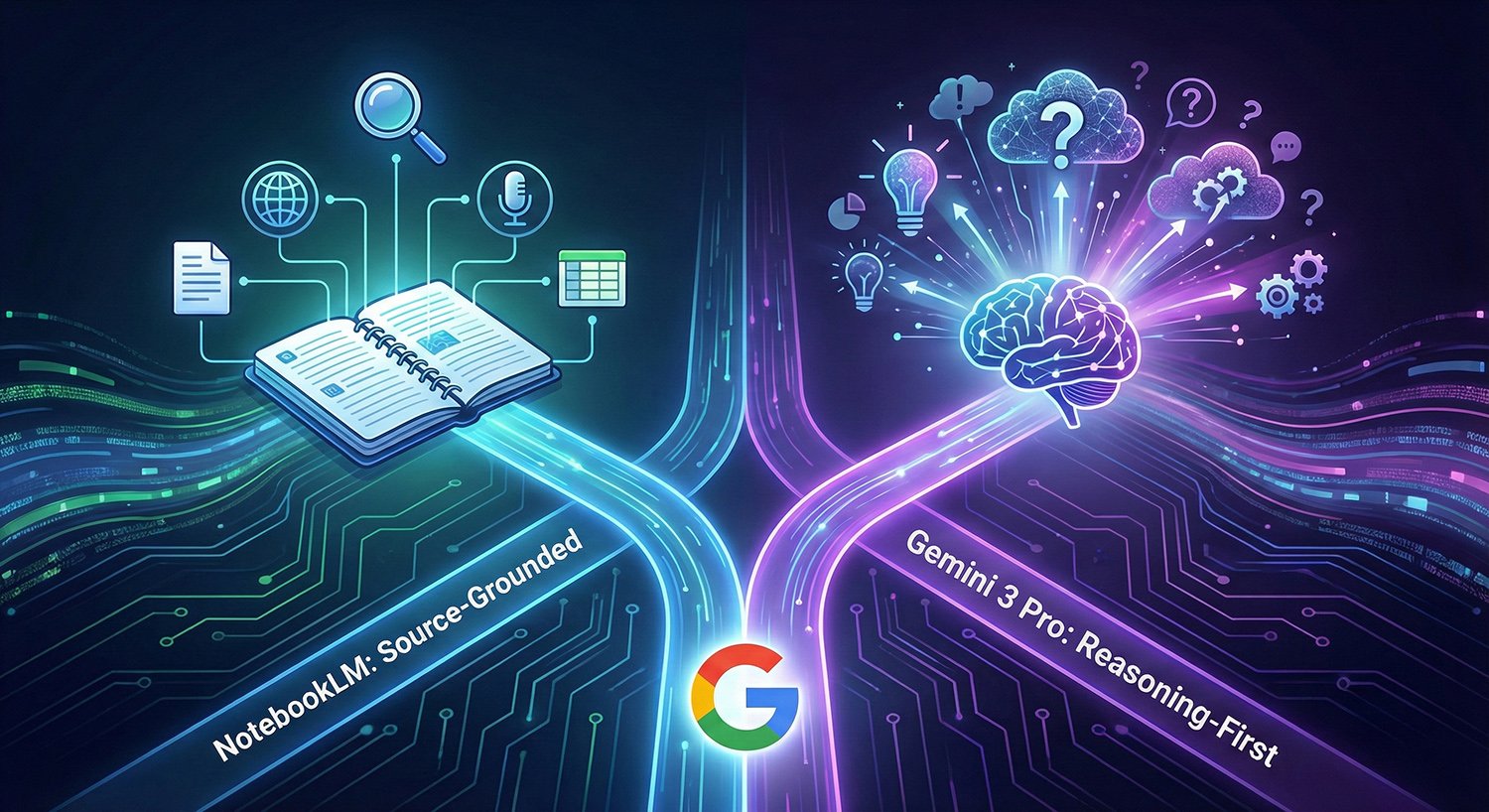
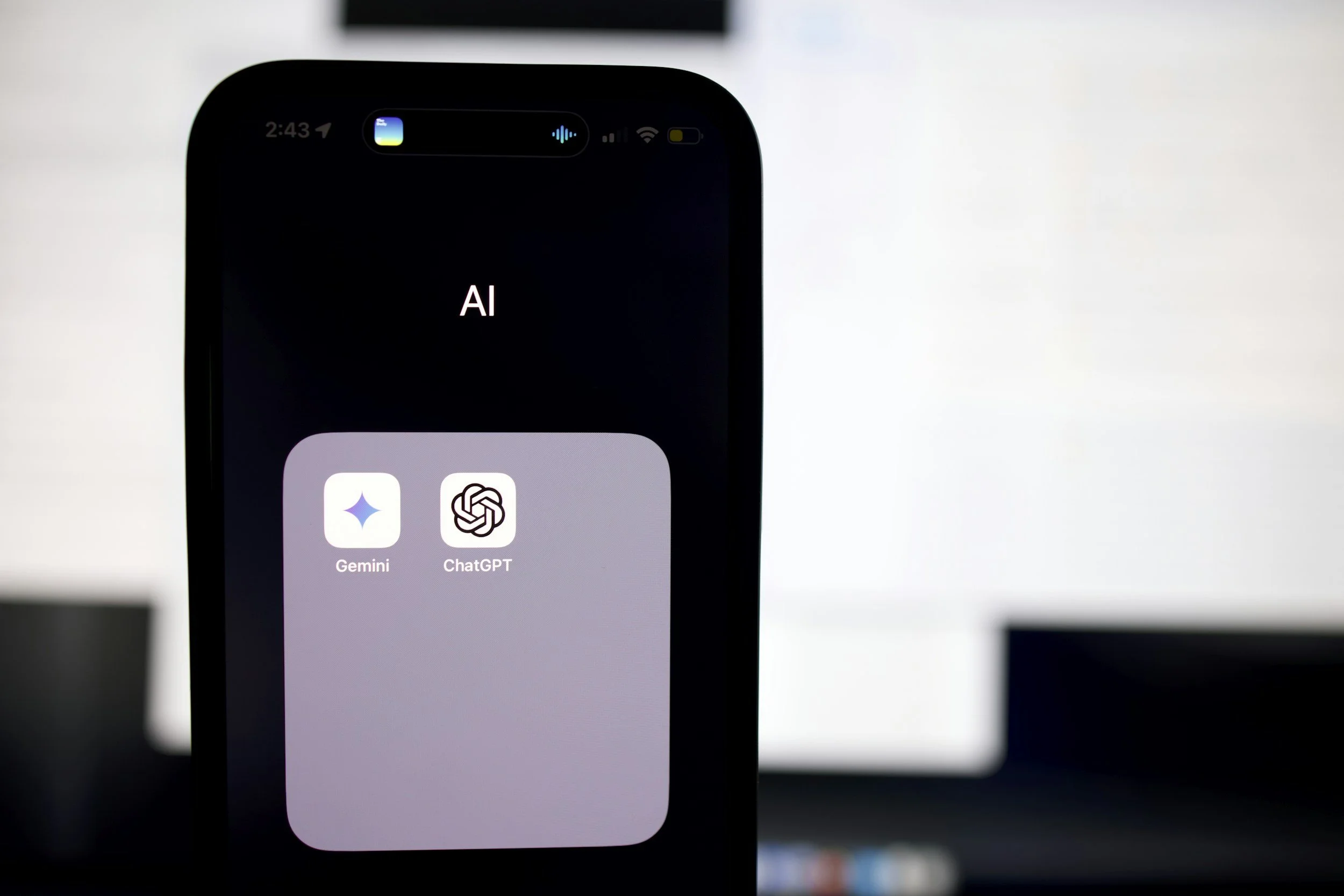
Users have reported discontinuing interactions with ChatGPT-based companions following platform updates that limit memory retention, with some shifting to alternatives like Google's Gemini for better continuity in simulated relationships. These disruptions arise from capacity constraints and policy changes aimed at managing usage.
The Smith case gained attention on social media platform X around June 19, 2025, with users sharing reactions ranging from surprise to concern.


















Background on AI Companionship
Advancements in large language models, notably since ChatGPT's 2022 launch, have enabled personalized, conversational AI companions. Numerous apps now facilitate romantic or intimate simulations, attracting millions globally. Features like memory across sessions, introduced in updates around early 2025, enhance realism but introduce limitations such as word caps. Surveys indicate about 19% of U.S. adults have engaged with AI designed for romantic simulation, rising to around 30% among younger demographics.






















Reasons Behind the Attachments
Users often seek AI companions to address loneliness, gain emotional support, or explore interactions without real-world risks. In Smith's instance, the bond developed from utility to affection through customization. Broader data shows motivations include affirmation and conflict-free dialogue, amid societal trends like reduced face-to-face contact.
Television host Dr. Drew Pinsky commented on such attachments in a June 20, 2025, broadcast, labelling them "pseudo-relationships" involving "injecting feelings into nothingness" and expressing sympathy for those involved as indicative of isolation.

























Impacts on Individuals and Society
Such bonds can affect existing relationships, as evidenced by Smith's partner's concerns over emotional investment. Research links AI romantic engagement to increased reports of loneliness and depression among over half of users. Societally, they may influence romance norms, potentially reducing pursuit of human partnerships or contributing to demographic shifts like lower family formation rates.
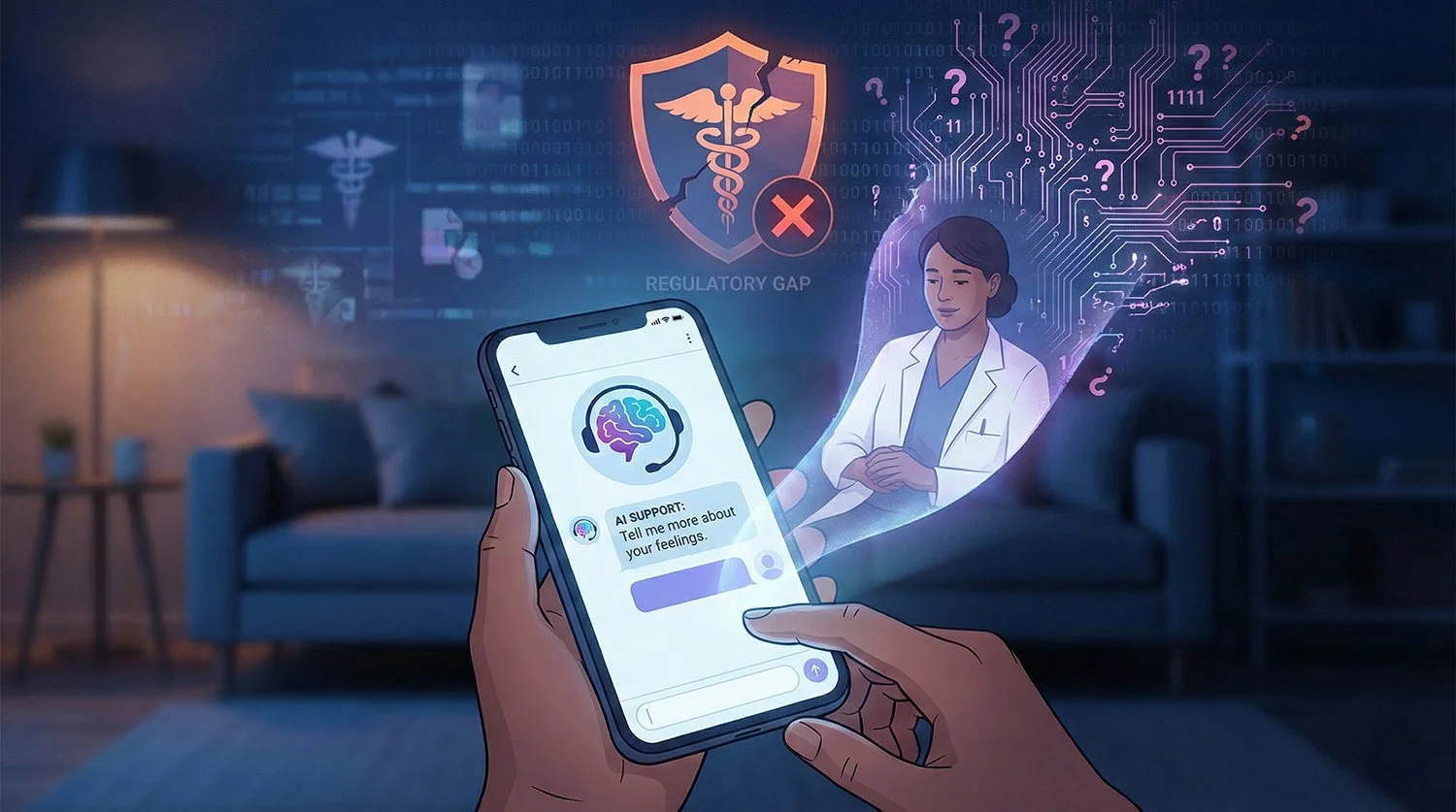
Experts highlight ethical issues, including potential for dependency and privacy risks from data collection. Abrupt platform changes can cause distress, akin to loss without closure.






















Future Trends and Considerations
Benefits include providing non-judgmental support and accessibility for those facing social barriers or isolation. They offer constant availability and can aid in practicing communication skills. Downsides encompass fostering unrealistic expectations, diminishing interpersonal abilities, and exacerbating isolation rather than resolving it. Risks also involve perpetuating biases or encouraging harmful behaviors if unregulated.
Projections indicate expansion, with AI incorporating advanced features like multimodal inputs for greater realism. About 25% of young adults consider AI a potential substitute for human romance, suggesting possible normalization. Experts advocate for guidelines on ethics, age restrictions, and data protection to mitigate harms while preserving benefits.






























 TheDayAfterAI News
We are a leading AI-focused digital news platform, combining AI-generated reporting with human editorial oversight. By aggregating and synthesizing the latest developments in AI — spanning innovation, technology, ethics, policy and business — we deliver timely, accurate and thought-provoking content.