
Sony Unveils 50MP LYT-828 Sensor With 17 Stops HDR and 4K 120fps for Flagship Phones
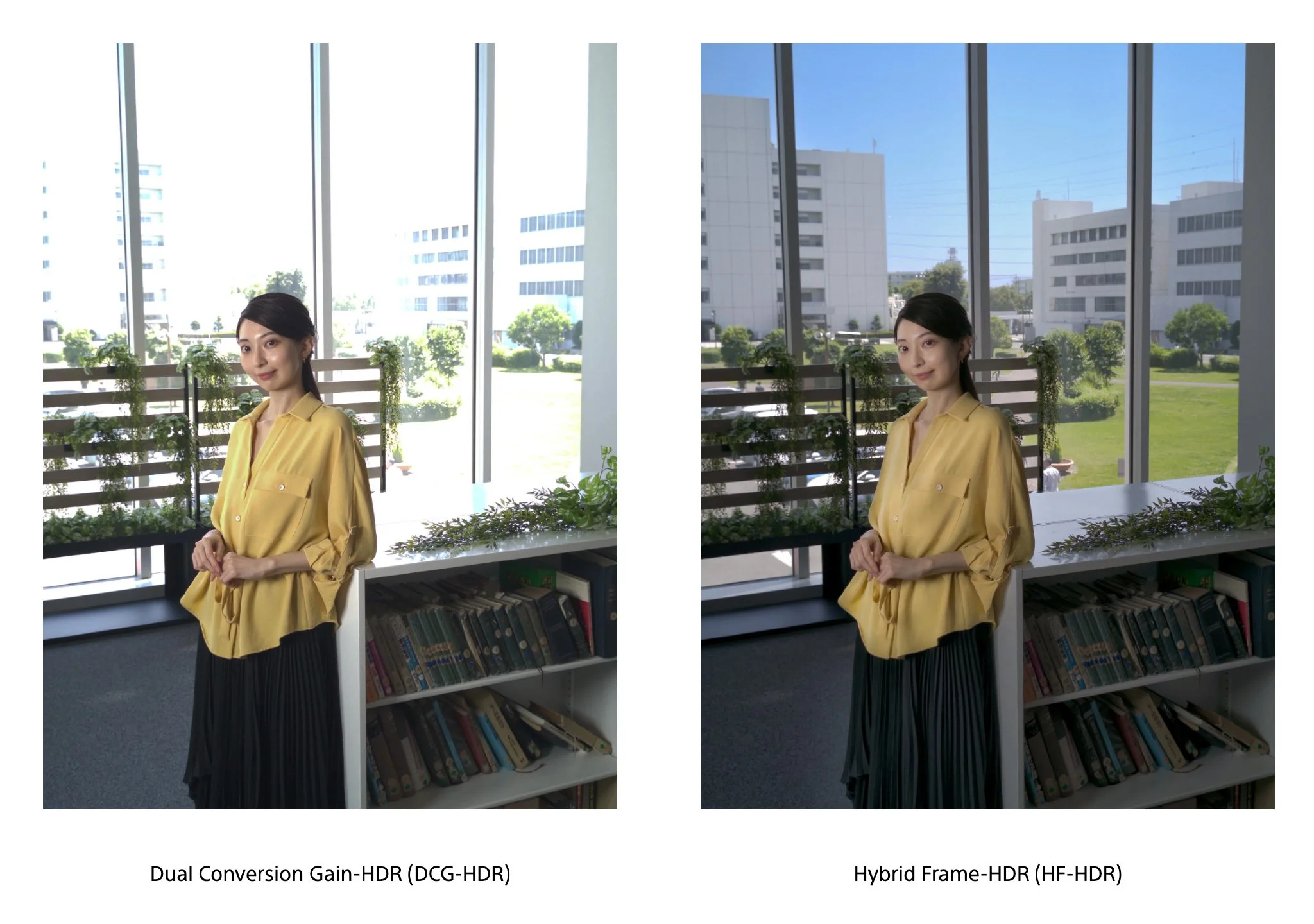
Image Source: Sony
Sony Semiconductor Solutions has introduced a 50-megapixel image sensor for smartphones that expands high-dynamic-range capabilities, providing data suitable for advanced computational processing to capture details in varying light conditions.



























Announcement and Specifications
The LYT-828, under Sony's LYTIA brand of mobile sensors, was unveiled on June 26, 2025, with mass production planned for late August. This stacked CMOS sensor measures 1/1.28 inches diagonally, with 1.22-micrometer pixels and Quad Bayer color filtering. It supports frame rates up to 120 frames per second in 4K2K mode with all-pixel autofocus and includes MIPI interfaces for integration with current smartphone systems. Targeted for primary and secondary cameras in premium devices, it is anticipated in models such as the Vivo X300 Pro expected later this year.




























Key Technologies
The sensor incorporates Hybrid Frame-HDR, blending single-frame and multi-frame methods to achieve a dynamic range over 100 decibels, approximately 17 stops. This preserves details in highlights and shadows, supplying richer input for computational algorithms that optimize scenes. t also features ultra-high conversion gain circuits to lower noise in low light, low-power circuits for ongoing HDR in previews and videos, and loss-less exposure technology for refined light management. These elements facilitate seamless use with device software for enhanced imaging outputs.

























Background and Development
Developed as a follow-up to the LYT-818, the LYT-828 addresses needs for improved handling of high-contrast environments in mobile photography, approaching levels seen in dedicated cameras. Sony's initiative reflects industry pressures to advance sensor hardware that bolsters software-driven enhancements, driven by user demand for versatile, high-quality captures in everyday scenarios. This stems from ongoing competition among sensor makers to elevate baseline performance amid growing reliance on computational tools.


























Pros and Cons
Advantages include a broad dynamic range that captures nuanced details across lighting extremes and reduced noise for clearer low-light results, potentially improving computational edits. Its power-efficient design supports constant HDR operation, aiding extended sessions without excess heat. Drawbacks may involve an emphasis on HDR at the expense of other capabilities, such as raw file options or multi-camera synergies found in rival products. The sensor's dimensions could also contribute to higher production expenses, influencing end-device costs.
























Potential Impact and Future Trends
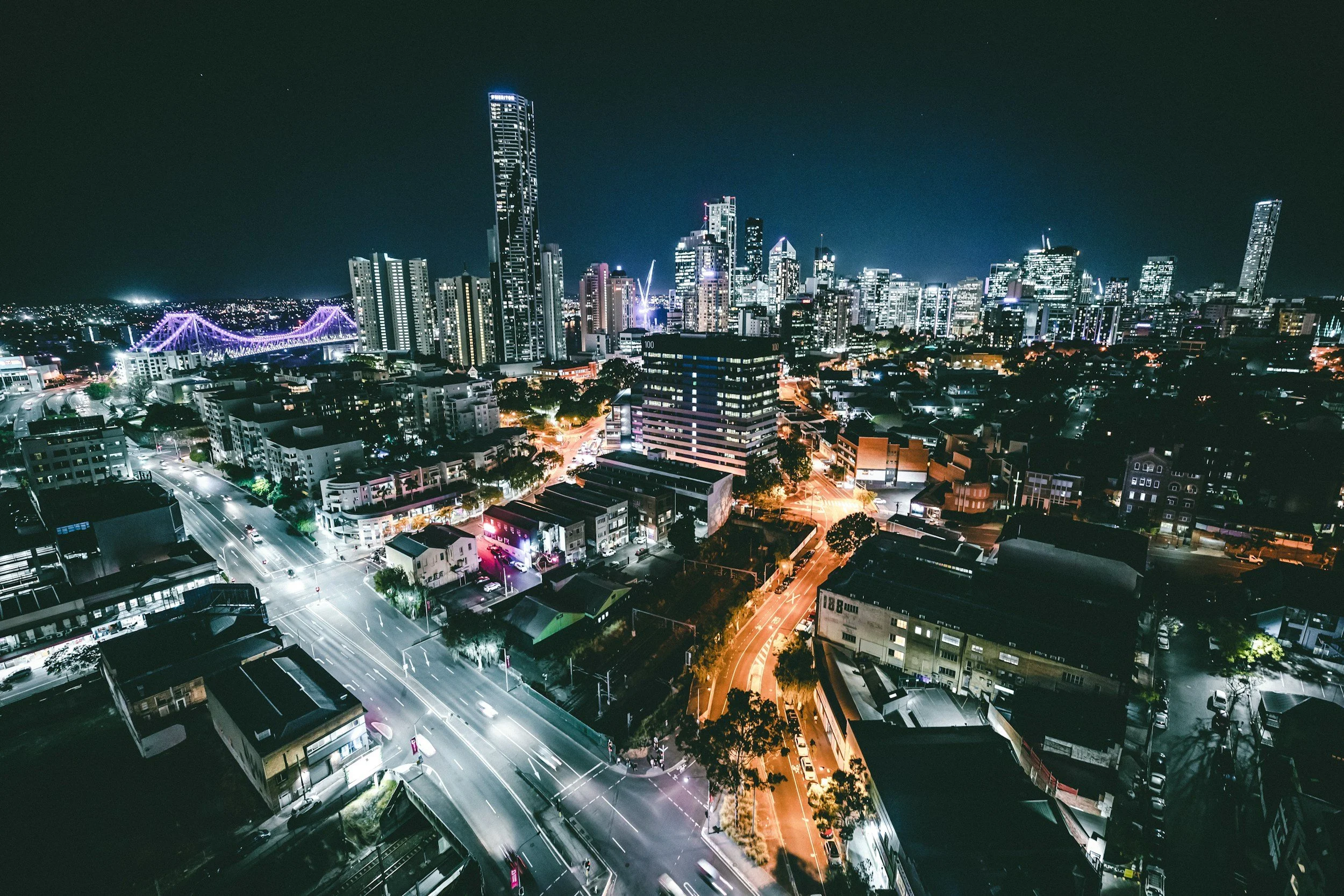
The LYT-828 may elevate routine smartphone photography by better managing scenes with wide light variations, like outdoor vistas or dimly lit gatherings, through enhanced data for processing. It fits into a pattern of sensors approaching professional-grade features, with peers like Apple pursuing comparable dynamic range advancements. Forward, this points to integrated hardware-software ecosystems where computational processing centralizes, though it could heighten discussions on cost versus innovation in a crowded sector.































 TheDayAfterAI News
We are a leading AI-focused digital news platform, combining AI-generated reporting with human editorial oversight. By aggregating and synthesizing the latest developments in AI — spanning innovation, technology, ethics, policy and business — we deliver timely, accurate and thought-provoking content.