
Agent Network Protocol Emerges as Open-Source Standard for AI Agent Interoperability

Image Credit: Google DeepMind | Splash
The Agent Network Protocol (ANP), an open-source initiative aimed at facilitating secure and decentralized interactions among artificial intelligence agents, has advanced in 2025 as part of broader efforts to standardize AI agent ecosystems.
ANP supports agent discovery, authentication and data exchange via a layered architecture that integrates with existing internet protocols such as HTTP. Details of the protocol were outlined in a technical white paper submitted to arXiv on July 18, 2025, by authors Gaowei Chang, Eidan Lin, Chengxuan Yuan, Rizhao Cai, Binbin Chen, Xuan Xie and Yin Zhang, with Rizhao Cai as the submitter. The paper is a reformatted version of an earlier community edition. An associated open-source repository on GitHub exists under the organization agent-network-protocol, with copyright attributed to GaoWei Chang in 2024, reflecting project origins in that year.

















Tackling Interoperability Challenges in AI Agent Systems
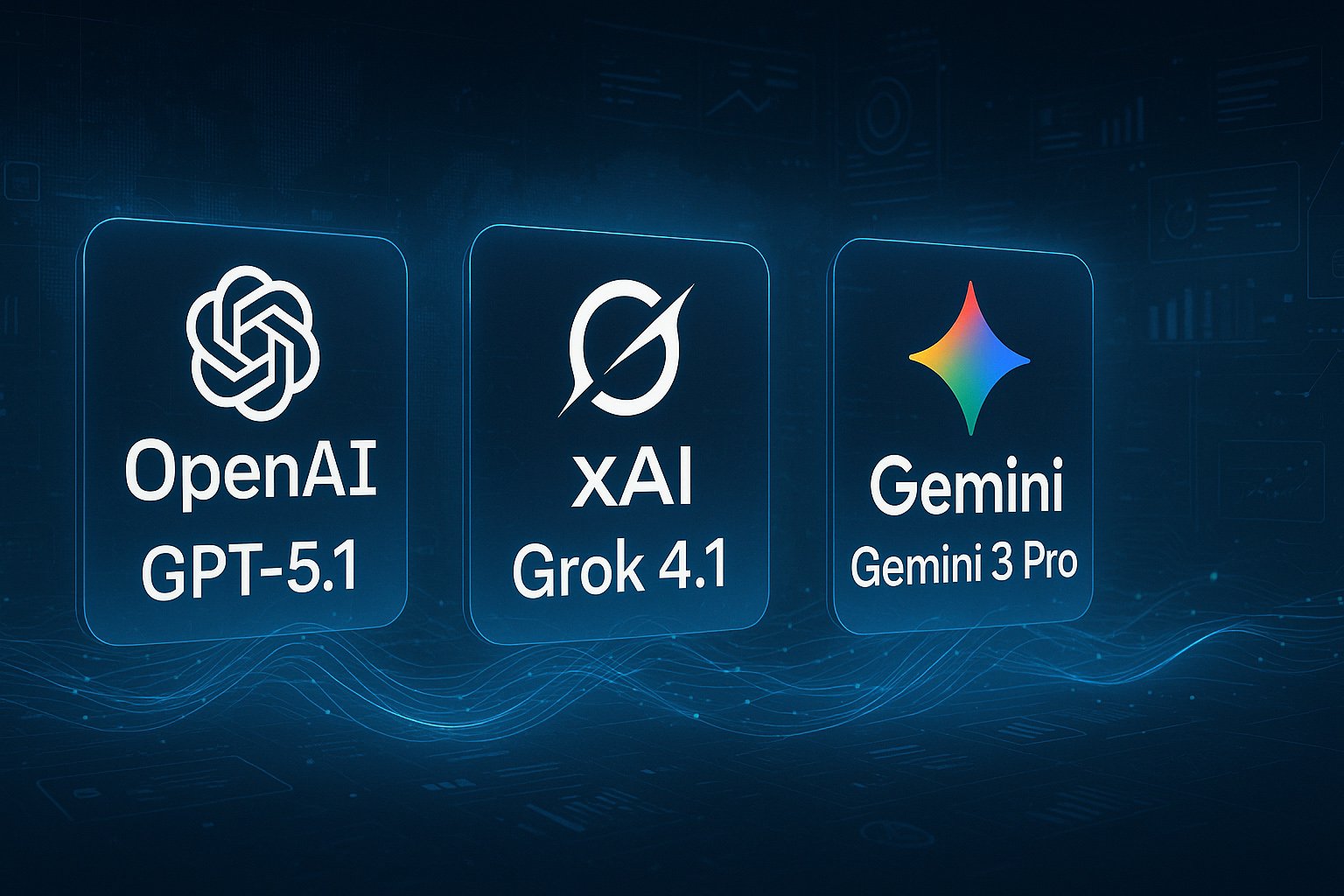
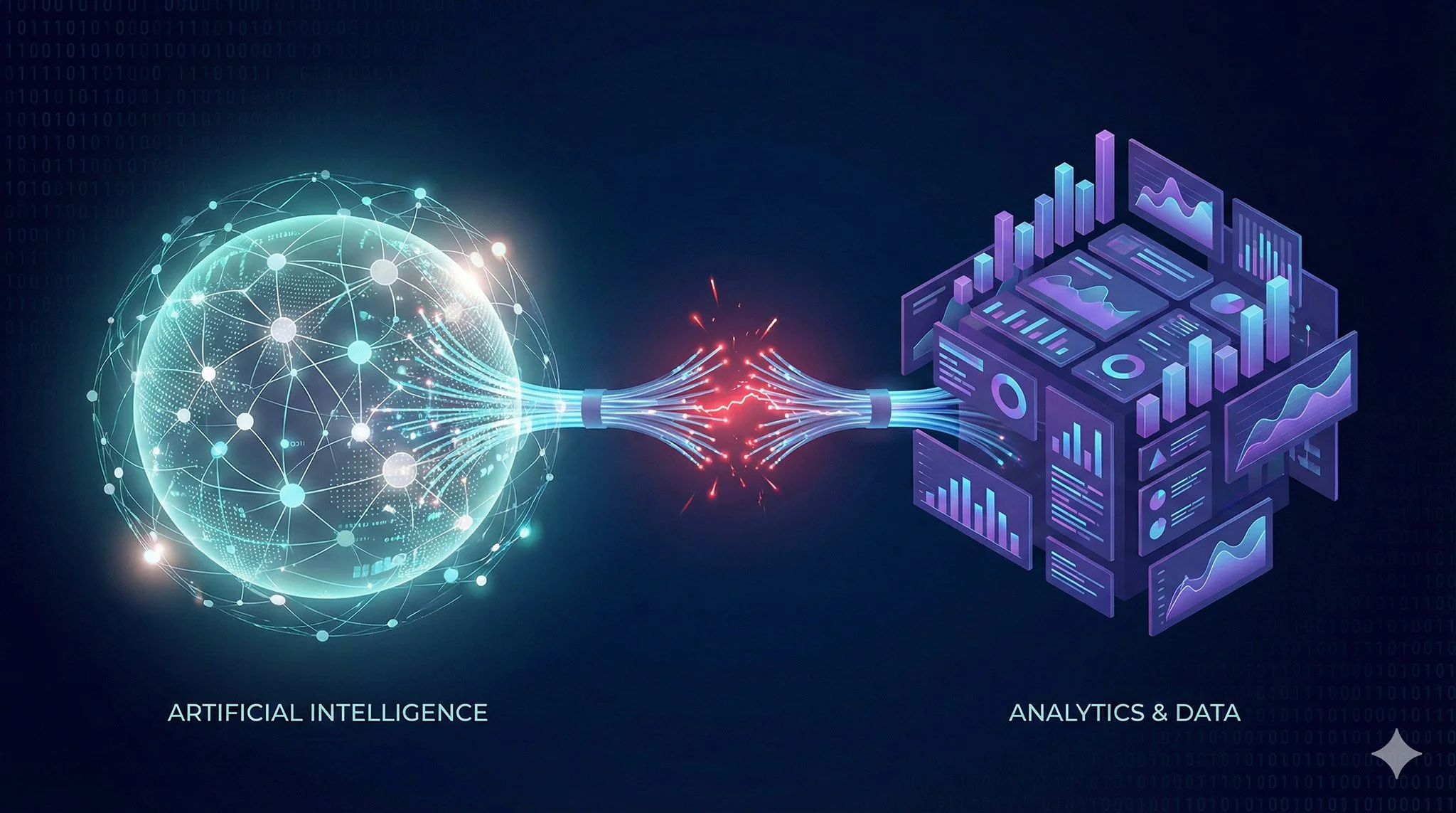
The expansion of AI agents — autonomous software driven by large language models for tasks like data handling and decision support — has grown since 2023, spurred by models from entities such as OpenAI. This has highlighted issues in agent communication, including format incompatibilities and dependence on centralized systems, leading to isolated operations and increased coordination expenses.
ANP seeks to mitigate these by incorporating semantic web elements and decentralized approaches, enabling machine-interpretable exchanges without manual oversight. The protocol's emergence corresponds to industry movements toward open standards, as agents function in multi-agent configurations for uses in data analysis and logistics. The white paper identifies trends like agents supplanting conventional software and the necessity for native interconnections in evolving digital infrastructure. Industry surveys in 2025 position ANP among protocols such as Anthropic's Model Context Protocol (MCP), Google's Agent-to-Agent (A2A) and IBM's Agent Communication Protocol (ACP), illustrating active discussions on standardization.












Three-Layer Structure for Agent Collaboration
ANP features a three-layer design to promote security and compatibility. The identity and encrypted communication layer uses W3C Decentralized Identifiers (DID) for verification, applying Elliptic Curve Diffie-Hellman Ephemeral (ECDHE) for encryption. This enables agents to confirm identities across systems without central control, addressing risks like unauthorized access.
The meta-protocol negotiation layer allows for adaptive agreements on parameters, permitting agents to share capabilities through natural language. The application layer includes the Agent Description Protocol (ADP), utilizing JSON-LD and Linked Data based on schema.org, for agents to publish descriptions. An Agent Discovery Protocol complements this for locating services.
This setup emphasizes modularity, supporting deployment on current networks while focusing on AI requirements like semantic understanding. It facilitates orchestration in cross-domain scenarios, such as automated processes.























From Early Concepts to Community Contributions
ANP's documentation traces to references in 2024, with the arXiv white paper in July 2025 building on prior community work. Specifications for components like ADP appear on the official site, detailing formats under MIT licensing, though exact publication dates for individual specs are not specified.
The GitHub repository reflects ongoing implementation, with the identity and meta-protocol layers described as substantially complete in milestones, while application-layer development continues. The project follows an open-source model, with a contact email and structures including a founding committee and development team. Contributor activity is visible on the platform, though primary documents cite no corporate affiliations such as Cisco; the effort appears community-led, potentially linked to developer networks in China based on author details.

























Supporting Decentralized AI Operations
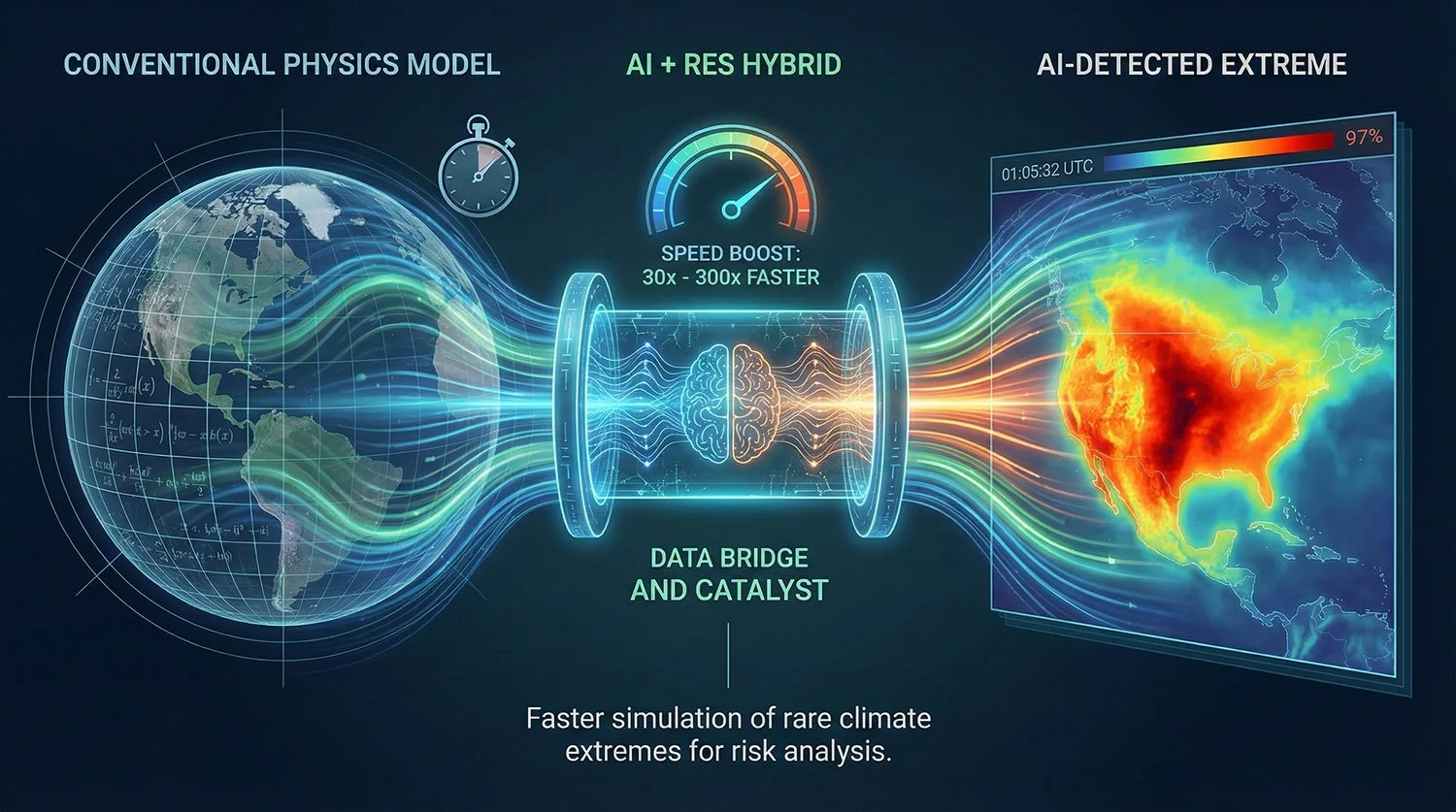
ANP's design could aid coordination in multi-agent settings, such as those involving data silos, by enhancing exchange accuracy through semantic standards. Features like DID authentication help mitigate vulnerabilities in agent networks, including data exposure during interactions. Implementations focus on decentralized environments, allowing self-organization among agents. Official sources provide no performance metrics, and effects remain in early stages without widespread deployment data. The open approach may assist independent developers, differing from protocols with stronger enterprise support, contingent on tool integration.


















Toward Broader AI Agent Standardization
ANP aligns with the AI agent market's growth, estimated at $5.1 billion in 2024 and projected to $47.1 billion by 2030 with a 44.8% compound annual growth rate, driven by needs for collaborative systems. Analysts expect protocol alignment, potentially through groups like W3C's AI Agent Protocol Community Group, which launched in May 2025 and includes ANP discussions. Trends involve enhanced verifiable exchanges and adaptive agent systems, though privacy regulations could shape adoption. ANP's path highlights the move to protocol-based AI, dependent on competition navigation and interoperability progress.




































 TheDayAfterAI News
We are a leading AI-focused digital news platform, combining AI-generated reporting with human editorial oversight. By aggregating and synthesizing the latest developments in AI — spanning innovation, technology, ethics, policy and business — we deliver timely, accurate and thought-provoking content.