
NVIDIA Launches AI Aerial Platform to Boost 5G and 6G Network Performance
Image Credit: Mariia Shalabaieva | Splash
NVIDIA Corp has rolled out its AI Aerial platform, a mix of software and hardware thats all about weaving artificial intelligence into radio access networks (RAN). Its designed to boost spectral efficiency and overall network performance in telecoms.
This platform uses neural networks for handling radio signals, marking NVIDIAs push into AI powered telecom setup, drawing on their know how in speedy computing.



















Key Features and AI Integration
At heart, AI Aerial taps machine learning models to deal with radio signals, with the potential to lift spectral efficiency by up to 20 percent via advanced layer 1 and layer 2 algorithms. The platform packs CUDA sped up RAN libraries for virtualised workloads, AI Radio Frameworks that work with PyTorch and TensorFlow for model building, and the Sionna simulator for neural network based signal processing.
AI sits smack in the middle of the system, allowing smart workload sharing between 5G jobs and generative AI apps on the same GPU, which can ramp up capacity use by two to three times. This setup opens doors for AI boosted tweaks in modulation, reception, and demodulation, bringing throughput gains of up to 70 percent in some cases, as shown by partner DeepSig in particular setups like ditching usual pilot overhead.
The Omniverse Digital Twin bit offers spot on physical simulations, from lone base stations to whole city networks, making it easy to test algorithms without real world rollout risks.




















Industry Team Ups and Effects
NVIDIA has linked arms with telecom bigwigs like Ericsson, Nokia, Samsung, SoftBank, and Fujitsu, plus research spots such as ETH Zurich and Northeastern University, to push AI native networks. These partnerships, flagged with platform updates in March 2025, zero in on shared research for 6G, with tools like the Aerial Commercial Test Bed letting folks test AI models over the air.
The effects include possible drops in power use by up to 50 percent at base stations and running cost savings of up to 30 percent for operators, drawn from NTT DOCOMO trials with Fujitsu and Wind River. By turning networks into AI computing hubs, it might spark new services like robotic remote ops and 3D team work, growing income beyond standard connectivity. Take up will tie in with standard setting mainly through 3GPP and ITU; groups like the AI RAN Alliance handle R&D and ecosystem tweaks.





















Future Trends and Outlook
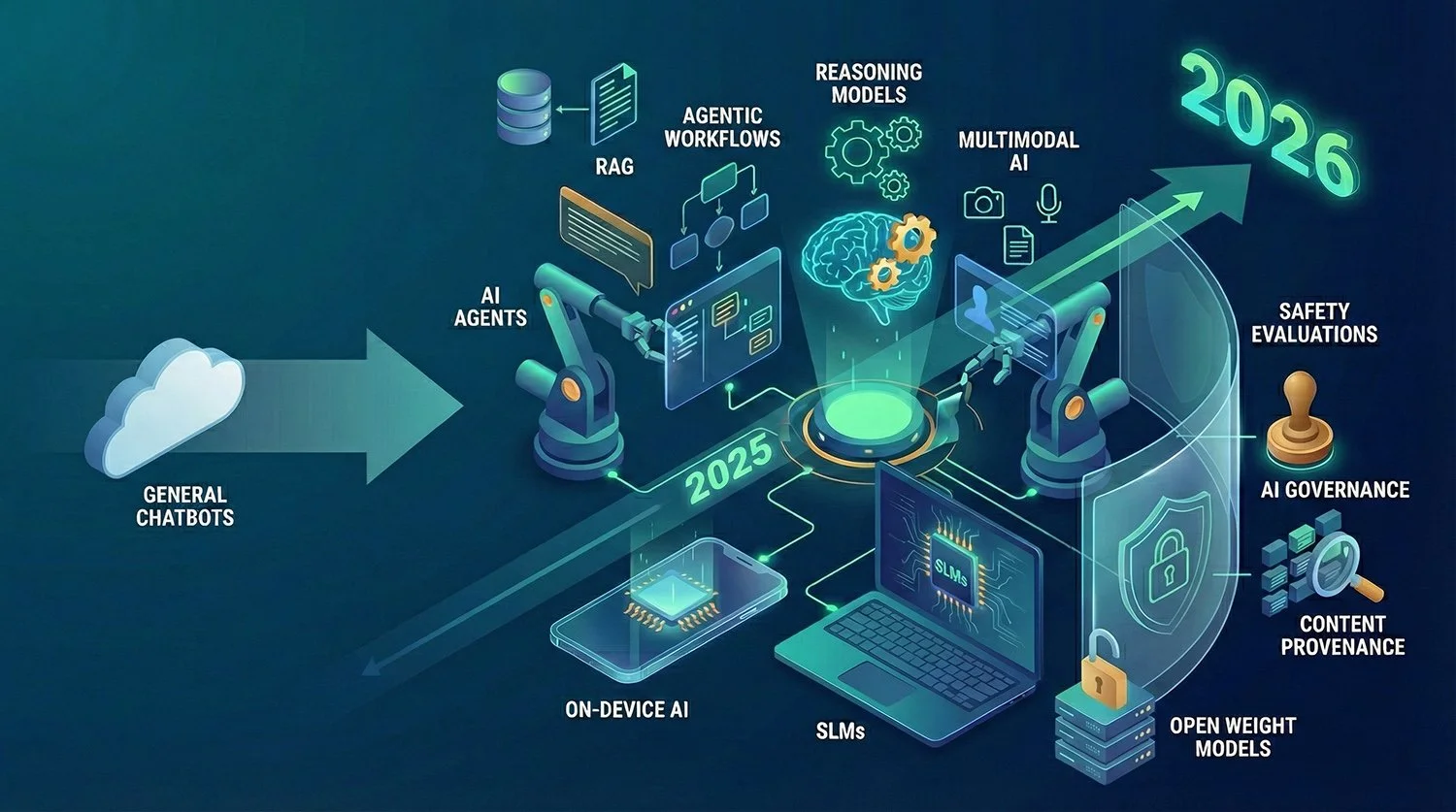
Looking forward, AI Aerial puts NVIDIA right up front in 6G growth, where AI native setups are tipped to lead, backing billions of linked devices with better sustainability. Trends point to AI and telecom merging, with simulations speeding up research loops and open source tools like Sionna sparking fresh ideas.
Industry watchers reckon wider rollout as 6G standards shape up, possibly changing broadband access, though hurdles in blending and rules stay on the cards. NVIDIAs 6G Developer Program, with over 2000 members, shows the ecosystem picking up steam.




























 TheDayAfterAI News
We are a leading AI-focused digital news platform, combining AI-generated reporting with human editorial oversight. By aggregating and synthesizing the latest developments in AI — spanning innovation, technology, ethics, policy and business — we deliver timely, accurate and thought-provoking content.