
TuNaAI Boosts Nanoparticle Drug Delivery: 42.9% Higher Success and 75% Safer Formulation
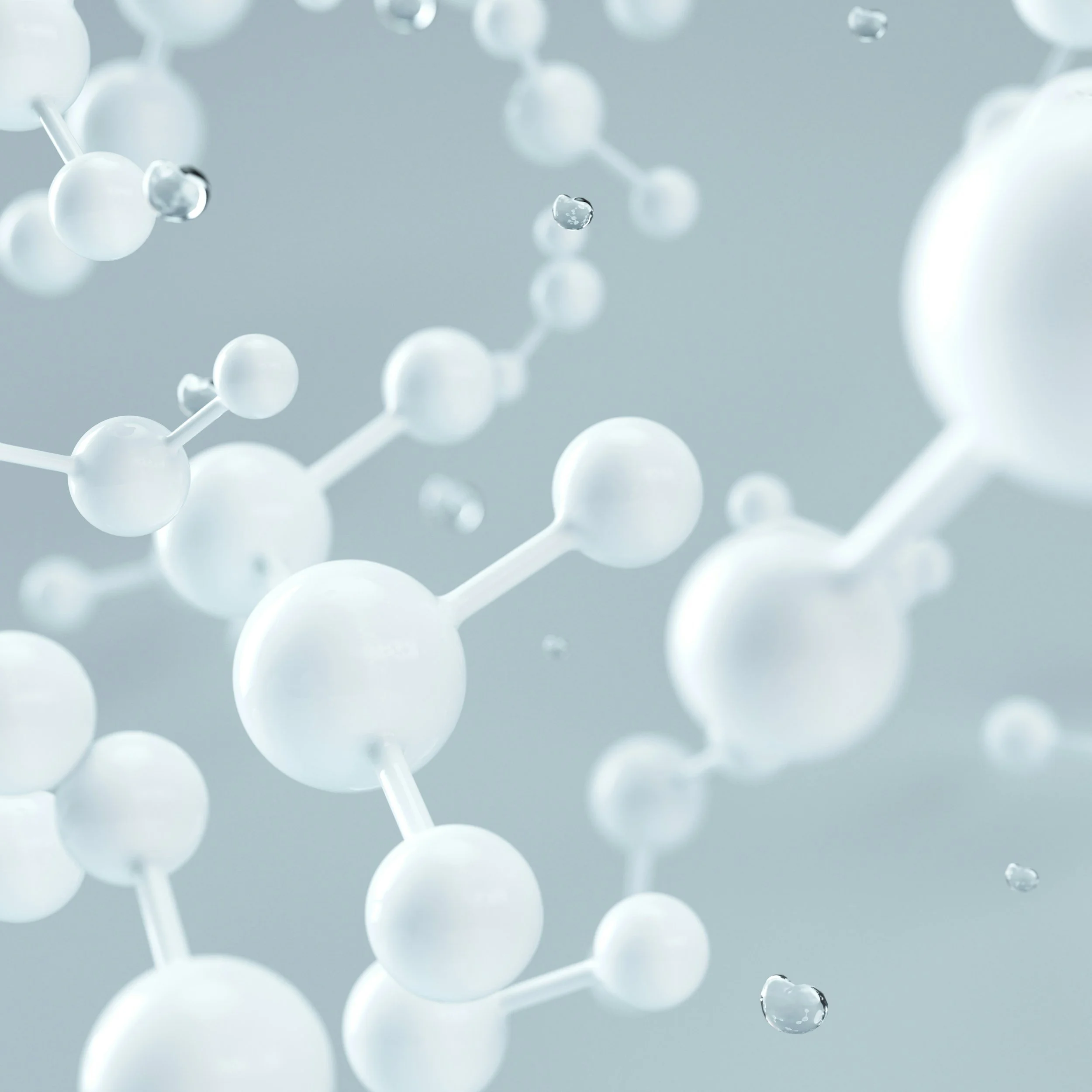
Image Credit: D koi | Splash
Biomedical engineers at Duke University have developed an artificial intelligence platform called TuNaAI that enhances the design of nanoparticles for more effective drug delivery. The system, combining machine learning with robotic automation, has demonstrated a 42.9 percent increase in successful nanoparticle formation and a 75 percent reduction in a potentially carcinogenic excipient in a specific chemotherapy formulation.
This advancement highlights AI's growing role in addressing formulation challenges in drug delivery, moving beyond early discovery phases to practical optimisation.














Background on Nanoparticle Challenges
Nanoparticles act as carriers to transport medicines precisely within the body, minimising side effects from widespread exposure. Traditional approaches to creating these particles often involve trial and error, with fixed ratios of materials complicating stability and efficiency.
AI has already revolutionised drug discovery by predicting molecular interactions, but its application in later stages, such as optimising delivery systems, has been limited by factors like variable compositions and sparse data. Duke's team identified this opportunity to create a platform that learns from diverse formulations to predict better outcomes.















How TuNaAI Works
Under the leadership of assistant professor Daniel Reker and PhD student Zilu Zhang, the platform integrates an automated liquid handling robot with a hybrid kernel machine learning model. It begins by generating a dataset of 1275 formulations, varying drugs and excipients through robotics to collect performance metrics.
The AI analyses these interactions, optimising both ingredient selection and ratios simultaneously. This approach allows predictions with limited data, focusing on stability, safety, and efficacy.
"We showed that TuNaAI can be used not only to identify new nanoparticles but also optimise existing materials to make them safer", Zhang said in a university statement.






















Key Achievements in Testing
In experiments, TuNaAI created nanoparticles for venetoclax, a leukemia treatment challenging to encapsulate due to solubility. The result showed better dissolution and stronger inhibition of leukemia cells in lab tests compared to the unencapsulated drug.
For trametinib, used in skin and lung cancer therapies, the platform refined an existing formulation to cut a potentially carcinogenic excipient by 75 percent, maintaining efficacy and improving biodistribution in mouse models.
These findings appeared in a paper published in September 2025 in ACS Nano. Funding came from the US National Institutes of Health and Duke's shared resources, with collaborators including Kris Wood and Zachary Hartman.















Impact on Healthcare
TuNaAI's efficiency in formulation could contribute to developing safer and more effective drug delivery options, particularly for challenging treatments. By reducing harmful additives while preserving performance, it supports advancements in oncology and other areas.
The platform's design allows for potential expansion to other biomaterials, aiding therapeutic and diagnostic applications.




















Future Directions in AI Driven Delivery
As a foundational tool, TuNaAI sets the stage for further AI integration in nanomedicine, with the team actively collaborating inside and outside Duke to tackle difficult to treat diseases.
Reker described it as "a big foundational step for designing and optimising for therapeutic applications", indicating ongoing efforts to broaden its scope.



















 TheDayAfterAI News
We are a leading AI-focused digital news platform, combining AI-generated reporting with human editorial oversight. By aggregating and synthesizing the latest developments in AI — spanning innovation, technology, ethics, policy and business — we deliver timely, accurate and thought-provoking content.