
AI-Driven Civilian Drones Take Flight in South Korea’s Push for Autonomous Leadership

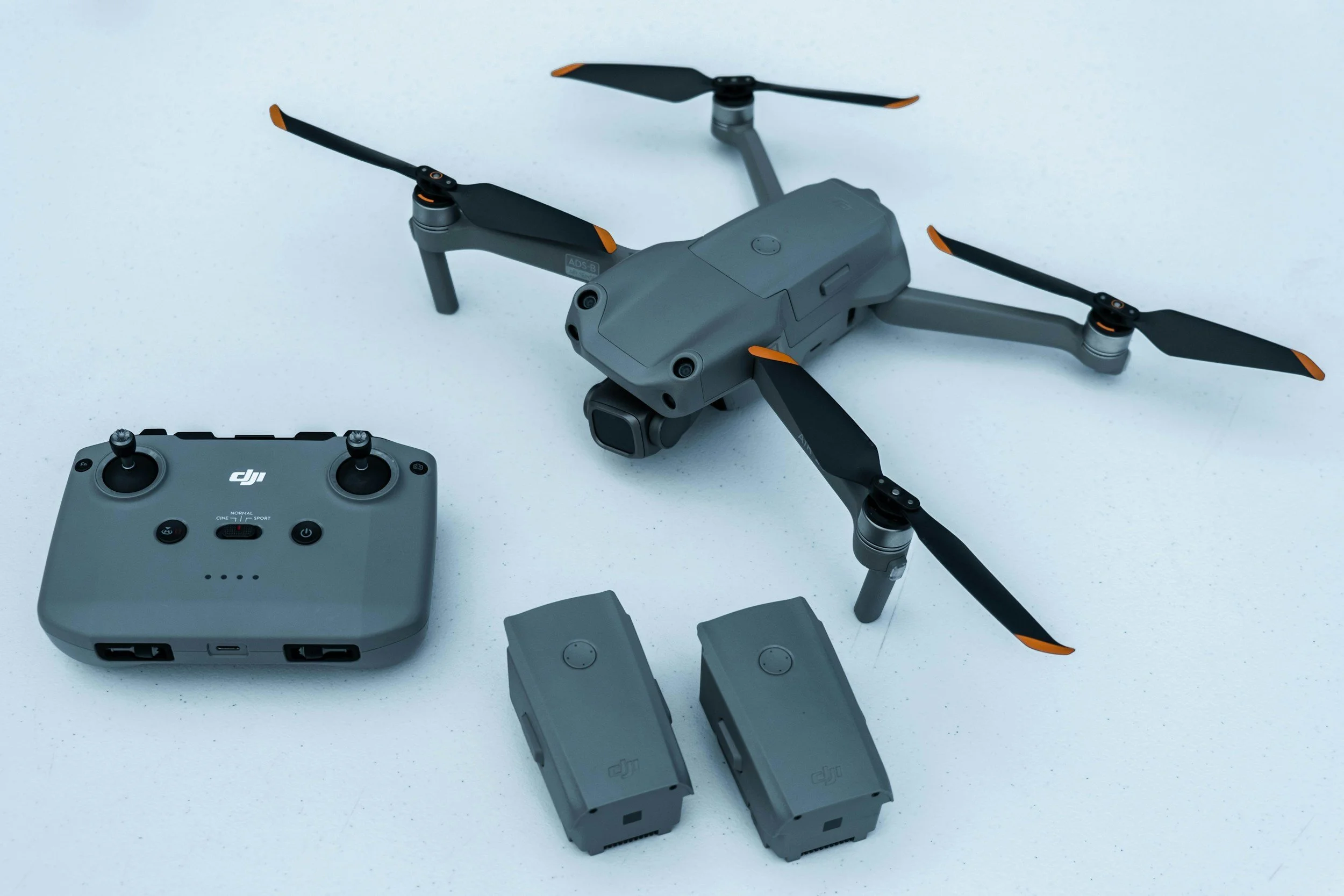
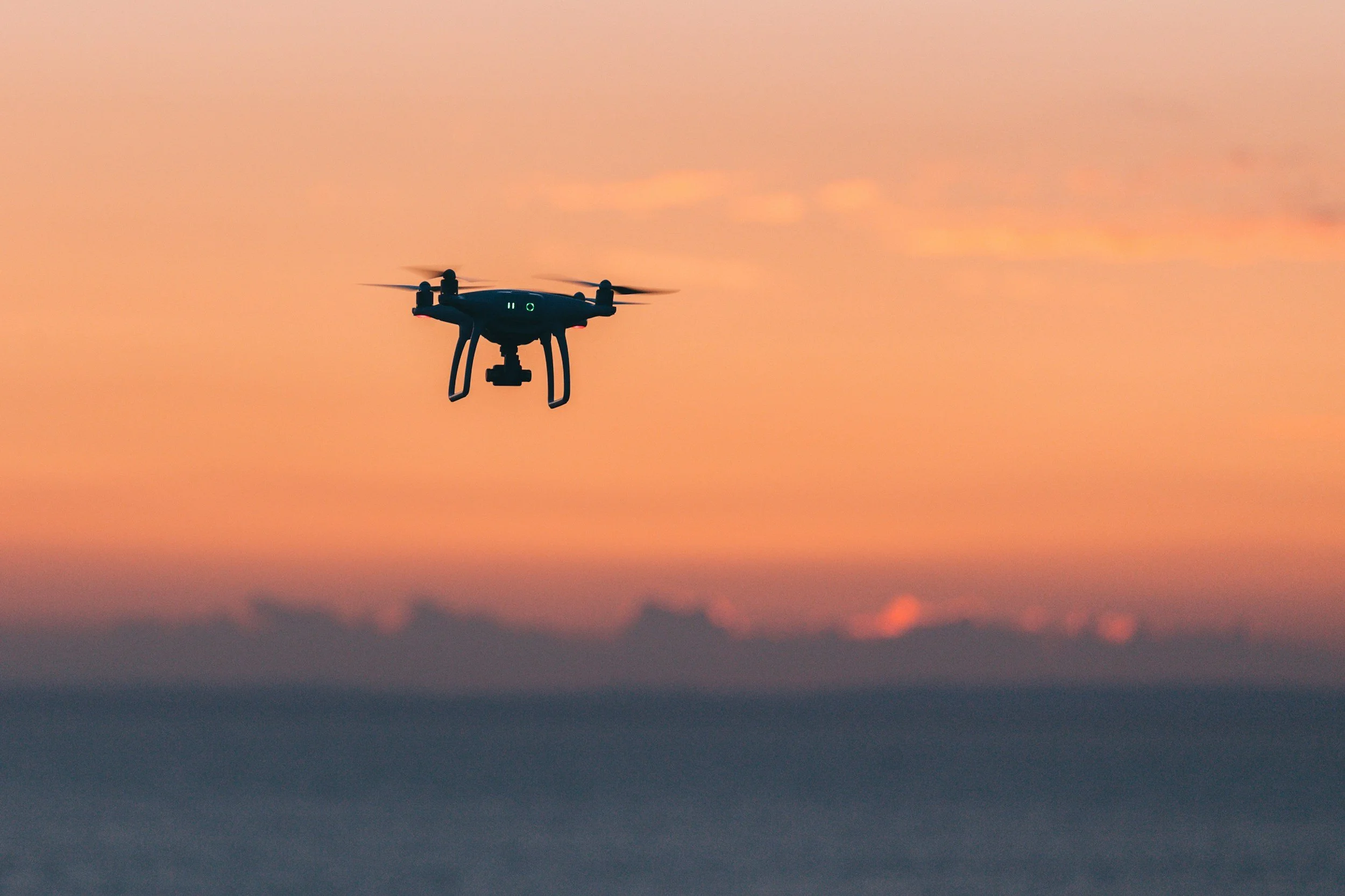
Image Credit: Sava Bobov | Splash
A former South Korean military commander emphasized the transformative potential of artificial intelligence in civilian drone applications during a keynote at Drone Show Korea 2025, reflecting South Korea’s ambition to lead in autonomous technologies amid regional and global developments.
Bo-Hyung Lee, previously the inaugural commander of South Korea’s Drone Operations Command and now a researcher at the Korea Aerospace Research Institute, spoke at the event, held from Feb. 26 to 28 at the Busan Exhibition and Convention Center (BEXCO). Drawing on his 35-year military career, Lee highlighted how AI integration is enhancing drone capabilities in non-military sectors.
The event, Asia’s largest drone exhibition with 306 companies from 15 countries, showcased innovations in unmanned systems, driven by South Korea’s strategic focus on AI and drones amid tensions with North Korea and competition with global powers like China and the United States.






















AI Enhances Civilian Drone Capabilities
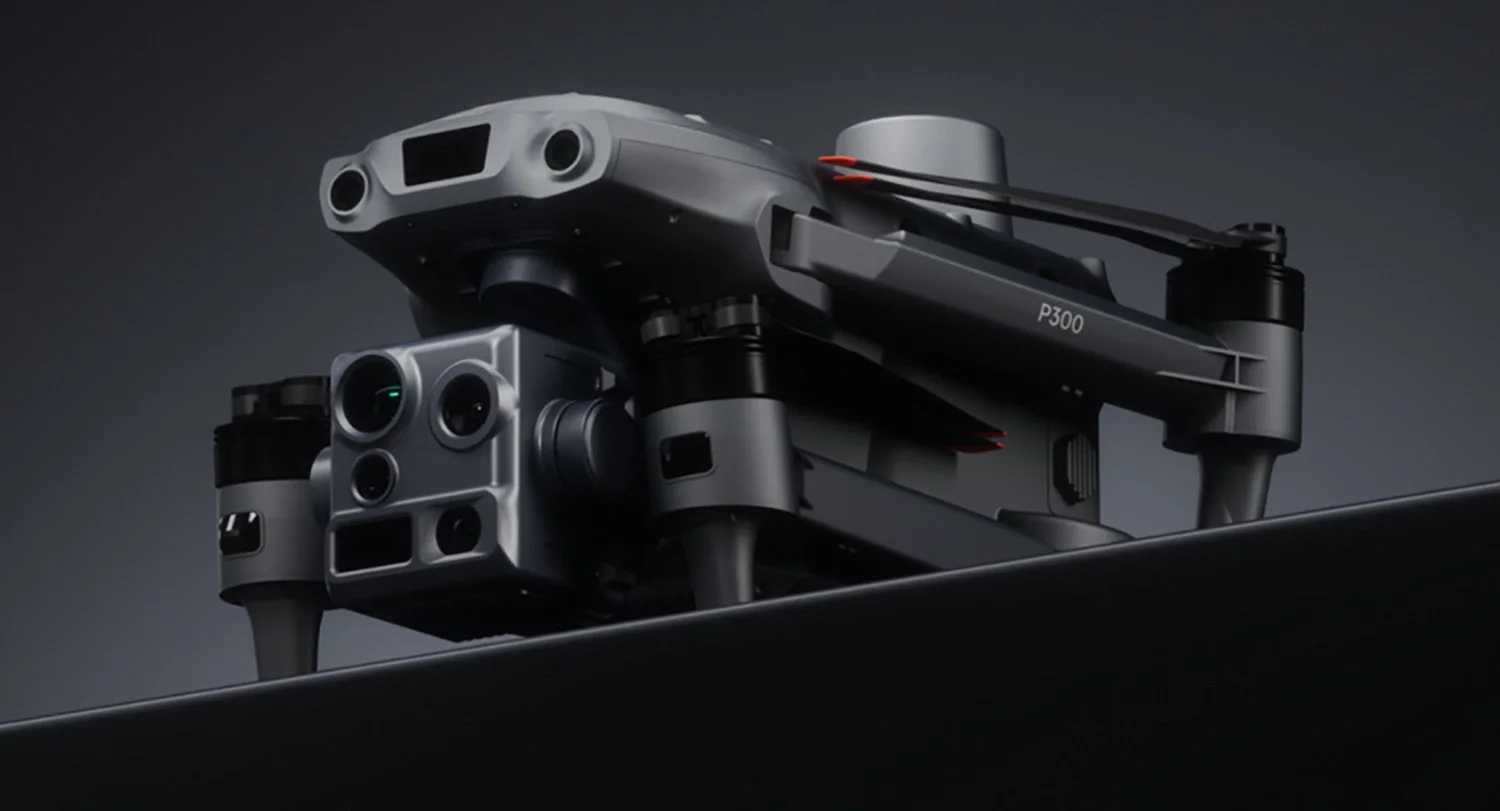
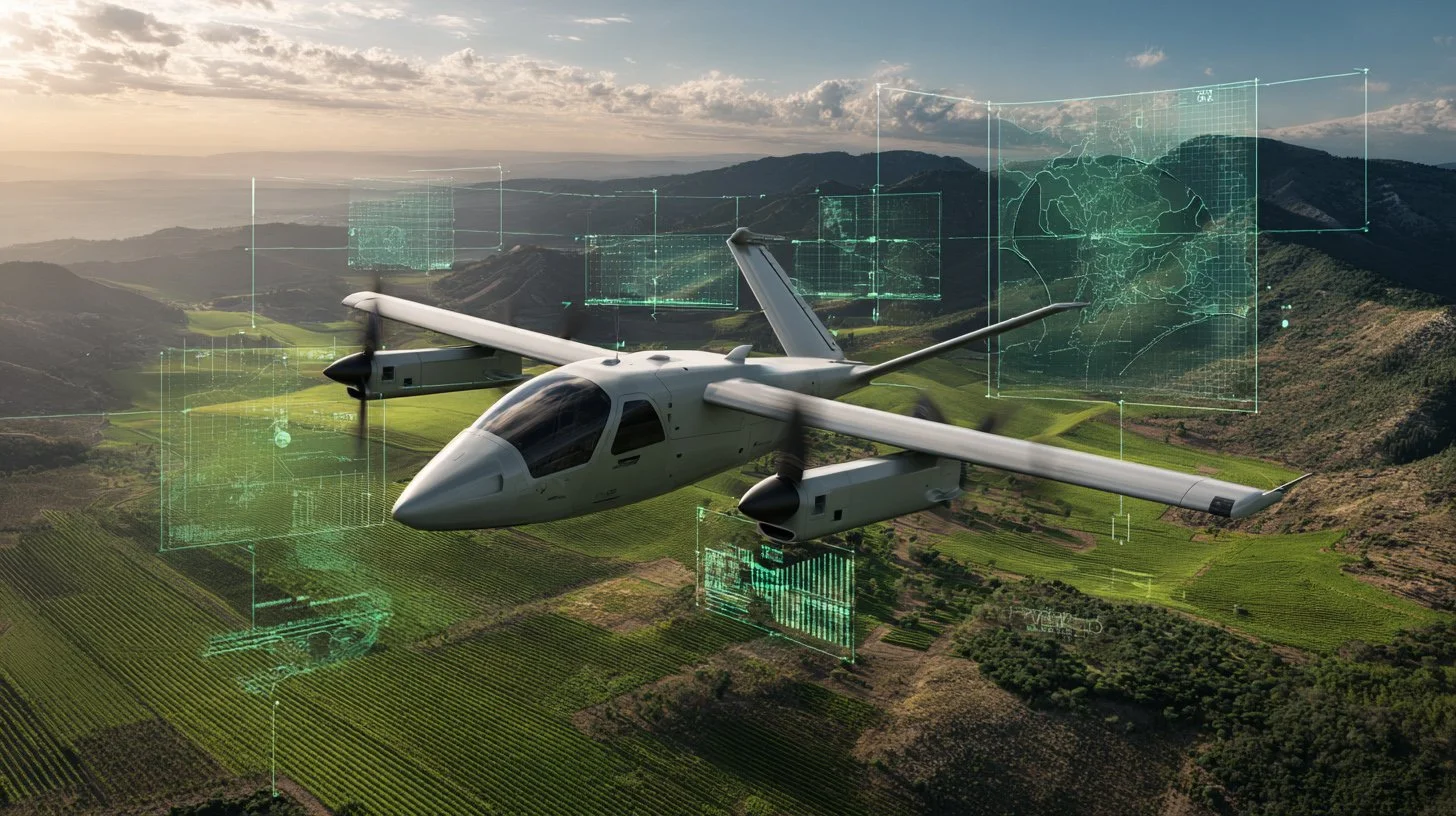
In agriculture, Lee noted that drones equipped with AI algorithms analyze aerial imagery to monitor crop health, identifying diseases or nutrient deficiencies. This enables precise application of fertilizers or pesticides, boosting yields while reducing environmental impact. Such systems are increasingly adopted in South Korea to address labor shortages in rural areas.
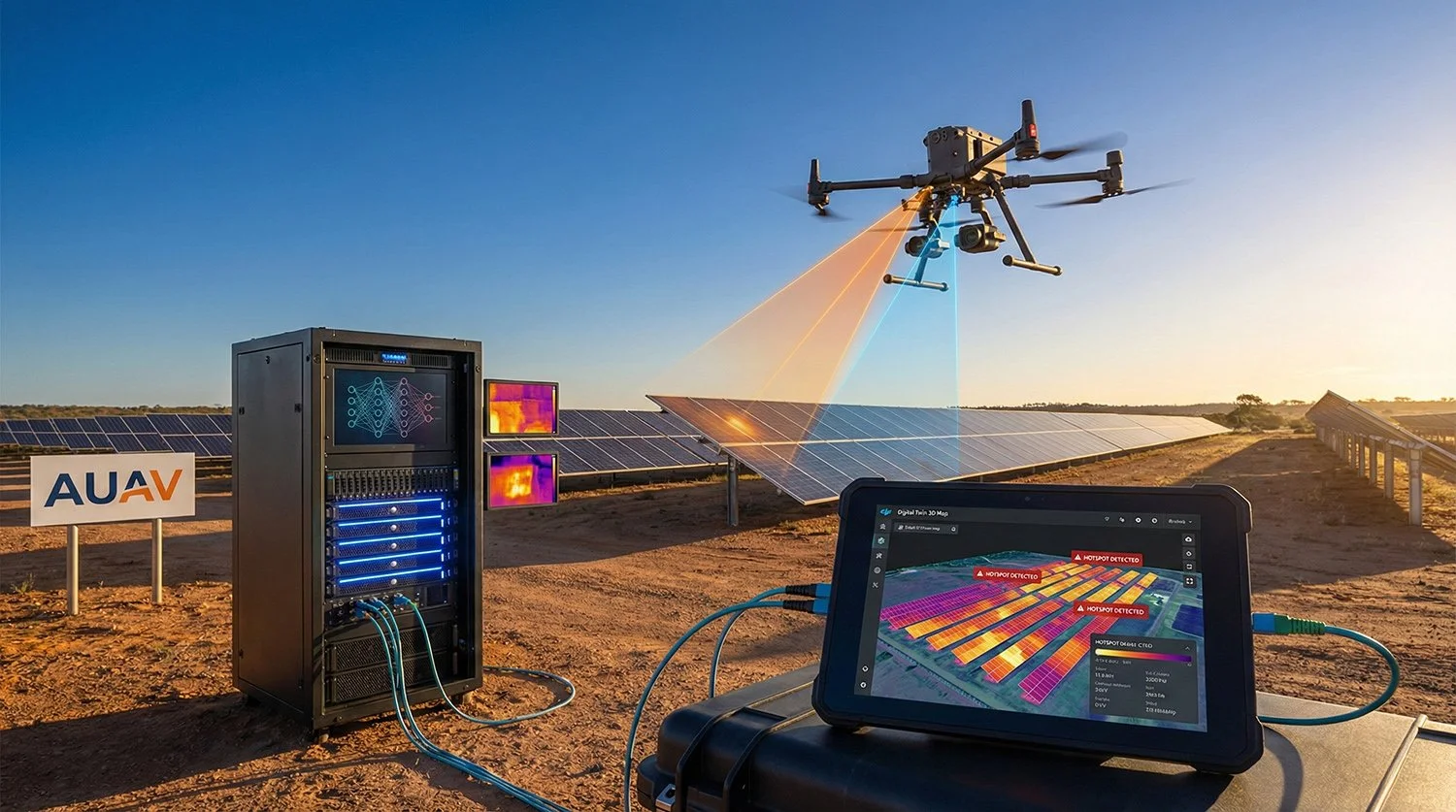
For infrastructure, AI-powered drones inspect high-risk sites like bridges and power lines, processing data in real-time to detect structural flaws, thereby enhancing safety by reducing human exposure to hazardous environments.
In disaster response, drones use AI to map affected areas, deliver emergency supplies, and employ predictive models to track events like wildfires or floods, aiding timely evacuations and resource allocation. These capabilities have been tested in South Korea’s disaster management frameworks.



















Opportunities and Risks
AI-driven drones offer significant benefits, including faster data analysis and operational efficiency, which can improve agricultural productivity, infrastructure maintenance, and disaster response outcomes.
However, broader industry concerns include privacy risks from drones collecting extensive visual and location data, necessitating stronger regulations to prevent misuse, analysts note. Automation may reduce jobs in sectors like farming and construction, a challenge for South Korea’s aging workforce. Ethical risks, such as biased AI decisions or unclear accountability in autonomous systems, highlight the need for transparent governance, according to experts.



















Strategic Context
South Korea’s focus on AI-drone integration builds on military advancements, with the Drone Operations Command established in 2023 to counter North Korean drone activities following border incursions. Civilian applications have since expanded through government-backed collaborations with industry and academia, aligning with national goals to bolster technological exports.
Globally, similar efforts in China and the U.S. highlight a race to develop autonomous systems, with South Korea leveraging its electronics expertise to compete in civilian and defense markets. North Korea’s reported AI-equipped drones add urgency to these developments.























Future Prospects
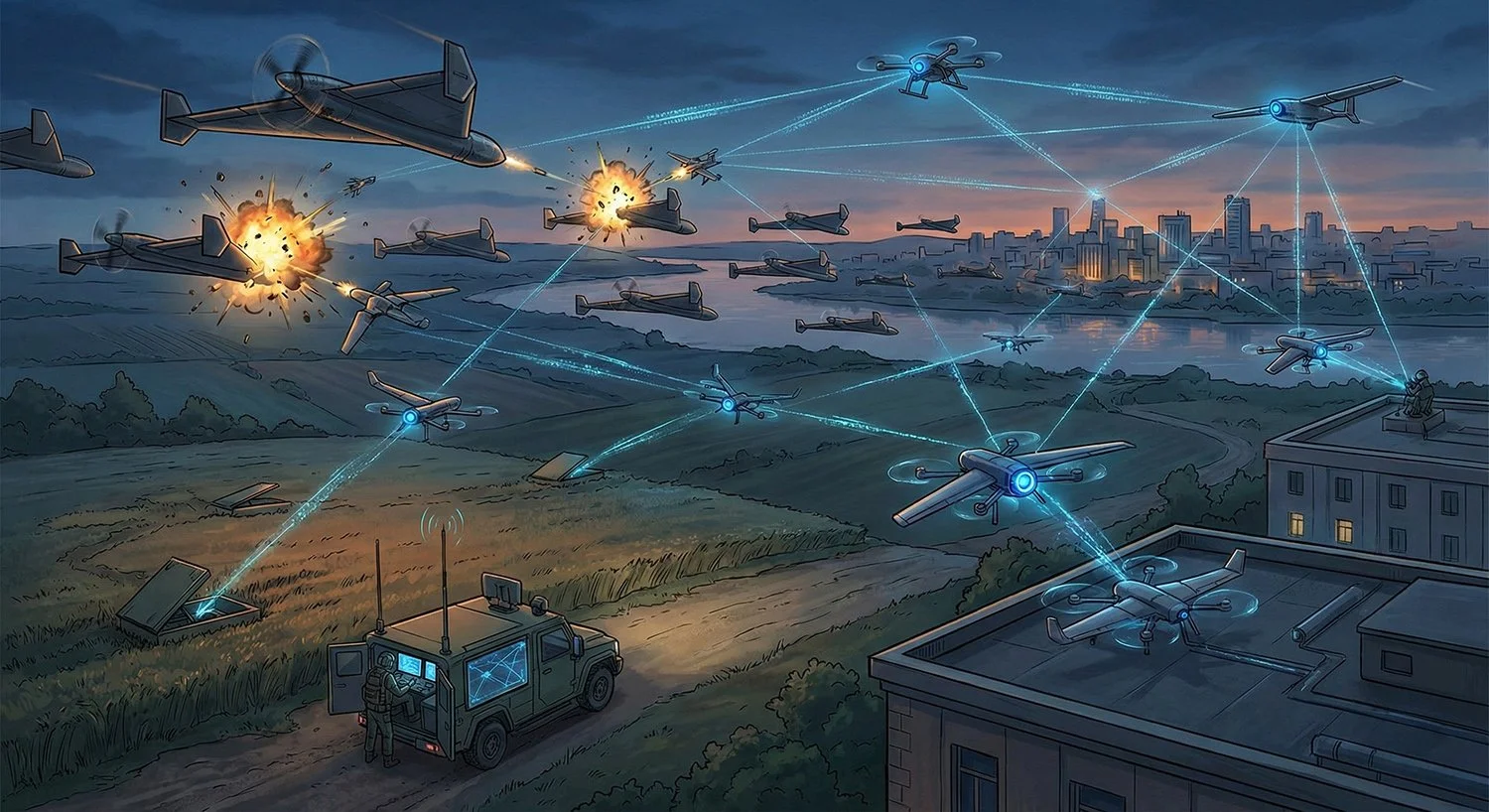
Lee projected that post-2025, advancements like brain-computer interfaces could allow operators to control drones via neural signals, merging human judgment with machine precision for complex tasks. Multi-drone coordination and greater autonomy are also expected, though regulatory delays and cybersecurity risks, such as hacking vulnerabilities, pose hurdles. Analysts stress that ethical frameworks and international standards will be critical to ensure responsible AI use, particularly as South Korea aims to balance innovation with public trust in a geopolitically sensitive region.

























Future Trends and Implications
Providers must prepare for the August 2, 2025, obligations, including non-EU firms appointing EU representatives. Fines for non-compliance vary by violation: up to €35 million or 7% of global annual turnover for prohibited AI practices, and up to 3% for GPAI-specific obligations, with full enforcement phasing in from August 2026. The Act's extraterritorial application positions the EU as a global standard-setter. Industry warnings suggest potential impacts on European competitiveness compared to less-regulated regions. Ongoing stakeholder engagement will be essential to adapt to technological changes and resolve issues like copyright enforcement.





























 TheDayAfterAI News
We are a leading AI-focused digital news platform, combining AI-generated reporting with human editorial oversight. By aggregating and synthesizing the latest developments in AI — spanning innovation, technology, ethics, policy and business — we deliver timely, accurate and thought-provoking content.