
Tulane Futurist Series Probes 95% AI ROI Gap and 1,000+ Qubit Quantum Future
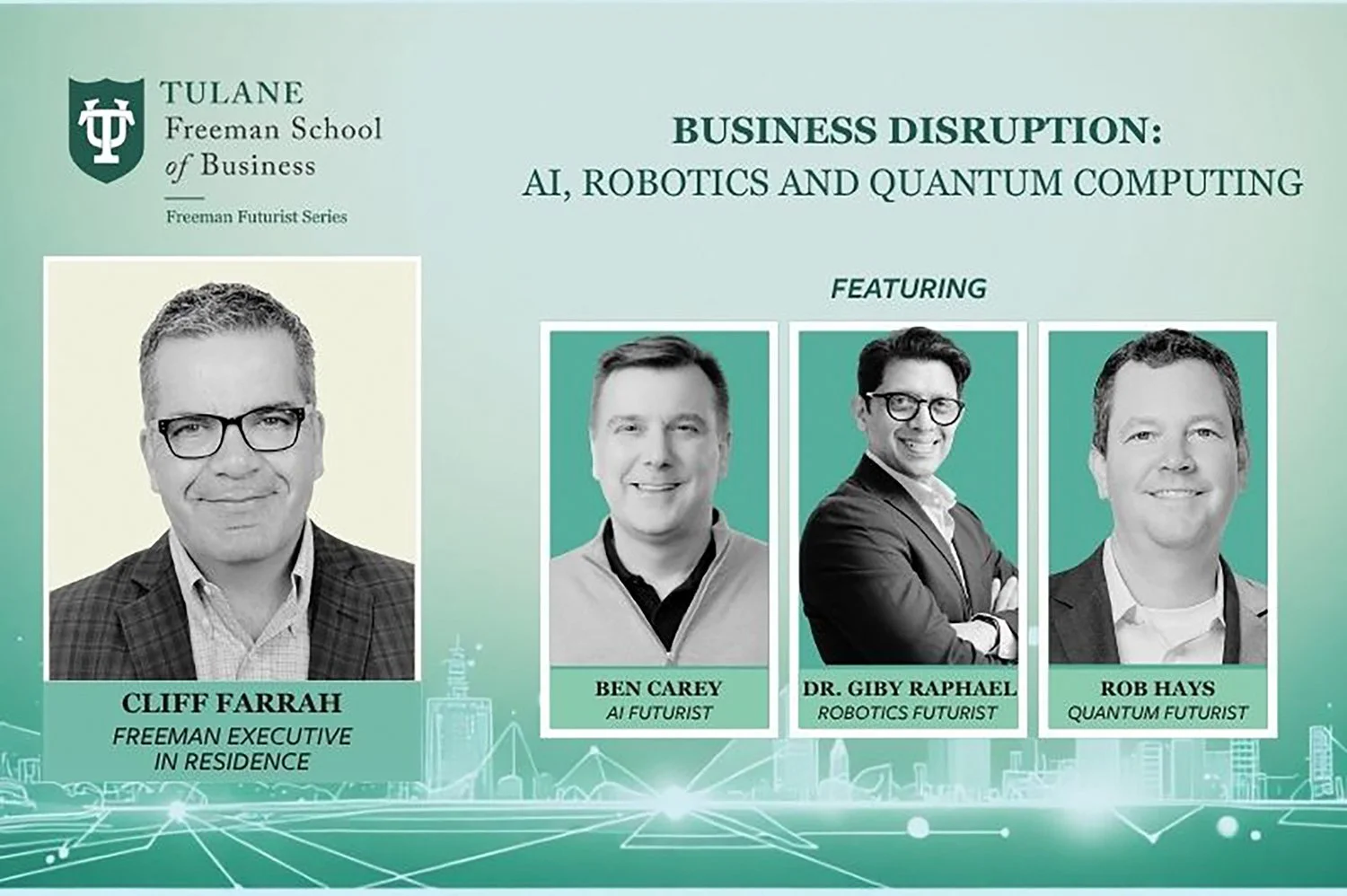
Image Source: Freeman School of Business, Tulane University
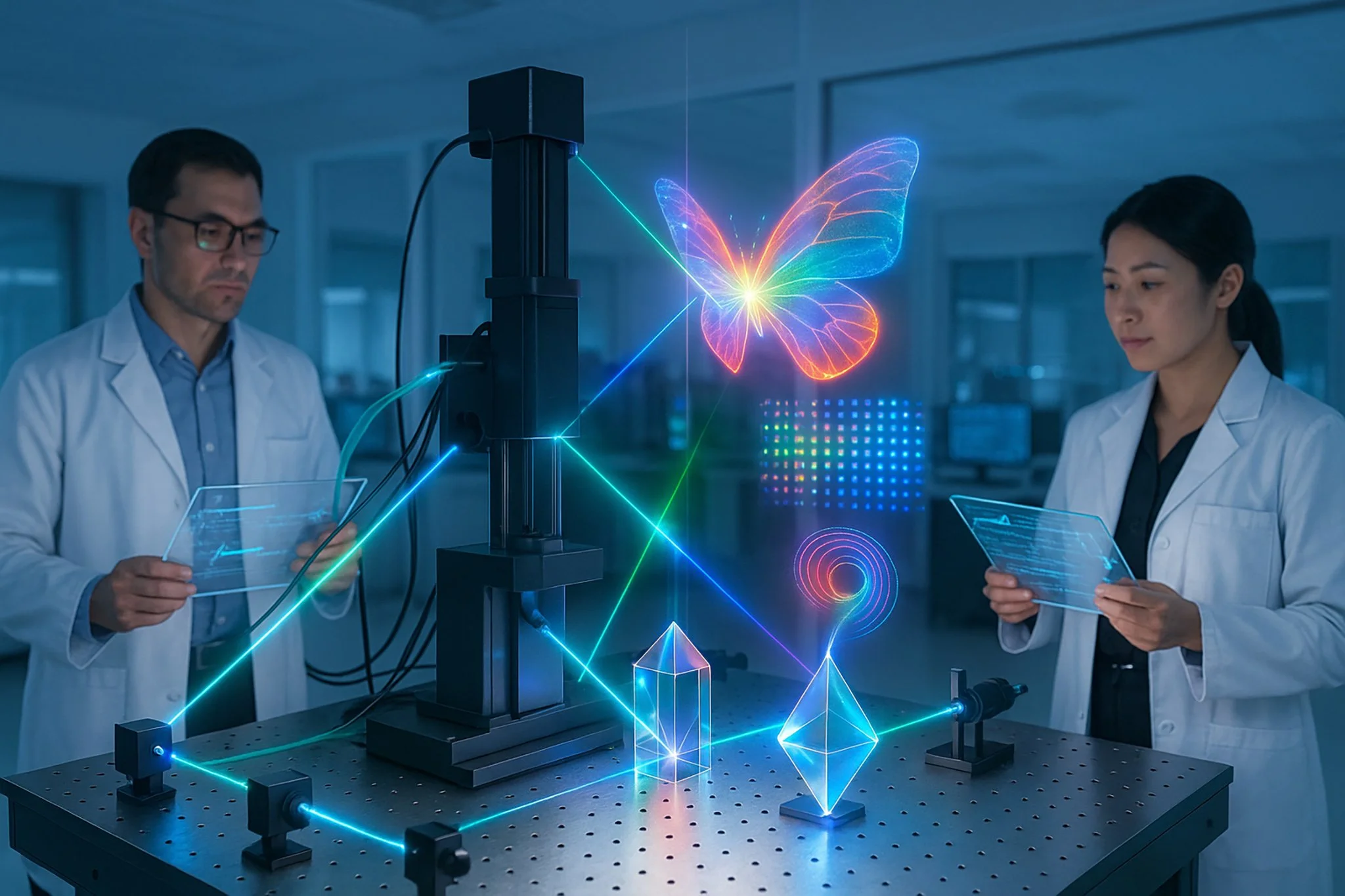
Tulane University’s A. B. Freeman School of Business has launched a new quarterly speaker series examining how rapidly advancing technologies, particularly artificial intelligence, robotics and quantum computing, are reshaping modern business. The inaugural session, held on October 16, brought together national industry leaders alongside members of the Tulane community to explore the real-world applications of these tools and the organisational changes required for their effective adoption.


















A New Platform for Technology-Driven Insights
The first instalment of the Freeman Futurist Series, titled Business Disruption: AI, Robotics and Quantum Technologies, was held at 6 p.m. in the Marshall Family Commons on Tulane’s uptown campus. The event, free and open to the public with advance registration due to limited seating, featured live demonstrations, applied AI case studies and an extended audience Q&A.
The series is presented by the Stewart Center for Professional & Executive Education with support from the R. W. Freeman Distinguished Lecture Series Endowment Fund. According to Tulane, the first three events will focus on technology, healthcare and private equity, with all sessions to be recorded for digital distribution across university channels.
The topics were shaped through discussions between moderator Cliff Farrah, Executive-in-Residence at the Freeman School and Accenture’s Chief Strategy Officer for Global Corporate Strategy and Growth, Dean Paulo Goes, and Assistant Deans Ashley Francis and Brent Rosen.
Farrah opened the program by highlighting structural pressures on today’s workforce. Citing U.S. demographic changes, early retirements and pandemic-related losses, he argued that these constraints are intensifying the need for scalable solutions such as AI-driven automation and robotics.














AI and Robotics: Addressing Labour Gaps Through Automation
Giby Raphael, CEO of Revobots, presented the first technology demonstration of the evening. He explained how AI-powered imitation learning enables robots to acquire skilled behaviours by observing human demonstrations, an approach that helps overcome data limitations in training complex tasks.
Raphael told the audience that industry projections point to as many as 85 million unfilled blue-collar jobs globally by the end of the decade. He said robotics is well positioned to address shortages across the “four D” categories of work — dirty, dexterous, dangerous and dull.
To accelerate adoption, he emphasised the importance of affordability: robots, he argued, must “not cost more than a laptop” if they are to become commonplace in households and factories.
Farrah added that robotics serves as the “physical arm” of digital AI systems. He predicted that the next five to ten years will be pivotal, with U.S. companies well positioned to lead large-scale deployment as hardware and AI models continue to improve.















AI Adoption and the Productivity Challenge
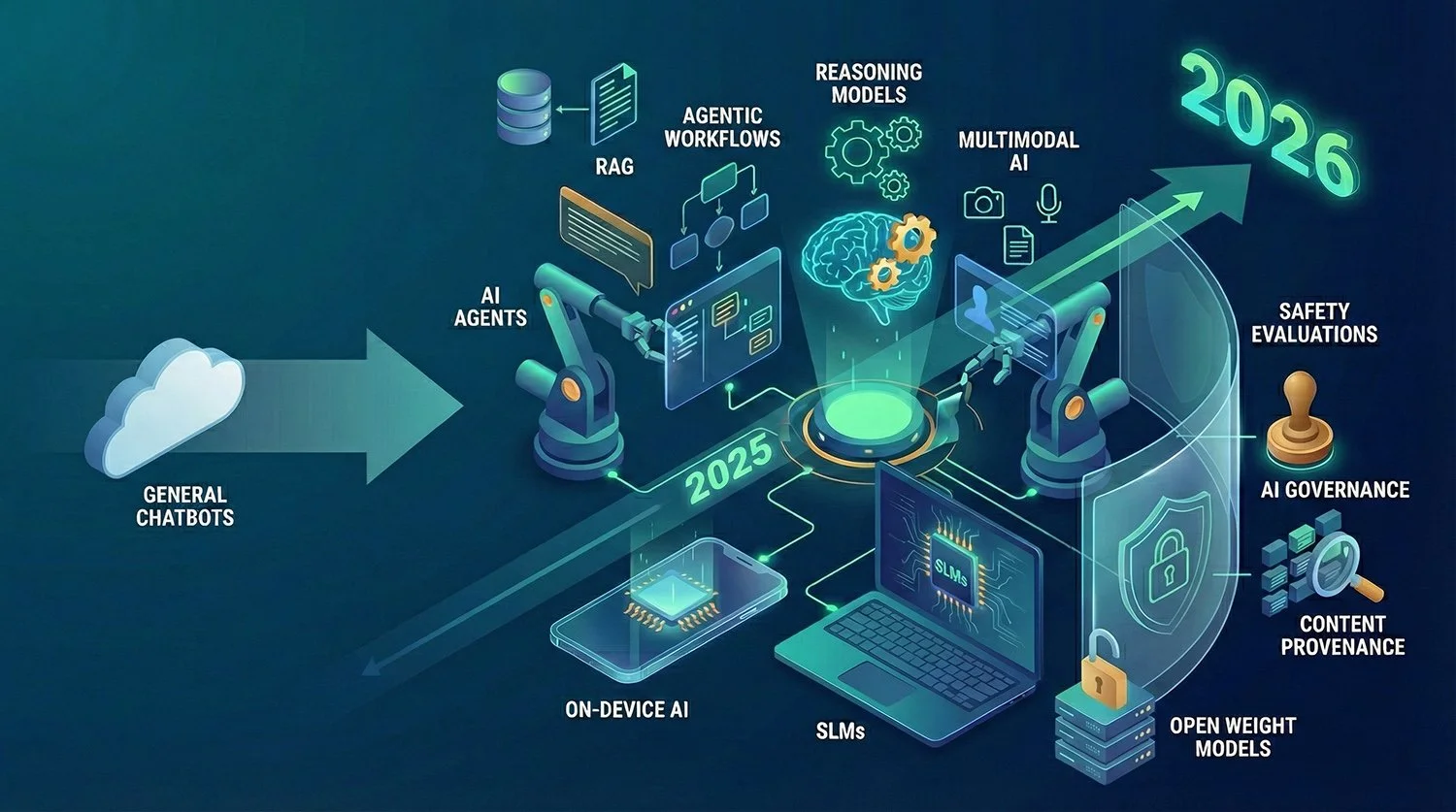
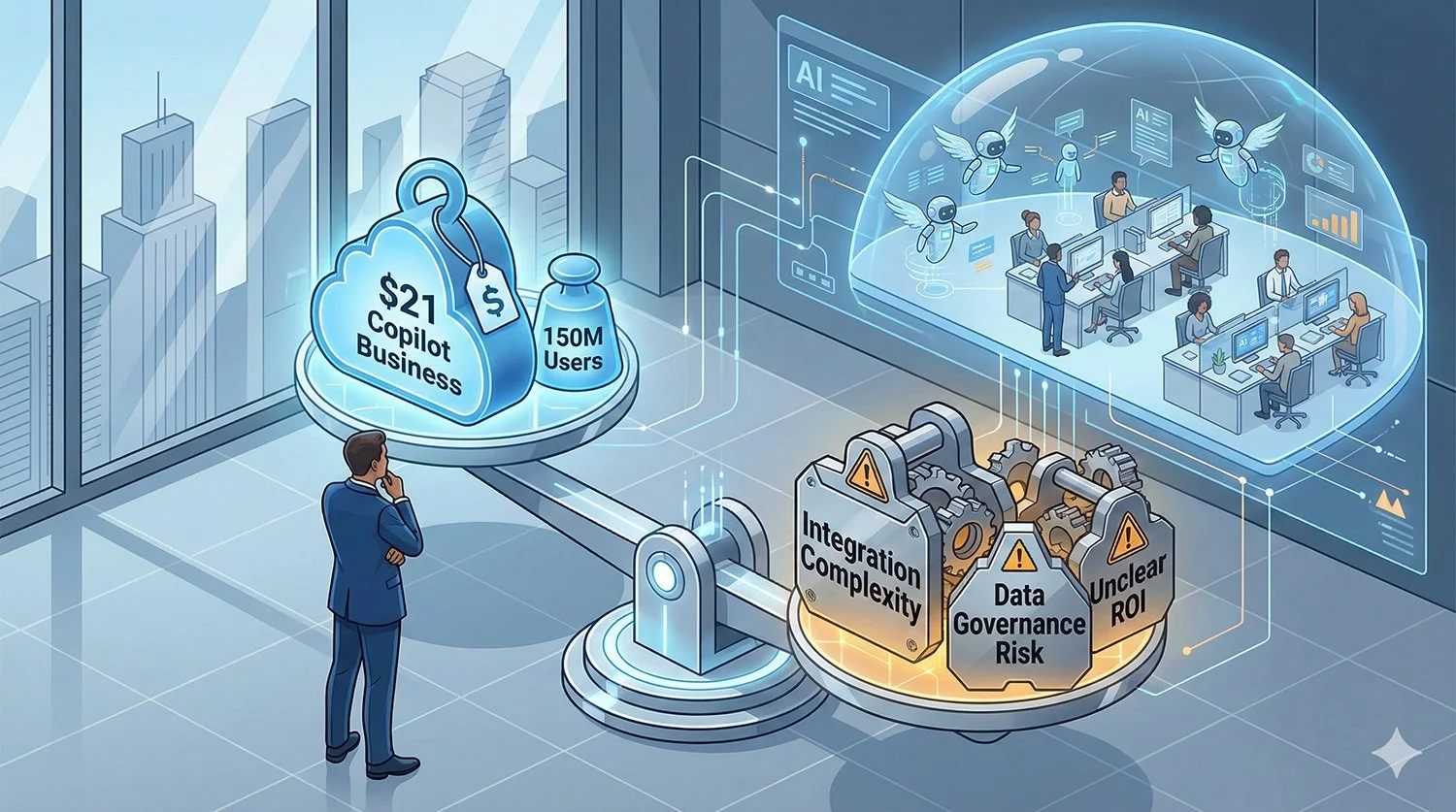
Tulane alumnus Ben Carey, Senior Managing Director at Accenture, shifted the discussion to enterprise AI strategy. He referenced a recent MIT NANDA study showing that 95% of companies report no measurable return on their AI investments, primarily because these initiatives remain siloed in pilot projects rather than embedded into redesigned workflows.
“Unless you’re actually changing the work”, Carey noted, “you’re not creating value”. He stressed the need for organisations to modernise processes, establish governance structures and ensure clear ownership of AI tools.
Farrah echoed this perspective, observing that professionals who can integrate AI effectively into their roles are already seeing salary premiums of 25% to 50% across many positions.
Audience questions from faculty and attendees prompted further discussion on cross-industry applications, talent needs and the organisational mindset required for successful AI transformation.





















Quantum Computing’s Growing Role in Smarter Systems
The programme concluded with insights from Rob Hays, former CEO of Atom Computing and a recognised quantum-technology futurist. He described how quantum computing is beginning to intersect with finance, pharmaceuticals and logistics, enabling new forms of optimisation and simulation.
Current quantum systems already exceed 1,000 qubits, with some commercial systems, such as D-Wave’s, operating well above that threshold. These machines are being used to solve practical problems today, including complex optimisation tasks.
Hays highlighted drug discovery as a key application, explaining that quantum simulations of molecular interactions could significantly shorten research timelines. He added that future million-qubit enterprise systems, working in tandem with classical high-performance computing in hybrid architectures, may unlock new advances in AI, modelling and automation.
Farrah noted that while long-term forecasting carries uncertainty, the next decade represents a reliable planning horizon during which quantum-enabled analytics and AI are expected to reshape digital infrastructure across industries.









Looking Ahead: Preparing for a Rapidly Evolving Landscape
The Freeman Futurist Series reflects Tulane’s commitment to preparing students, alumni and business leaders for rapid technological change. Farrah emphasised that professionals today may change career paths multiple times, making forward-looking skill development critical.
The next event in the series, focused on healthcare disruption, is scheduled for January 22, 2026, continuing Tulane’s effort to deliver practical, expert-led insights on the technologies reshaping global industries.
Through panels like this inaugural session, the university aims to foster informed dialogue around AI, robotics and quantum computing, equipping attendees with strategic perspectives for navigating an increasingly complex digital landscape.






























 TheDayAfterAI News
We are a leading AI-focused digital news platform, combining AI-generated reporting with human editorial oversight. By aggregating and synthesizing the latest developments in AI — spanning innovation, technology, ethics, policy and business — we deliver timely, accurate and thought-provoking content.