
Women in AI Australia Launches: 3 Founders Tackle Tech Gender Gap
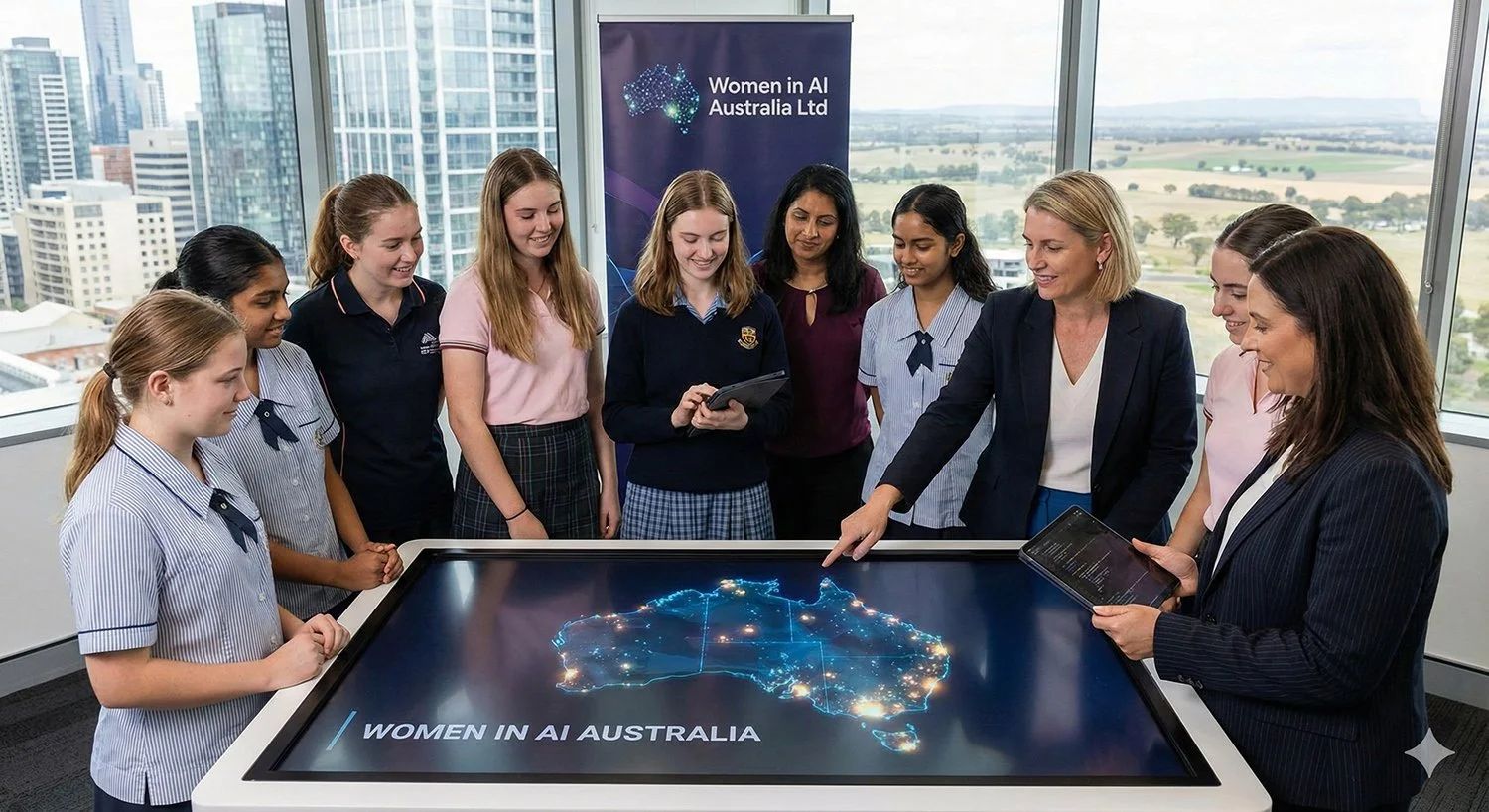
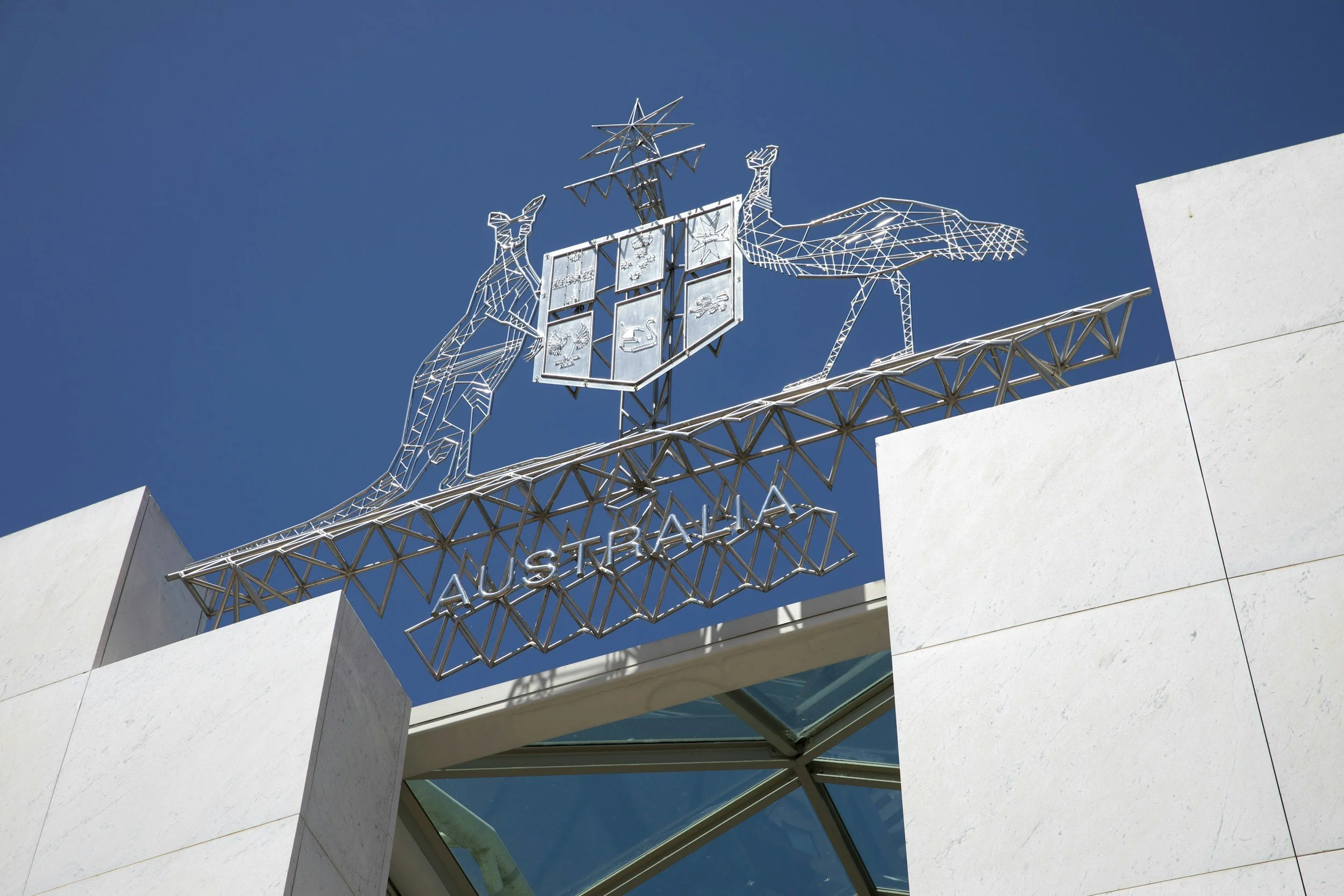
AI-generated Image for Illustration Only
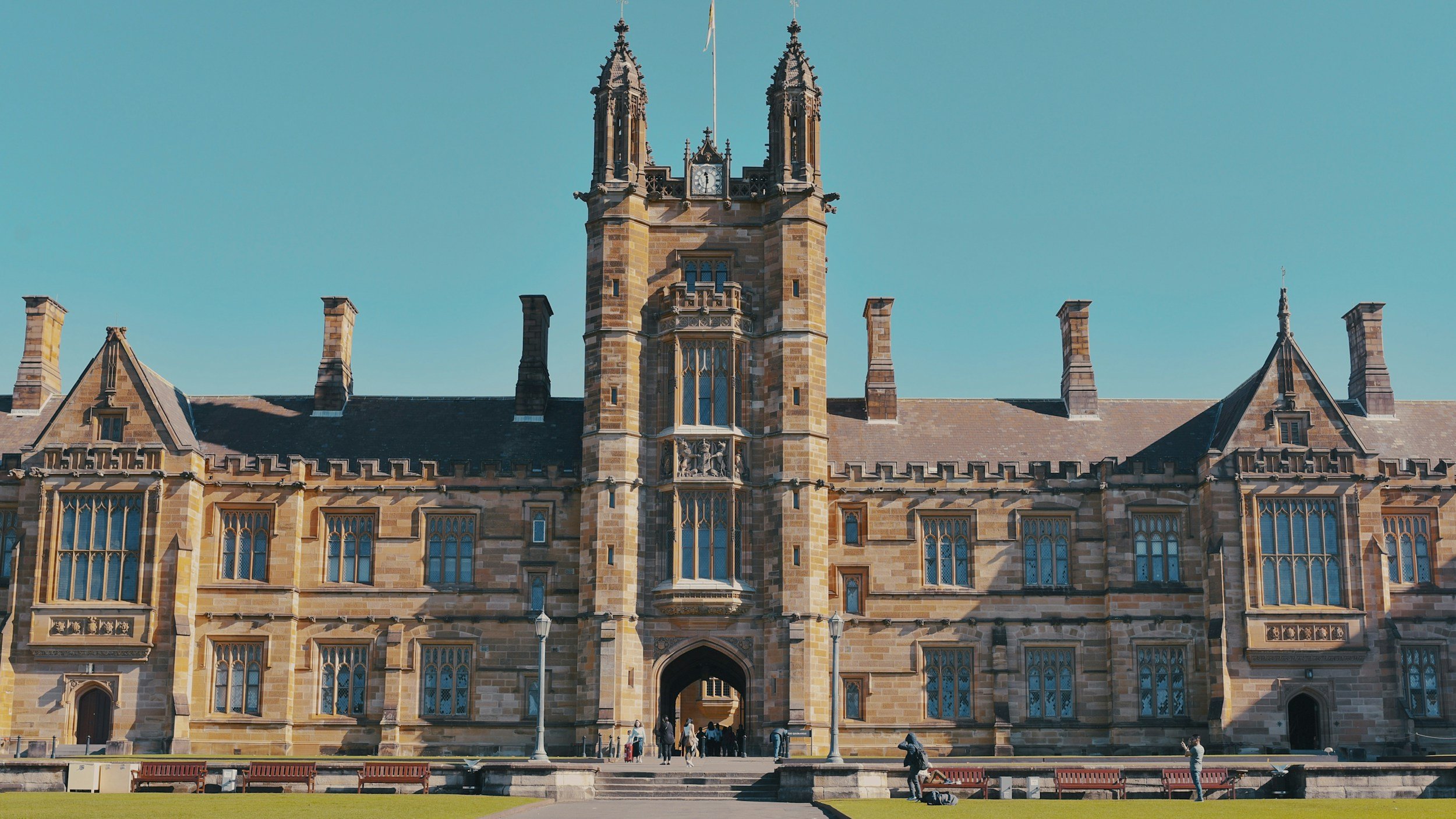
(Credit: Jacky Lee)
Women in AI Australia, a new not-for-profit organisation, has launched to boost female involvement in artificial intelligence at a time when the sector continues to grapple with persistent gender imbalances in technical roles and leadership pipelines.
Registered as Women in AI Australia Ltd, the group aims to build mentorship, skills and professional networks for girls and women across schools, universities, businesses and local communities. Its agenda includes workshops, forums and advocacy aimed at increasing participation while promoting transparent, responsible and safe AI adoption.
Although the organisation’s launch event took place in late November 2025, its public rollout lands amid heightened national attention on inclusion following the Australian government’s National AI Plan, released on December 2, 2025, which calls for targeted support to close digital divides affecting women and other underrepresented groups.






















Founders Bring Education, Regional Outreach and Ethical AI Focus
Women in AI Australia was established by three founders with complementary backgrounds spanning education technology, community development and AI practice.
Nikki Meller, chief executive of education technology firm CREDuED, has worked on upskilling programs for emerging technologies. Amanda Rose, a consultant focused on small business and regional communities, brings experience in outreach beyond major cities. Dr Juliana Peloche, an AI specialist, contributes expertise in responsible system design and real-world AI integration.
The founders have positioned the organisation around the idea that broader representation is essential to prevent bias and ensure AI systems reflect the needs of Australians in both metropolitan and regional contexts.











A local Response to a Global Underrepresentation Problem
The launch adds momentum to efforts worldwide to correct AI’s gender gap. International analyses have consistently found that women make up roughly a quarter of data and AI roles, while other global reviews place women closer to one-fifth to one-quarter of the AI workforce overall. These gaps have raised concerns not only about workforce equality but also about the real-world performance of AI systems trained on skewed data.
The issue is increasingly viewed as a practical design and safety problem. Biased datasets can result in uneven outcomes in applications such as recruitment screening, health tools and consumer finance. The risks are especially salient as generative AI is deployed more rapidly across public-facing services.






















Australia’s Pipeline Challenge Remains Stark
Australia reflects many of these global patterns. Women account for around 37 percent of university STEM enrolments, yet the figure falls sharply in the workforce, with women holding a much smaller share of STEM-qualified roles. Within the broader technology economy, women represent about one-fifth of the highly technical workforce, indicating a persistent drop-off from education to long-term careers.
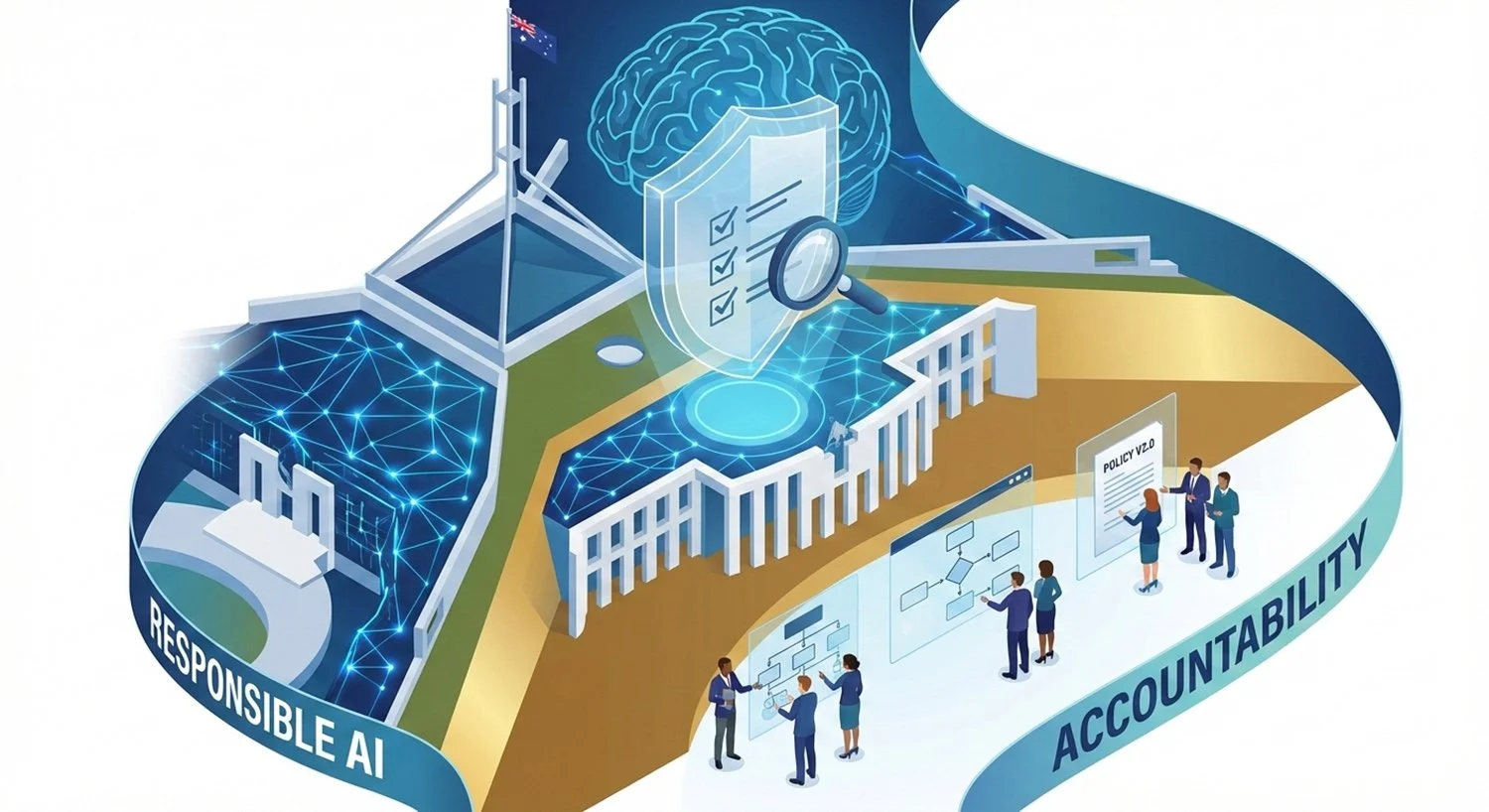
The National AI Plan explicitly names women, First Nations people, people with disability and regional communities among priority groups for AI literacy and capability-building, framing inclusion as a national competitiveness and fairness issue alongside safety and productivity goals.
























Early Programs Focus on Practical Skills and Community Access
Women in AI Australia has already been visible in National AI Week programming, hosting a forum in late November featuring discussions on responsible AI use across sectors. The group has outlined plans for hands-on learning activities, including introductory and intermediate workshops for educators, students and early-career professionals, alongside mentoring pathways linking established AI practitioners with emerging talent.
A key theme is regional reach. The organisation has signalled an intention to work with community partners outside capital cities to reduce the risk that AI adoption deepens existing gaps in access to training, infrastructure and professional networks.
Funding is expected to come from memberships, sponsorships and grants, with an emphasis on keeping entry barriers low through community-led and open-resource approaches.
















How the Group Fits into a Growing Ecosystem
Women in AI Australia joins an expanding landscape of initiatives designed to improve digital inclusion and safe AI use. Programs such as Digital Sisters and related AI literacy efforts have targeted migrant and refugee women and other communities underrepresented in formal tech pipelines. At the same time, broader APAC-based women-in-AI networks and awards have continued to elevate individual achievement and industry visibility.
Women in AI Australia’s distinct contribution appears to be its national, not-for-profit emphasis on sustained capability-building and policy-aware advocacy. The group also says it is the first Australian not-for-profit dedicated solely to women’s participation and leadership in AI, positioning itself as a bridge between grassroots training and national policy objectives.























Challenges and Near-term Expectations
Like many volunteer-anchored organisations, Women in AI Australia may face familiar hurdles around long-term funding, member retention and the workload required to run national programs across varied communities. Competition for sponsorship and public attention is also likely to intensify as corporate and government-backed AI initiatives expand.
Still, the timing could work in its favour. With the National AI Plan setting a policy backdrop and public interest in AI safety rising, a dedicated national organisation focused on women’s participation may help convert inclusion goals into practical pathways for training, mentorship and career progression.





























 TheDayAfterAI News
We are a leading AI-focused digital news platform, combining AI-generated reporting with human editorial oversight. By aggregating and synthesizing the latest developments in AI — spanning innovation, technology, ethics, policy and business — we deliver timely, accurate and thought-provoking content.