
Peak Ji Named to MIT Technology Review’s 2025 Innovators Under 35 for AI Agent Advances

Image Credit: Juliana Tan | Technology Review
Yichao "Peak" Ji, cofounder and chief scientist of Butterfly Effect, the company behind Manus AI, has been named to MIT Technology Review's 2025 Innovators Under 35 list for his contributions to artificial intelligence agents that integrate reasoning with practical execution. The 32-year-old entrepreneur's work on the Manus app, which gained rapid global attention upon its March launch, exemplifies efforts to make AI more actionable in everyday scenarios.
The annual list, announced on 8 September, highlights young researchers, inventors and business leaders advancing technology across fields including AI, biotechnology and climate solutions. Ji's inclusion in the AI category underscores the growing emphasis on autonomous systems that go beyond mere data processing to perform tasks independently.























Background of Peak Ji and Butterfly Effect
Born in China around 1993, Ji spent part of his early childhood in Boulder, Colorado, where his father held a visiting scholar position, before returning to Beijing in second grade. His exposure to technology came early, influenced by his parents — a professor and an IT professional — fostering an interest in programming and innovation. Educated in both the US and China, Ji founded Peak Labs at age 20 in 2013, developing products like the Mammoth mobile browser and data visualisation tools, backed by investors such as Sequoia and Zhenfund.
In 2022, Ji cofounded Butterfly Effect in China alongside CEO Xiao Hong, a software engineering graduate from Huazhong University of Science and Technology. The company, which also created the Monica AI assistant, focuses on building general AI agents as an "action engine" to extend human capabilities. Butterfly Effect relocated its headquarters to Singapore in July 2025 amid US chip export restrictions, with the cofounders moving there as well. Manus aims to provide tools accessible to non-engineers, prioritising intelligence over rigid structures in AI design.





















Development and Launch of Manus
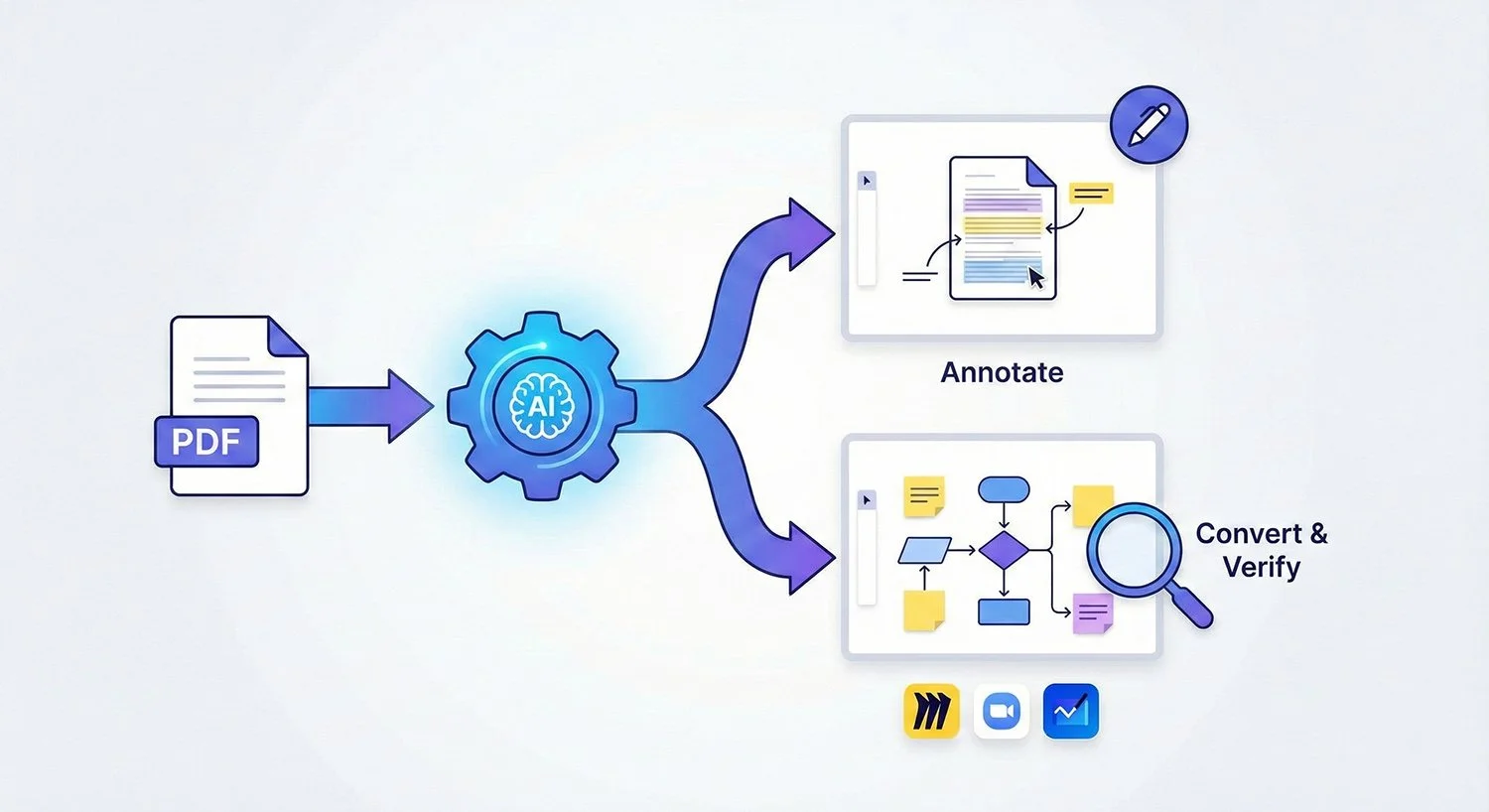
Manus emerged from the vision to create a thinking partner that aids in idea creation, exploration and expression. Drawing on large language models, the agent handles complex tasks autonomously, such as scheduling or data analysis, by combining cognitive planning with direct action via APIs or interfaces. This approach addresses limitations in earlier AI systems, which often excelled at understanding but struggled with real-world application.
The app's preview launch on 6 March 2025, featured in a video where Ji spoke in English, unexpectedly went viral across Chinese and international platforms. Within a week, it amassed a waiting list of about two million users, reflecting strong demand for practical AI tools amid rapid advancements in the field. Ji's decade-plus experience in blending technical depth with user-friendly design played a key role in this swift adoption.


















Reasons for the Recognition
MIT Technology Review selected Ji for his role in advancing AI agents that effectively bridge thought and deed, a critical evolution in the technology. The honour stems from Manus's demonstration of how AI can operate while users rest, automating workflows in areas like logistics or customer service. Judges, including experts in computer science, evaluated nominees on innovation potential and real-world impact, with Ji's work standing out for its modular, scalable design that adapts to varied tasks.
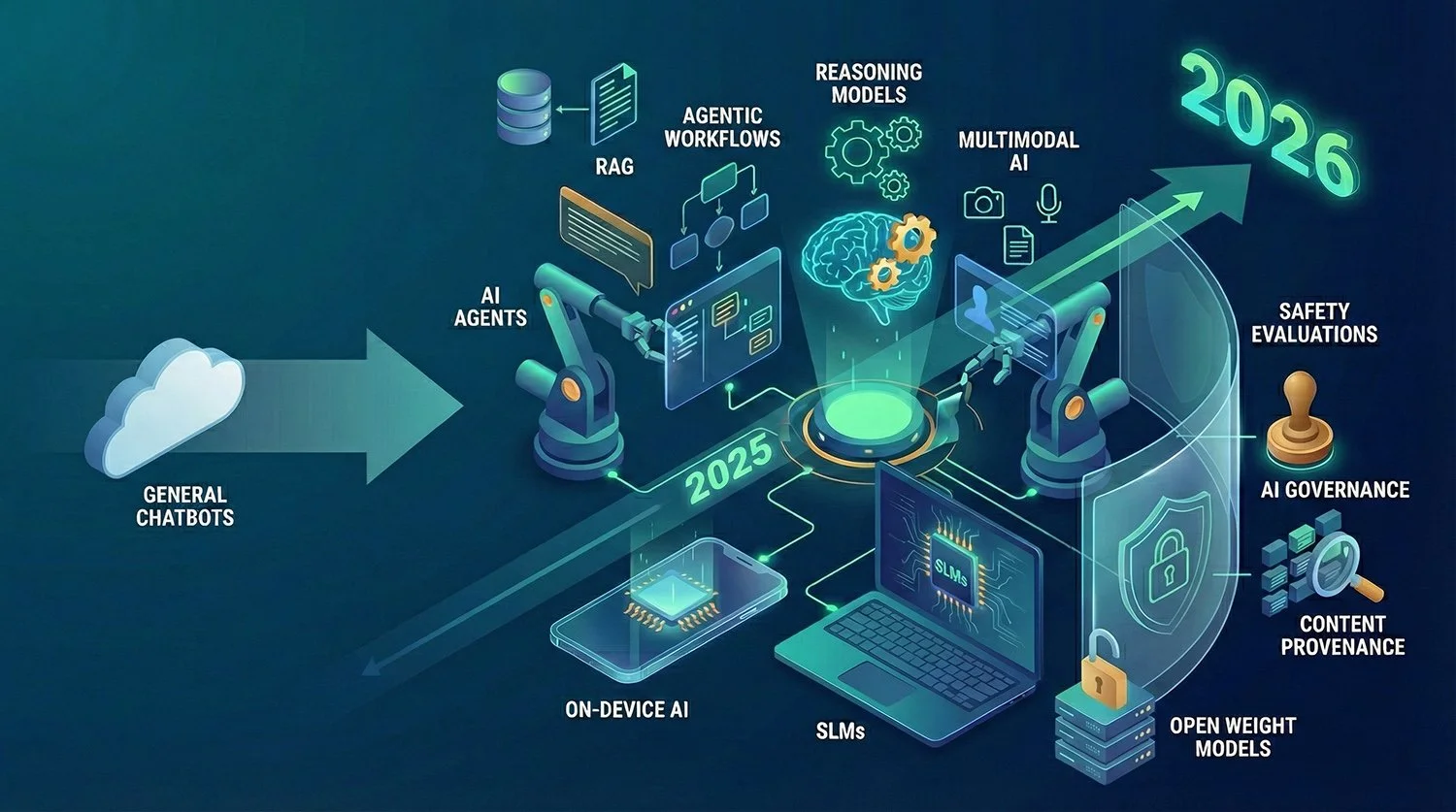
This aligns with broader AI trends, where early ideas from rule-based systems have given way to learning-driven models, enabling more adaptive agents. Ji's contributions build on these foundations, emphasising ethical integration and productivity enhancement without overreliance on human input.





























Impact on the AI Landscape
Ji's innovations through Manus have influenced how AI is perceived and applied, shifting focus from passive tools to proactive systems that boost efficiency in business and personal contexts. The app's growth signals market readiness for autonomous agents, potentially streamlining operations in sectors facing labour shortages or complex demands. By making AI more accessible, Manus contributes to democratising technology, allowing broader adoption beyond tech specialists.
On a global scale, this work, from a company with Chinese roots now headquartered in Singapore, highlights Asia's rising prominence in AI development, challenging US dominance while fostering cross-border collaboration. However, it also raises discussions on ethical implications, such as data privacy and job displacement, as agents handle increasingly sensitive tasks.




















Future Trends in AI Agents
Looking ahead, Ji's approach points to a trajectory where AI agents become integral to daily life, evolving toward greater autonomy and integration with robotics or IoT systems. Industry observers anticipate accelerated investment in such technologies, driven by successes like Manus, potentially leading to standardised frameworks for agent development. Challenges remain in ensuring reliability and addressing biases inherited from training data, areas where ongoing research will be crucial.
As AI continues to mature, innovations like those from Ji could pave the way for hybrid human-AI workflows, enhancing creativity and problem-solving on a wider scale.








































 TheDayAfterAI News
We are a leading AI-focused digital news platform, combining AI-generated reporting with human editorial oversight. By aggregating and synthesizing the latest developments in AI — spanning innovation, technology, ethics, policy and business — we deliver timely, accurate and thought-provoking content.