
AI Giants Release 3 Major Upgrades in One Week: GPT-5.1, Grok 4.1 and Gemini 3 Pro
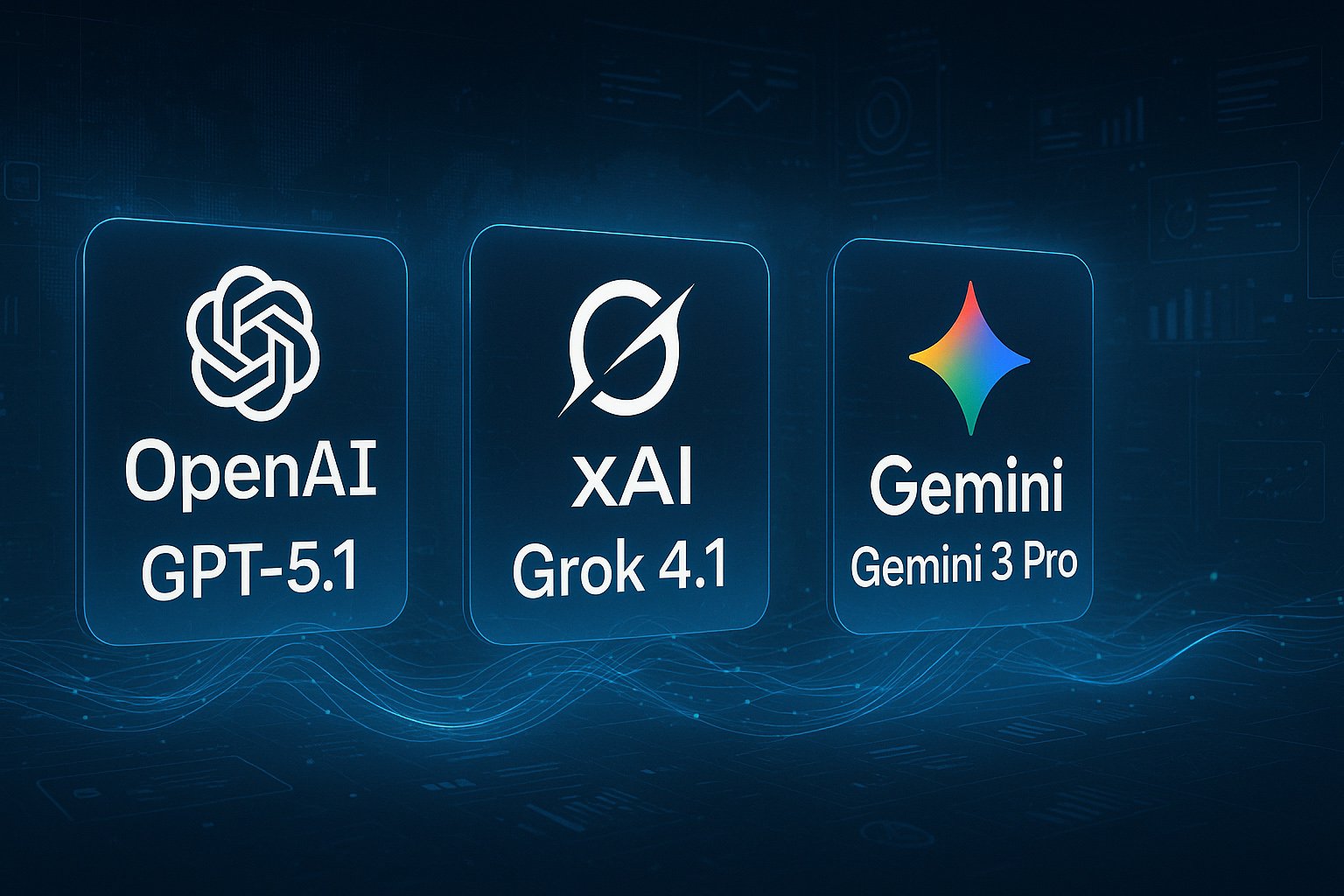
Image Credit: Jacky Lee
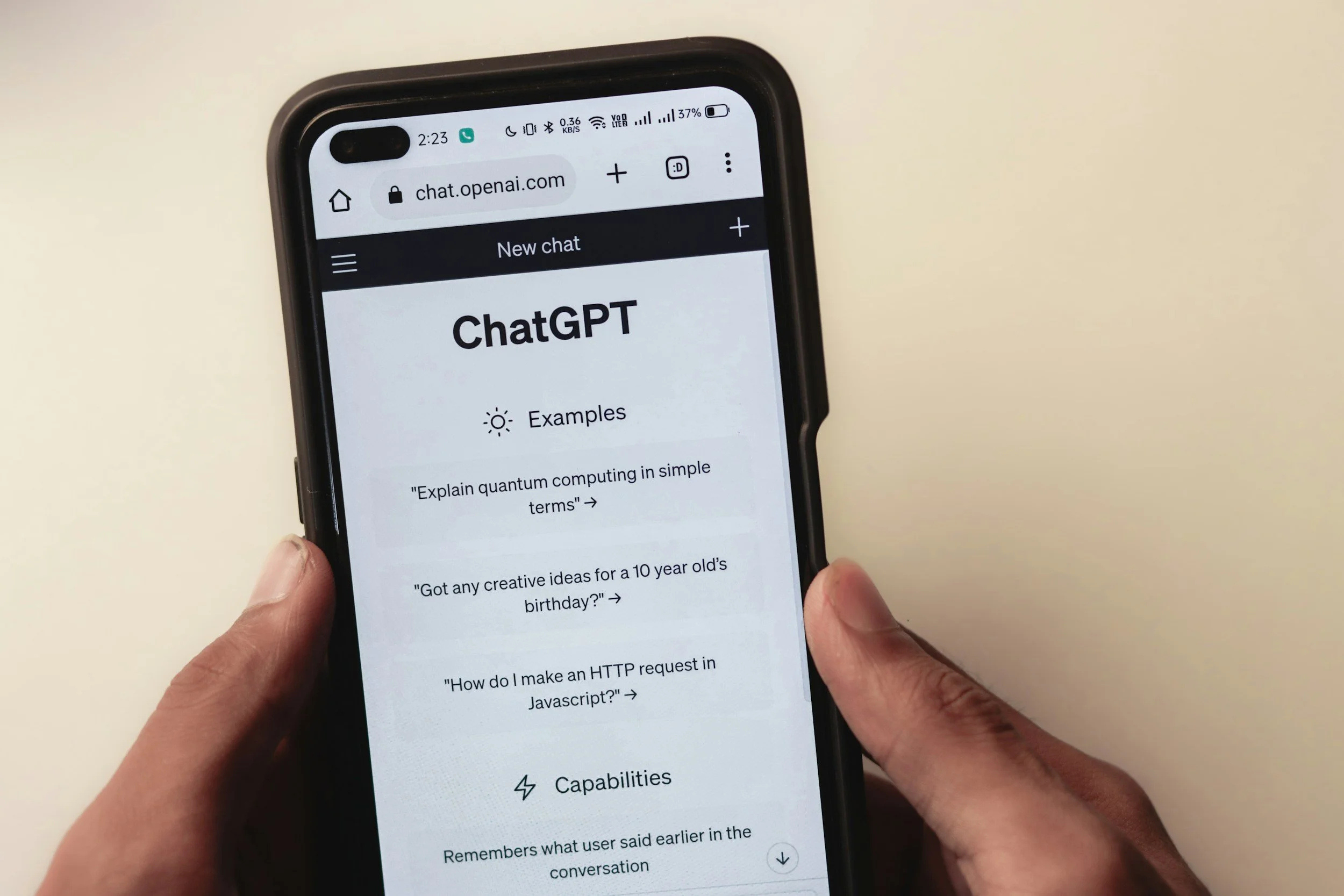
Three major artificial intelligence developers have released updated flagship models within a single week, intensifying competition in the fast-moving field of large language models.
Between 12 and 18 November, OpenAI, Google DeepMind and Elon Musk’s xAI each introduced new versions of their systems, reflecting distinct priorities: conversational warmth and personalisation at OpenAI, reduced hallucinations and improved emotional nuance at xAI, and advanced reasoning with multimodal depth at Google.






















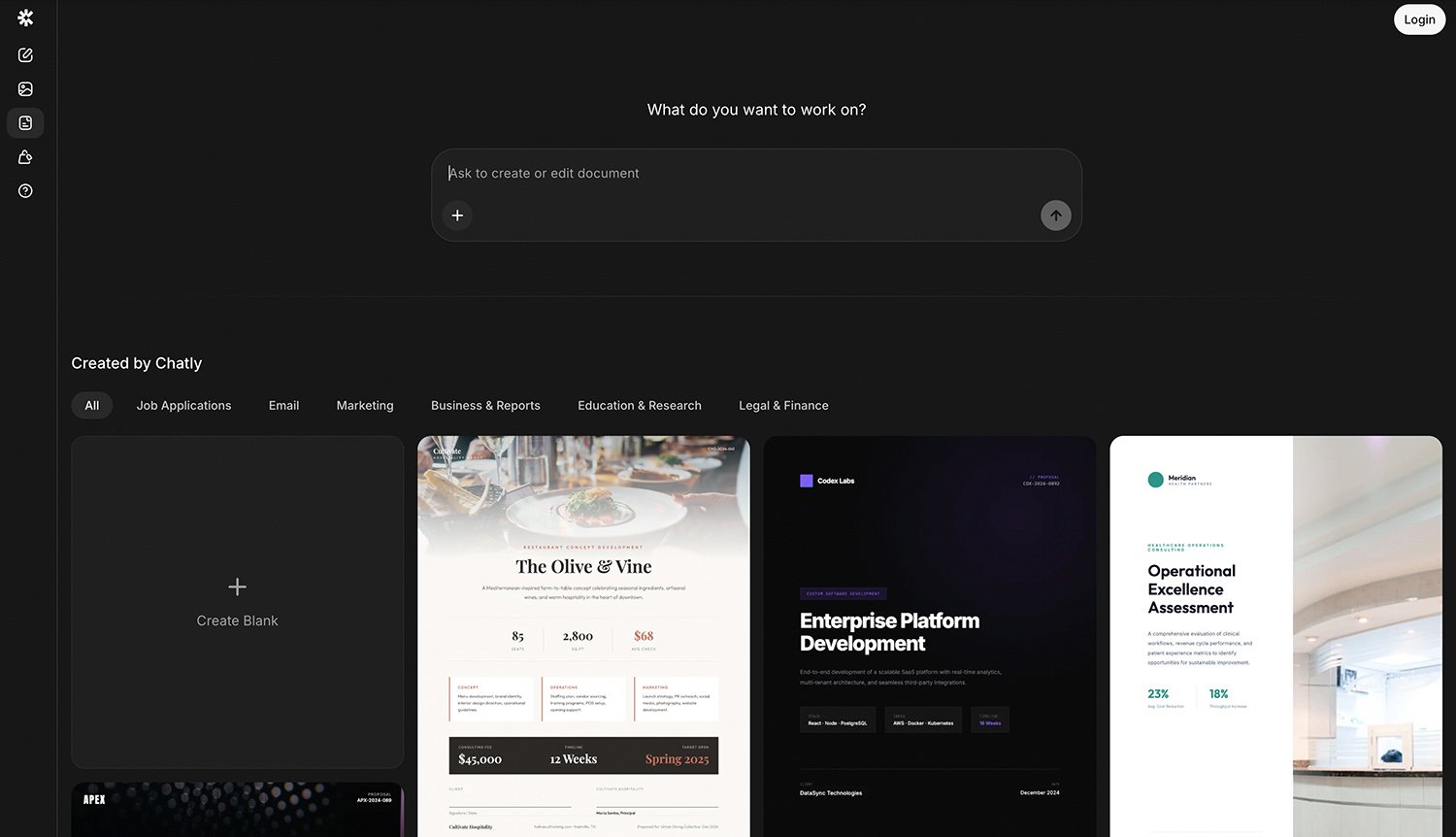
OpenAI Rolls Out GPT-5.1
OpenAI introduced GPT-5.1 on 12 November, positioning it as an incremental upgrade to the GPT-5 series released earlier in 2025.
Two variants are available:
GPT-5.1 Instant — the primary model for most ChatGPT sessions, tuned for a warmer conversational tone, clearer instruction following and improved everyday responsiveness.
GPT-5.1 Thinking — an adaptive, higher-effort mode that dynamically adjusts computation time to produce clearer, more structured reasoning and less jargon-heavy explanations.
GPT-5.1 also introduces expanded personalisation controls, enabling users to adjust tone, verbosity and emoji usage. These additions respond to earlier feedback that GPT-5 felt less engaging and overly formal.
Rollout began with Plus, Pro, Business and Enterprise users, with gradual expansion to free accounts. Legacy GPT-5 variants remain available for a transition period.

























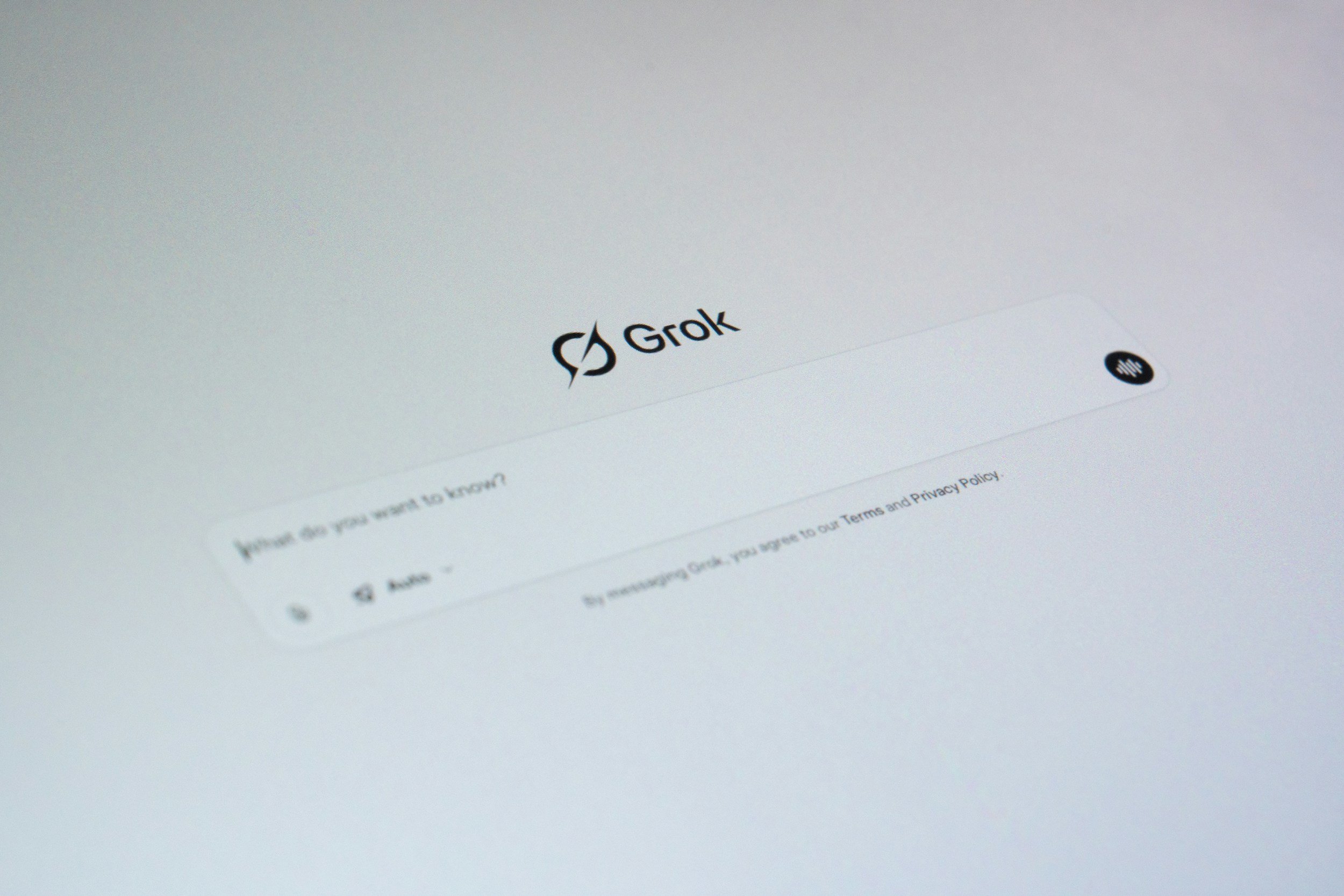
xAI Launches Grok 4.1
xAI released Grok 4.1 on 17 November, making it available on grok.com, the X platform, and its mobile apps.
The company reports substantial reductions in hallucinations, stating that error rates decreased from roughly 12% in the prior model to around 4%, based on internal evaluations using production-style prompts. Grok 4.1 also emphasises improved long-form coherence, emotional intelligence and creative output.
From 1–14 November, xAI conducted a silent rollout, routing increasing volumes of live traffic to the new model. In blind comparisons during this period, users preferred Grok 4.1 in approximately 65% of tests.
Earlier in November, Grok 4.1 temporarily led several crowd-sourced evaluation platforms. Following Google’s Gemini 3 release, rankings have shifted, though Grok 4.1 continues to place near the top across multiple benchmarks.






















Google Unveils Gemini 3 Pro
Google began deploying Gemini 3 Pro on 18 November, describing it as the company’s most capable model to date.
Gemini 3 Pro delivers strong results in advanced reasoning, coding performance and multimodal analysis, achieving leading scores across a range of academic and applied benchmarks, including reasoning, math, image-video understanding and agentic tasks.
The release also introduces generative interface features, enabling dynamic layouts, visual explanations and interactive responses within both the Gemini app and compatible Google platforms.
A higher-effort Deep Think mode, designed for complex reasoning tasks, will be released to premium subscribers following additional safety evaluation. Integration of Gemini 3 Pro is expanding across the Gemini app, Google AI Studio, Vertex AI, Antigravity IDE, and other Google services.



























Background and Development Context
The near-simultaneous model releases reflect increasingly compressed development cycles in frontier AI.
OpenAI directed its update toward tone, usability and personalisation after mixed community feedback on GPT-5.
xAI prioritised reliability and conversational consistency to support long-form interactions across the X ecosystem.
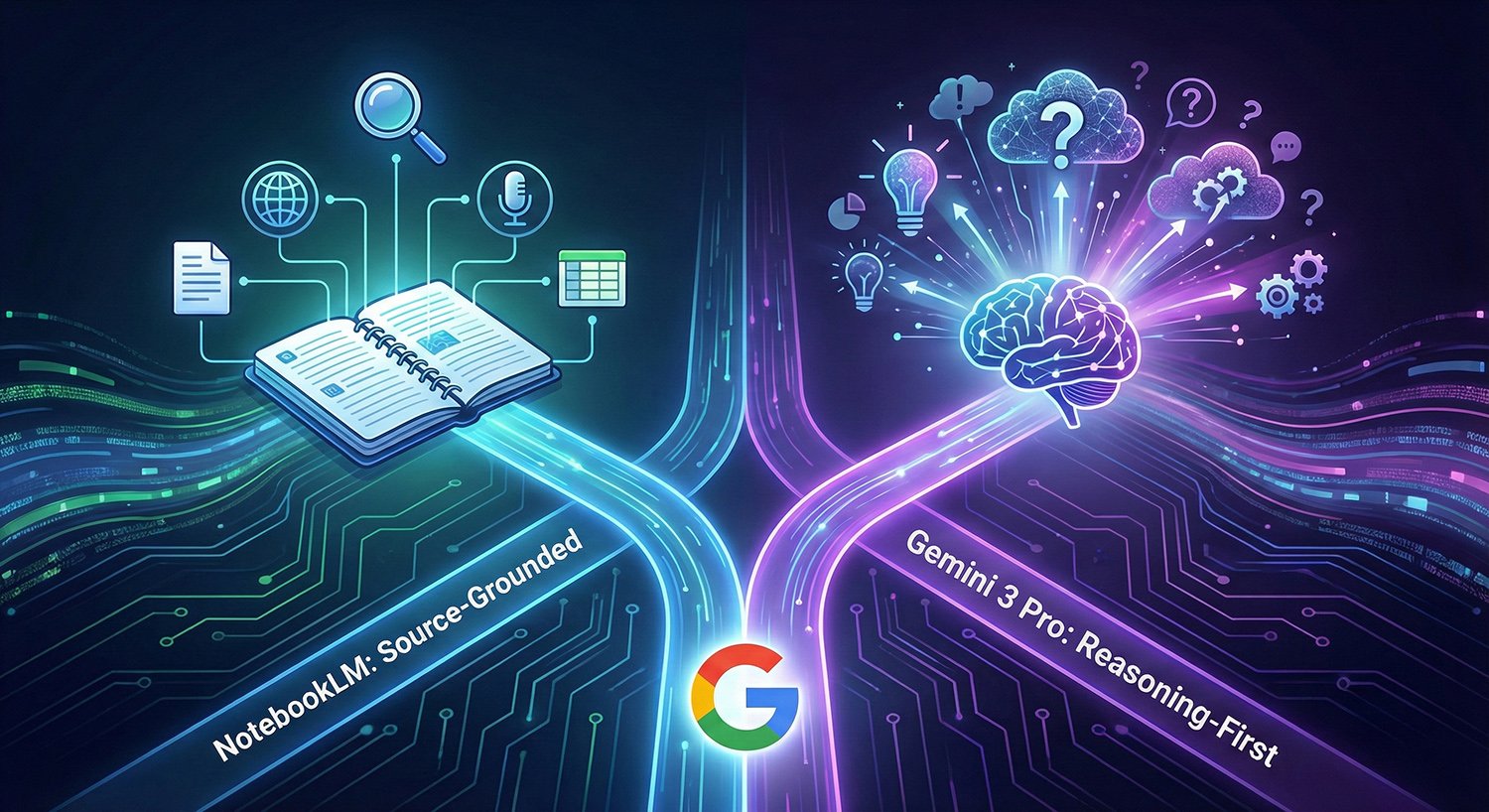
Google focused on leading performance in reasoning, multimodal capability and agent-like features integrated into its developer suite.
Each company now faces ongoing trade-offs between capability, safety, cost and broad usability.























Performance Comparison
Independent testing and community leaderboards place the three models in close competition:
LMArena Text Arena currently ranks Gemini 3 Pro in the top position, followed by Grok 4.1 Thinking and Grok 4.1, with GPT-5.1 variants close behind.
Academic and multimodal benchmarks strongly favour Gemini 3 Pro, particularly in image-video reasoning and high-difficulty reasoning assessments.
According to xAI’s reported measurements, Grok 4.1 shows one of the lowest publicly disclosed hallucination rates so far, though direct comparisons with other new-generation models remain limited due to differing test methodologies.
Early user reviews highlight GPT-5.1 for its improved instruction following, tone customisation and balanced everyday performance.
The models now lead different categories rather than competing through a single metric, and overall performance gaps have narrowed compared with releases earlier in the year.






















Suitability for Specific Workloads
GPT-5.1
Optimised for general conversational use, content drafting, instruction-driven tasks and personalised interactions.
Grok 4.1
Well-suited to creative writing, emotionally attuned exchanges and scenarios that benefit from low hallucination rates and long-form coherence.
Gemini 3 Pro
Best for advanced reasoning, technical coding, multimodal analysis and complex research or agentic workflows, particularly within Google’s developer ecosystem.

























Outlook
Analysts expect further incremental refinements across major AI systems in the coming months, with larger generational updates anticipated in 2026. With leading models now performing at broadly similar levels, the choice for consumers and enterprises is increasingly shaped by ecosystem integration, pricing and specific workflow requirements rather than headline benchmark leadership.
The rapid succession of releases illustrates a competitive environment defined by continuous practical improvements rather than isolated breakthrough moments.

























 TheDayAfterAI News
We are a leading AI-focused digital news platform, combining AI-generated reporting with human editorial oversight. By aggregating and synthesizing the latest developments in AI — spanning innovation, technology, ethics, policy and business — we deliver timely, accurate and thought-provoking content.