
Vidnoz AI: 1,900+ Avatars vs. Expiring Credits – Is the $20/mo Model Worth It?
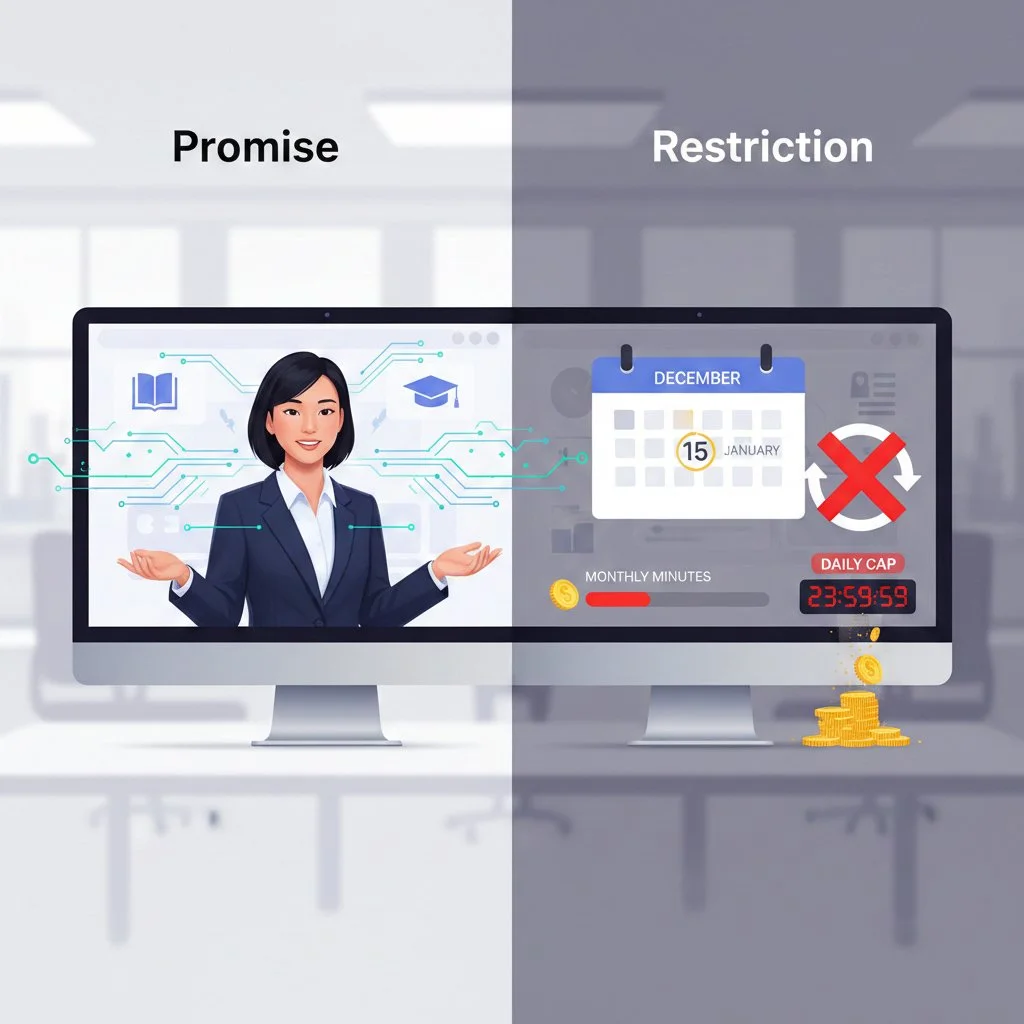
Image Credit: Jacky Lee
In the fast-moving market for artificial-intelligence video tools, Vidnoz AI has built a user base by offering browser-based video creation built around animated avatars and synthetic voiceovers. The system allows users to turn scripts into short videos with lip-sync and basic editing features in minutes, without requiring cameras, actors or studio editing skills.
But as adoption grows among educators, freelancers and small businesses, the platform’s rigid, non-rolling credit system is becoming a persistent source of criticism. The debate highlights a broader tension in the AI video sector: how to balance expensive cloud compute with pricing models that feel predictable and fair to end users.


















From Screen Recording to AI Video Generation
Vidnoz is owned by Hong Kong-registered Wise Reward Limited and was founded in the mid-2010s. While the firm originally focused on video recording utilities, it pivoted toward AI-driven video generation in the early 2020s.
The company now operates primarily from the United States, listing offices in Austin, Texas and Hong Kong in corporate disclosures. On its website, Vidnoz also states that its systems are built on cloud services from infrastructure providers including Amazon Web Services, Microsoft Azure and OpenAI.




















Scale, Capabilities and Use in Education
Across different products and service tiers, Vidnoz currently advertises:
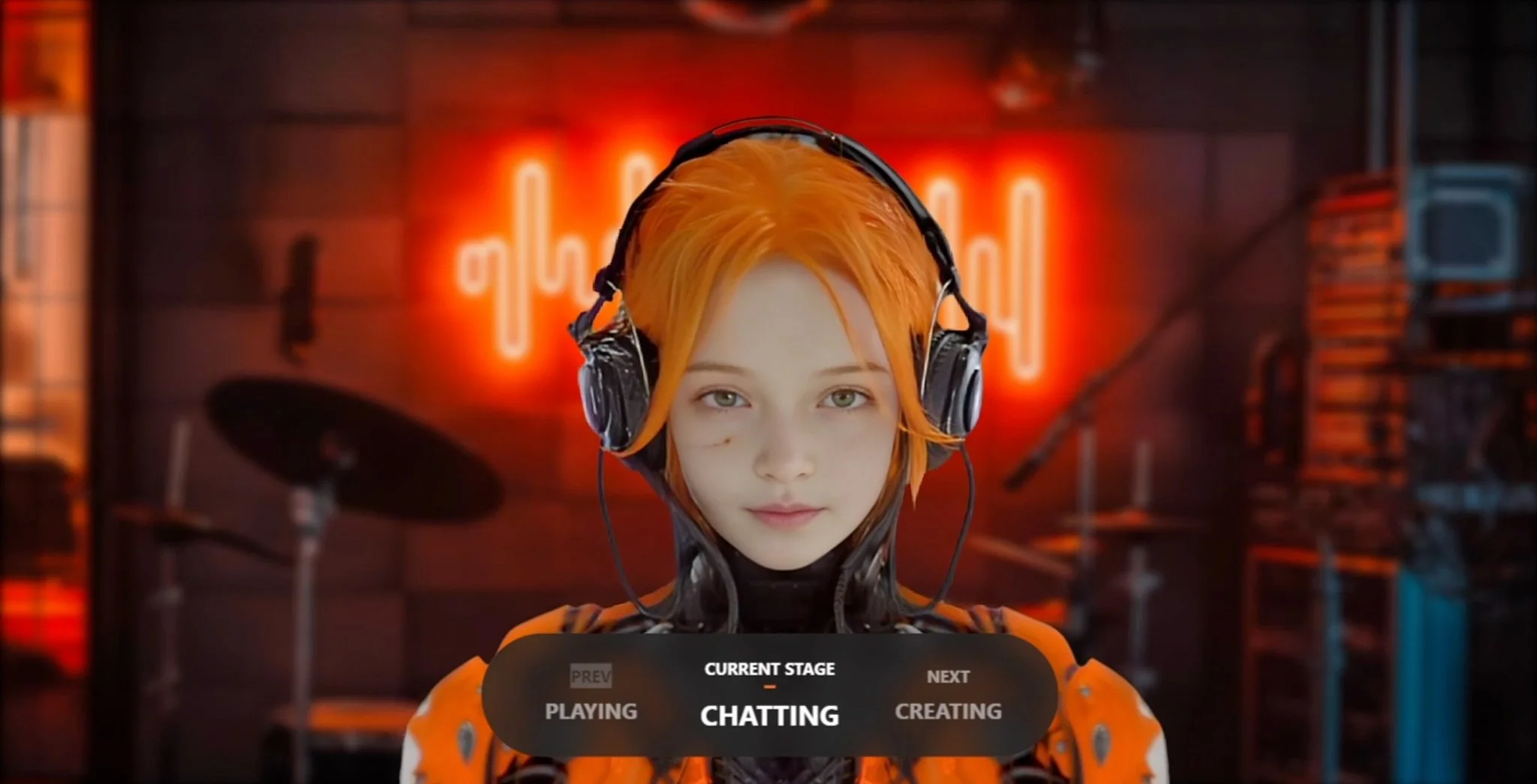
Between 1,500 and 1,900 AI avatars
Around 2,800 video templates
Over 1,300 to 2,000 voice models
Support for more than 140 languages
The workflow is simple: users paste in a script, select an avatar and voice model, and allow the platform to generate a video with lip-sync and template-based motion.
The platform has been adopted in education and training, particularly in multilingual environments. Vidnoz’s own documentation highlights case studies at Martin-Luther-University Halle-Wittenberg, where avatars were used for simulated patient communication training, and at Universitat Politècnica de Catalunya, where staff applied the system for lecture translation and language localisation.
Although these examples come from Vidnoz’s own marketing materials rather than independent academic review, they illustrate how AI avatars are increasingly positioned as tools for education and professional communication, particularly where producing multilingual video content would otherwise require significant resources.




















A Pricing Model Built on Minutes, Not Subscriptions
Where most user frustration arises is not in Vidnoz’s output, but in how access is metered.
Vidnoz prices its main video generator around monthly minute allocations rather than unlimited usage. The structure currently includes:
Free tier
Very limited daily usage equivalent to roughly 1 minute of video per day, depending on region and promotion
Resolution capped at 720p
Vidnoz branding applied
No rollover of daily allowance
Paid plans
Starter plan: 15 minutes per month at around US$1.8 per minute
Business plan: 30 minutes per month at about US$2.5 per minute
Higher tiers increase the monthly minute pool
Exports available up to 1080p
Commercial use permitted
The core source of dissatisfaction is what happens to unused minutes:
Unused credits expire at the end of the month
Deleted videos do not restore minutes
Separate Vidnoz tools (voice cloning, translation, AI images) operate on different credit systems
In practice, this means that creators who work in bursts, such as teachers producing lessons for a school term or small agencies preparing campaign material, risk paying for capacity they may not use in a given month.
Vidnoz has not publicly framed the policy in terms of user behaviour, but in technical terms, minute-based billing reflects the real cost of GPU-driven rendering pipelines. High-quality video synthesis requires sustained compute resources, and many platforms still attempt to control usage through credit models rather than flat subscriptions.
























A Sector Still Experimenting with Business Models
The AI video market itself remains young and fragmented.
Industry analysts estimate that AI video tools were worth hundreds of millions of dollars globally by the mid-2020s, with long-term forecasts ranging into the multi-billion-dollar range by the 2030s, depending on how broadly “AI video” is defined.
The tools are spreading quickly in marketing, e-learning and internal business communication, where demand for short-form, easily localised content is growing rapidly. But vendors still differ sharply in how they charge:
Minute-based pricing (Vidnoz, early-stage platforms)
Unlimited video subscriptions (HeyGen and others)
Hybrid models combining fixed allowances and pay-per-use credits
As competition intensifies, users increasingly expect pricing structures that resemble mainstream SaaS products rather than prepaid utilities.

























Rival Platforms Emphasise Simpler Billing
Several competitors have moved toward subscription-style models that contrast sharply with Vidnoz’s expiring-minute approach.
HeyGen
HeyGen currently prices its Creator plan at around US$29 per month. As of late 2025, the official documentation states that the plan allows:
Unlimited avatar videos
Up to 30 minutes per video
1080p exports
In early 2025, Creator-tier videos were shorter, but HeyGen formally raised the per-video cap to 30 minutes in April 2025. The Team plan retains the same per-video length limit but adds 4K output, team management and API access.
Synthesia
Synthesia uses quota-based monthly minutes but ties them to enterprise agreements and team plans with longer billing cycles and predictable budgets. The service positions itself primarily toward corporate training and internal communications.
Fliki
Fliki focuses on narration-driven videos and currently limits free users to a small number of minutes per month, with paid plans scaling allowances through subscriptions rather than per-day resets.
Deepbrain AI
Deepbrain prices through subscription tiers that allocate minutes per month, but generally does not rely on daily resets or hard credit expiry.
As a result, Vidnoz increasingly stands out for the rigidity of its credit policies rather than for its feature set.























Security and the Growing Unease Around Synthetic Media
Vidnoz lists ISO/IEC 27001 certification through third-party directory services and positions itself as compliant with mainstream information-security practices.
The broader ecosystem, however, is facing heightened scrutiny as AI-generated video becomes more realistic and less expensive to produce. The release of highly efficient models such as Seedance by ByteDance has intensified debate around misinformation, deepfakes and synthetic identity abuse.
Like many vendors, Vidnoz applies watermarking on free-tier exports and restricts specific content categories. But as realism improves across the industry, pricing decisions increasingly intersect with ethical expectations: creators are more likely to tolerate restrictions when they feel pricing is transparent, flexible and fair.



























Pressure for Change Is Mounting
Vidnoz has not publicly announced plans to revise its non-rolling credit model. Development updates continue to focus on:
Expanding avatar realism
Increasing language coverage
Introducing new AI engines
Improving voice and facial modelling
But user expectations are evolving rapidly.
More competitors are adopting flat-rate pricing combined with usage monitoring rather than prepaid minutes that expire monthly. As compute costs fall and model efficiency rises, the economic rationale for strict “use-it-or-lose-it” pricing appears increasingly fragile.
For now, many users hedge by combining platforms: Vidnoz for specific avatars or template styles, and other tools such as HeyGen for long-form or high-volume work.
Whether Vidnoz adjusts its billing to match market expectations may determine not only retention among freelancers and educators, but its long-term position in the increasingly crowded AI video landscape.

























Source: Vidnoz, G2, Artsmart, Zebracat, Shunyanant, HeyGen, Tool Junction, Time, Flux Pro















 TheDayAfterAI News
We are a leading AI-focused digital news platform, combining AI-generated reporting with human editorial oversight. By aggregating and synthesizing the latest developments in AI — spanning innovation, technology, ethics, policy and business — we deliver timely, accurate and thought-provoking content.