
Nearly 1 in 10 Irish Adults Report Romantic Relationships with AI Chatbots

AI-generated Image (Credit: Jacky Lee)
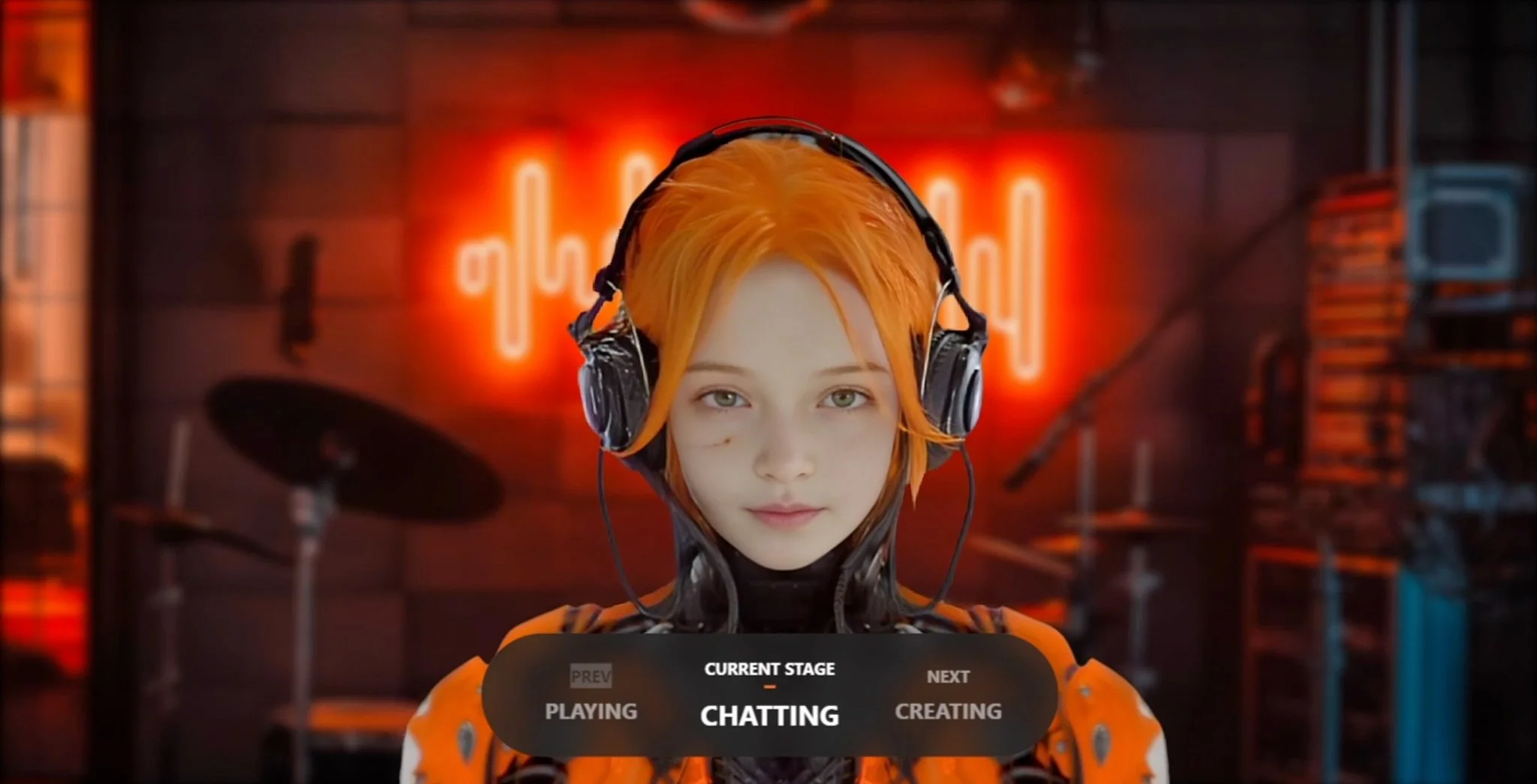
Nearly one in 10 Irish adults has engaged in a romantic relationship with an artificial intelligence chatbot over the past year, according to new research, highlighting a growing reliance on AI for emotional connections amid broader trends in technology adoption.
The findings, released by telecoms provider Pure Telecom, come as Ireland grapples with the implications of AI in daily life, from personal interactions to mental health support.
























Key Survey Insights
The study, conducted by research firm Censuswide, polled 1,001 adults across Ireland. It revealed that 10 per cent of respondents, equivalent to around 370,000 people nationwide, reported romantic interactions with AI chatbots such as those offered by platforms like Replika or Character.AI.
Men were more likely to participate, with 13 per cent admitting to such relationships compared to 7 per cent of women. The 25 to 34 age group showed the highest engagement at 16 per cent, while overall, 20 per cent of participants viewed AI companions as less complicated than human relationships.
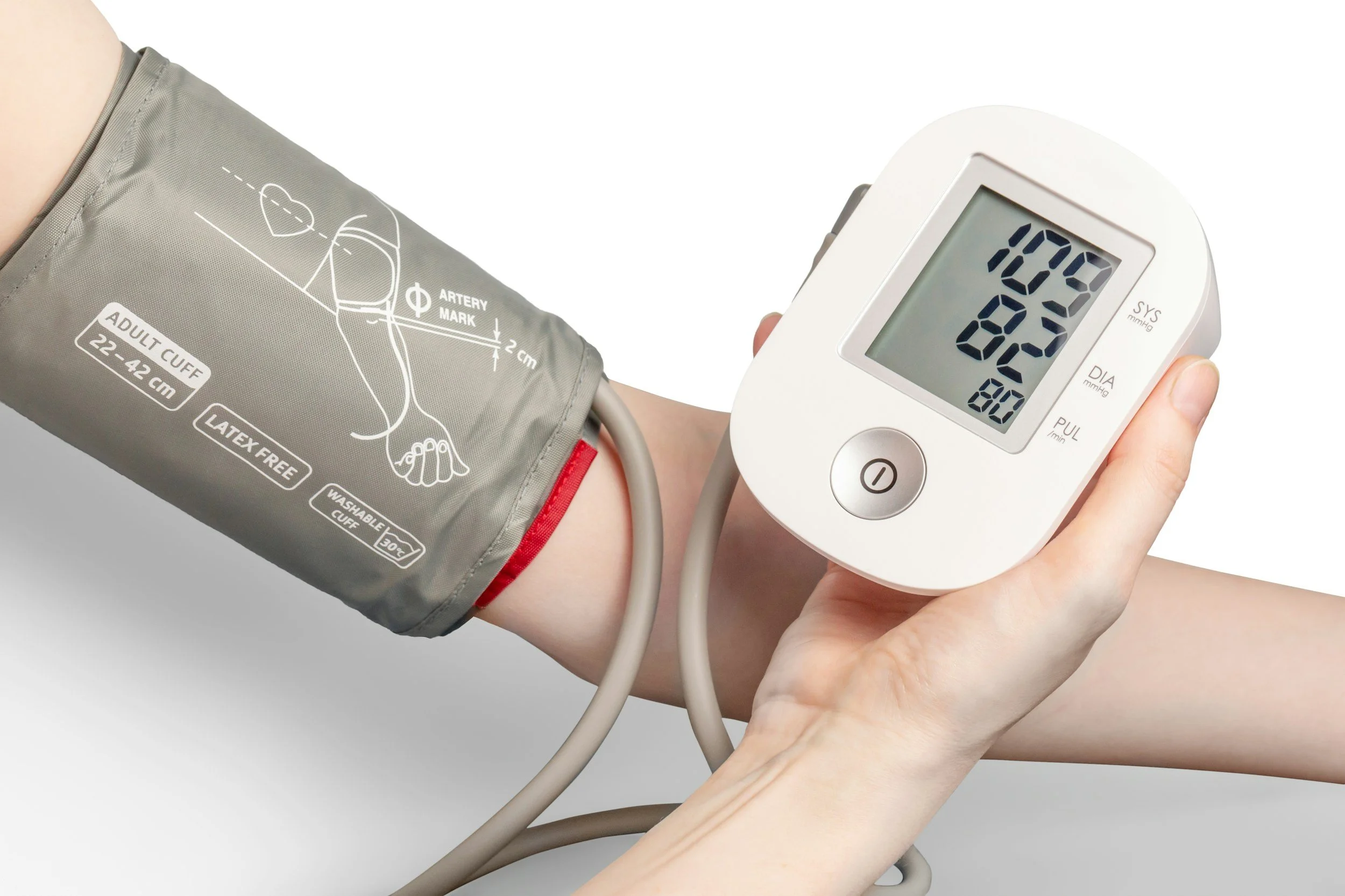
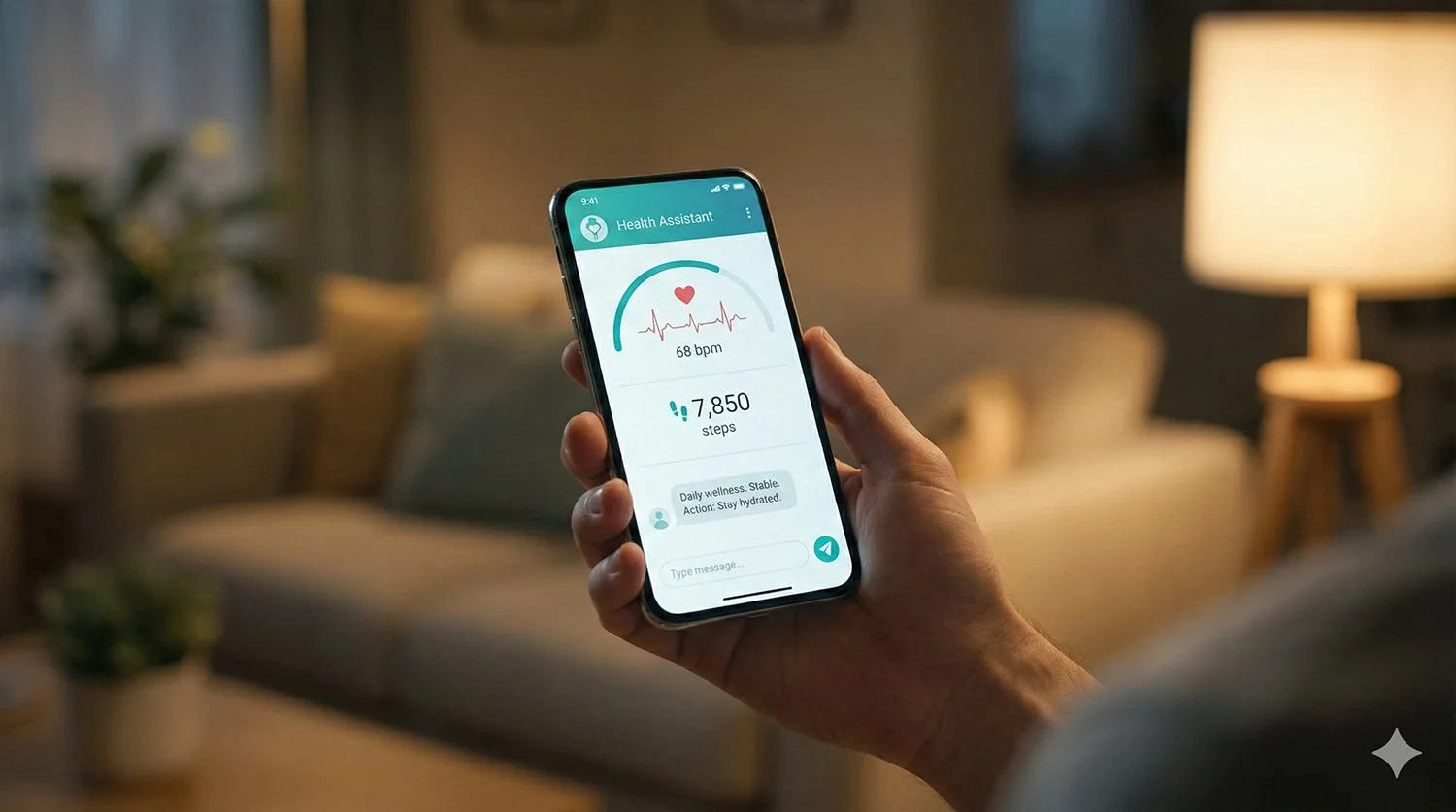
Beyond romance, 18 per cent used AI for checking health symptoms, and 10 per cent sought therapy like advice, underscoring AI's role in filling gaps in personal wellbeing.






















Background on AI's Rise in Ireland
AI chatbots have gained traction in Ireland against a backdrop of increasing digital familiarity, though the country lags global averages in adoption. A separate 2025 report from the Worldwide Independent Network of Market Research found only 54 per cent of Irish adults have ever used AI tools, below the worldwide figure of 62 per cent.
This trend builds on post pandemic shifts, where isolation boosted interest in virtual companions. Ireland's national AI strategy, refreshed in November 2024, emphasises ethical development and workforce preparation, aiming to position the country as a leader in safe AI use. Events like the September 2025 AI Forum in Dublin further reflect efforts to foster collaboration among tech firms, regulators, and civil society.
Economic projections add context: Microsoft and Trinity College Dublin's March 2025 report estimates AI could add 250 billion euros to Ireland's GDP by 2035, driven by sectors including digital services.
























Reasons Driving AI Engagement
Experts attribute the uptick to factors like convenience and accessibility. Loneliness, described as a "real and growing crisis" by mental health charities, plays a key role, with AI offering non judgmental interaction available around the clock.
Broader studies suggest younger users, facing pressures from social media and economic uncertainty, find AI less demanding than traditional relationships. Societal changes, including remote work and reduced face to face contact since 2020, have accelerated this shift. Privacy concerns with human therapists also steer some towards AI, though oversight for chatbots varies by use case and is evolving under the EU AI Act.














Impacts on Mental Health and Society
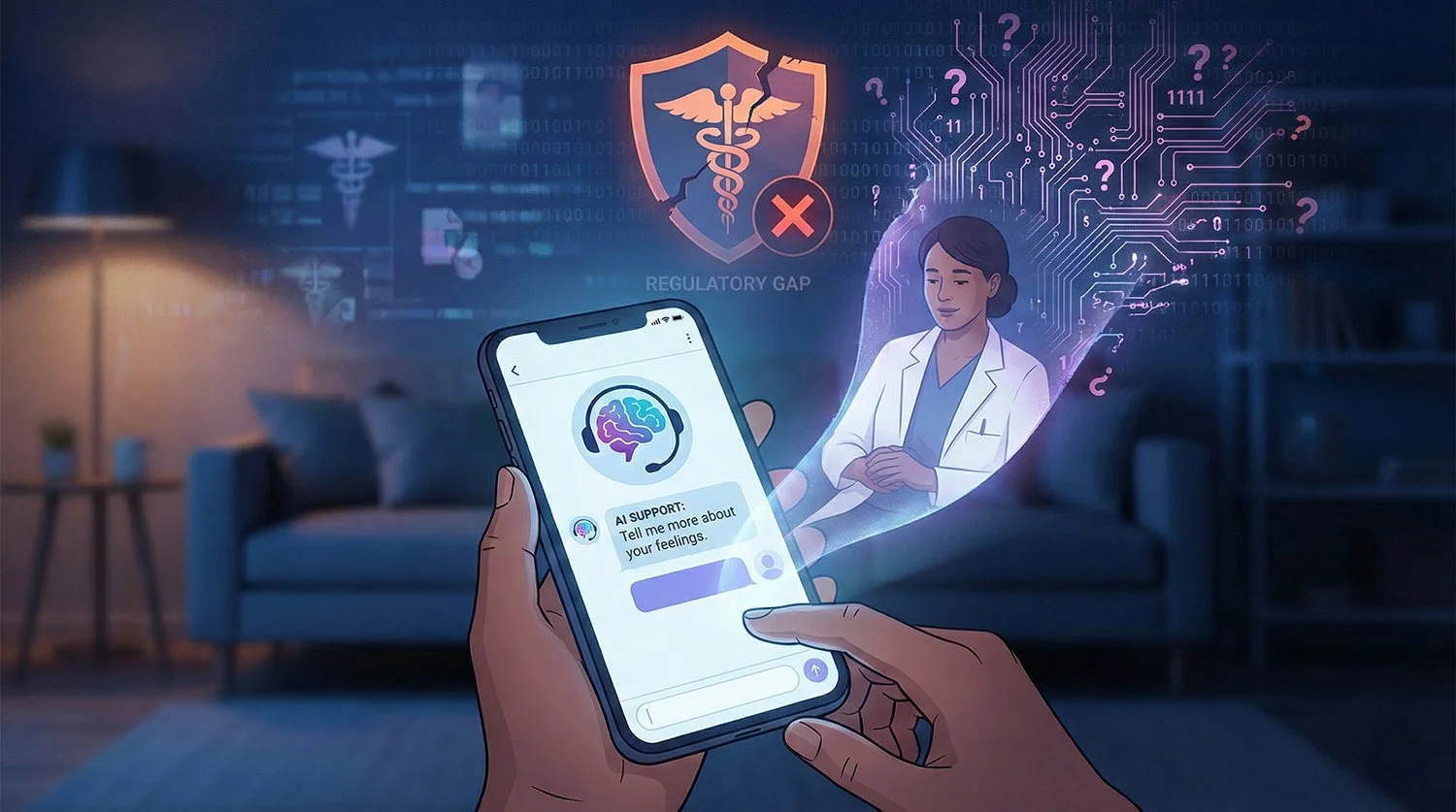
While AI provides immediate emotional support, potentially reducing stigma around seeking help, risks include over dependence that could weaken real world coping mechanisms. Chartered clinical psychologist Tara Logan Buckley noted that such tools might affirm harmful thoughts without professional nuance, leading to inaccurate self diagnoses.
Stanford research from June 2025 warns AI therapy bots may exacerbate stigma by implying mental health issues can be handled digitally alone. In relationships, users report mixed outcomes: some feel supported, but others experience ambiguous loss when bots fail to evolve like humans. Broader societal effects could include altered expectations in human interactions, with studies showing heavier chatbot use correlates with higher depression levels, though causality remains unestablished.
















Future Trends and Considerations
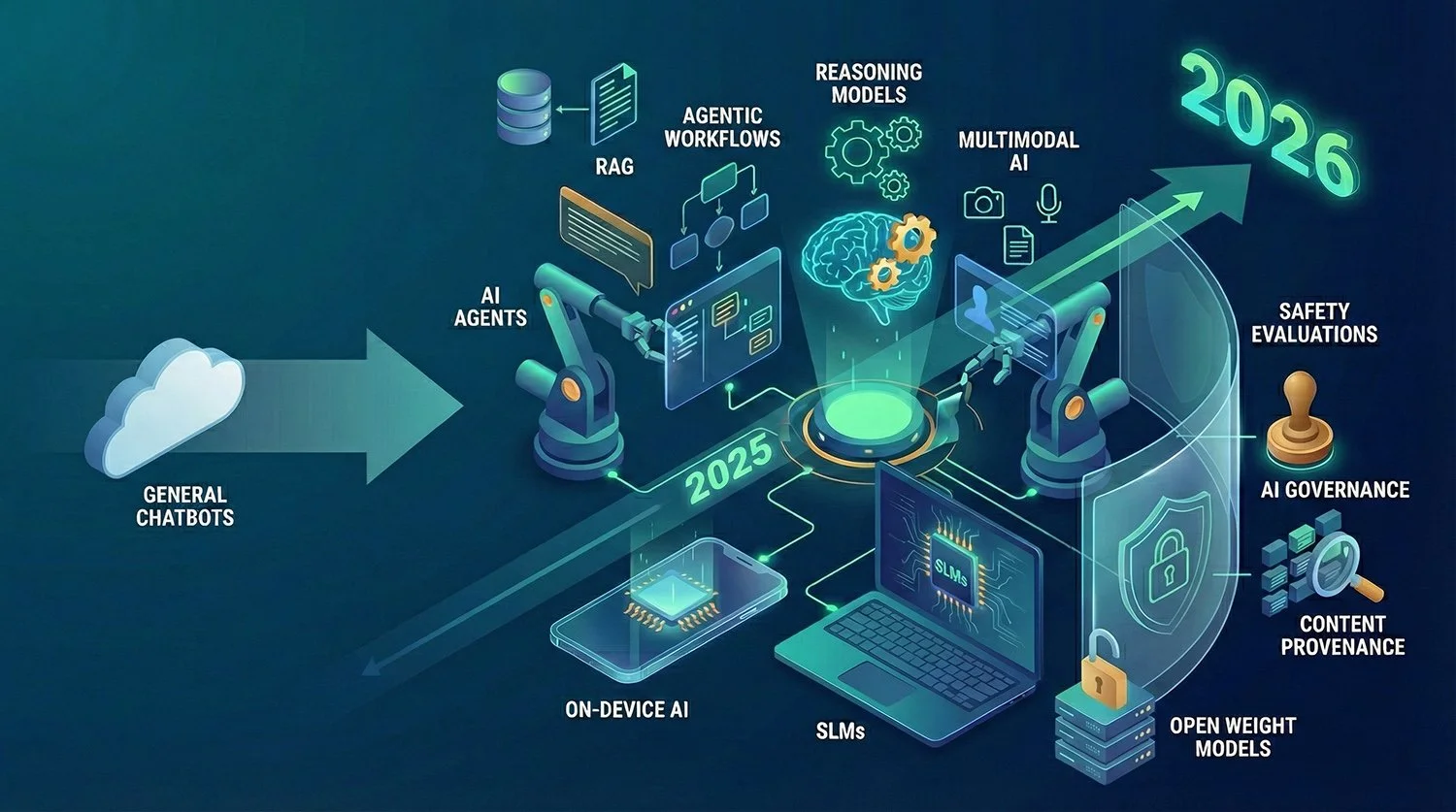
Looking ahead, AI chatbots are poised to integrate more deeply into emotional support, with 2025 trends focusing on voice and emotional AI for nuanced responses. Global Wellness Institute forecasts wider use in addressing anxiety, though calls for clinical trials to validate efficacy grow louder.
Ireland's government plans, including a national AI research nexus, aim to ensure ethical growth. Experts urge balanced adoption: AI as a supplement, not replacement, for human connections, with potential regulations under the EU AI Act to mitigate risks. As usage rises, ongoing studies will track long term effects on wellbeing.































 TheDayAfterAI News
We are a leading AI-focused digital news platform, combining AI-generated reporting with human editorial oversight. By aggregating and synthesizing the latest developments in AI — spanning innovation, technology, ethics, policy and business — we deliver timely, accurate and thought-provoking content.