
AI in Radio: 12.3 Million Listeners and the Rise of 24/7 Synthetic Hosts
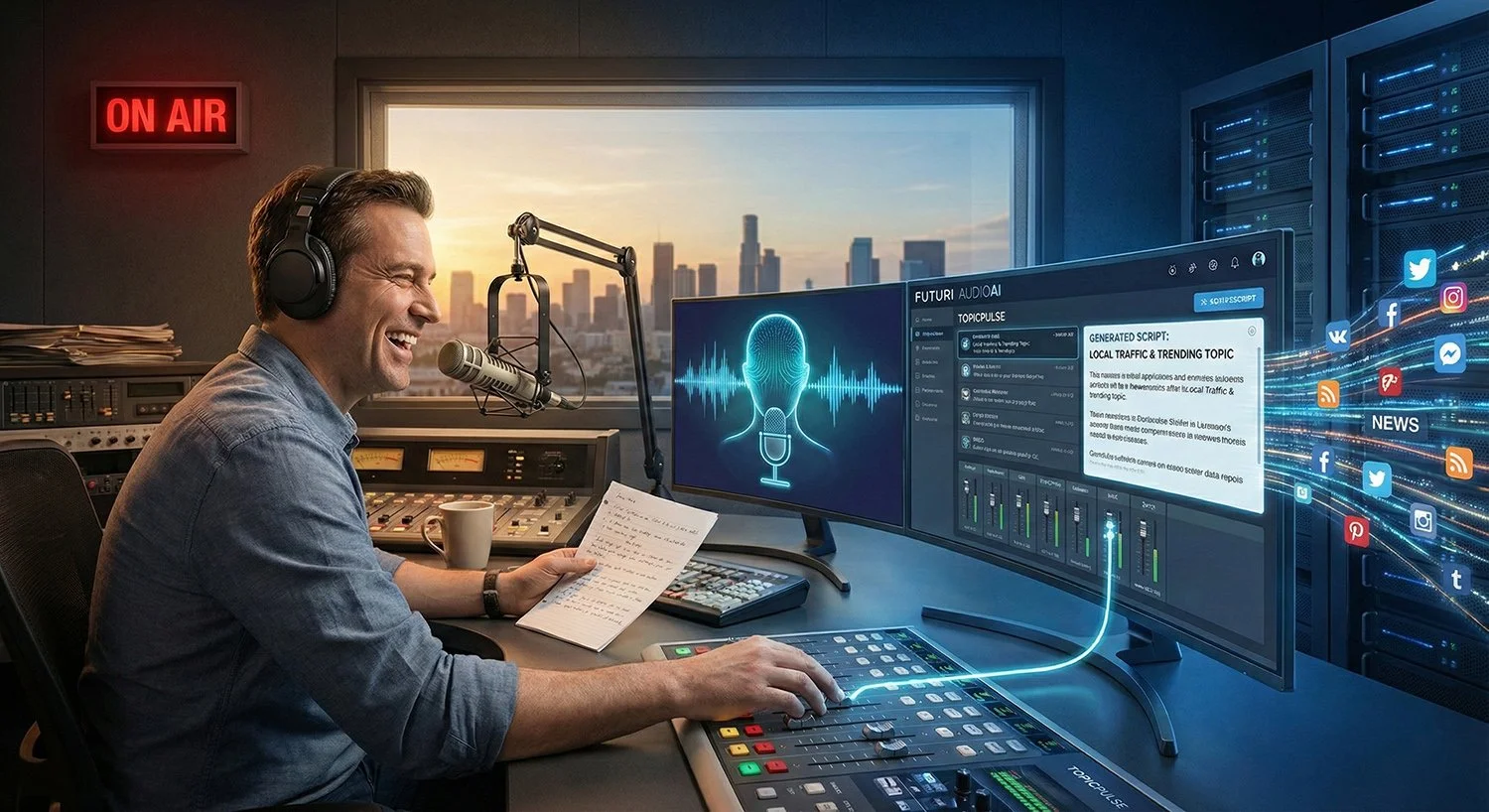
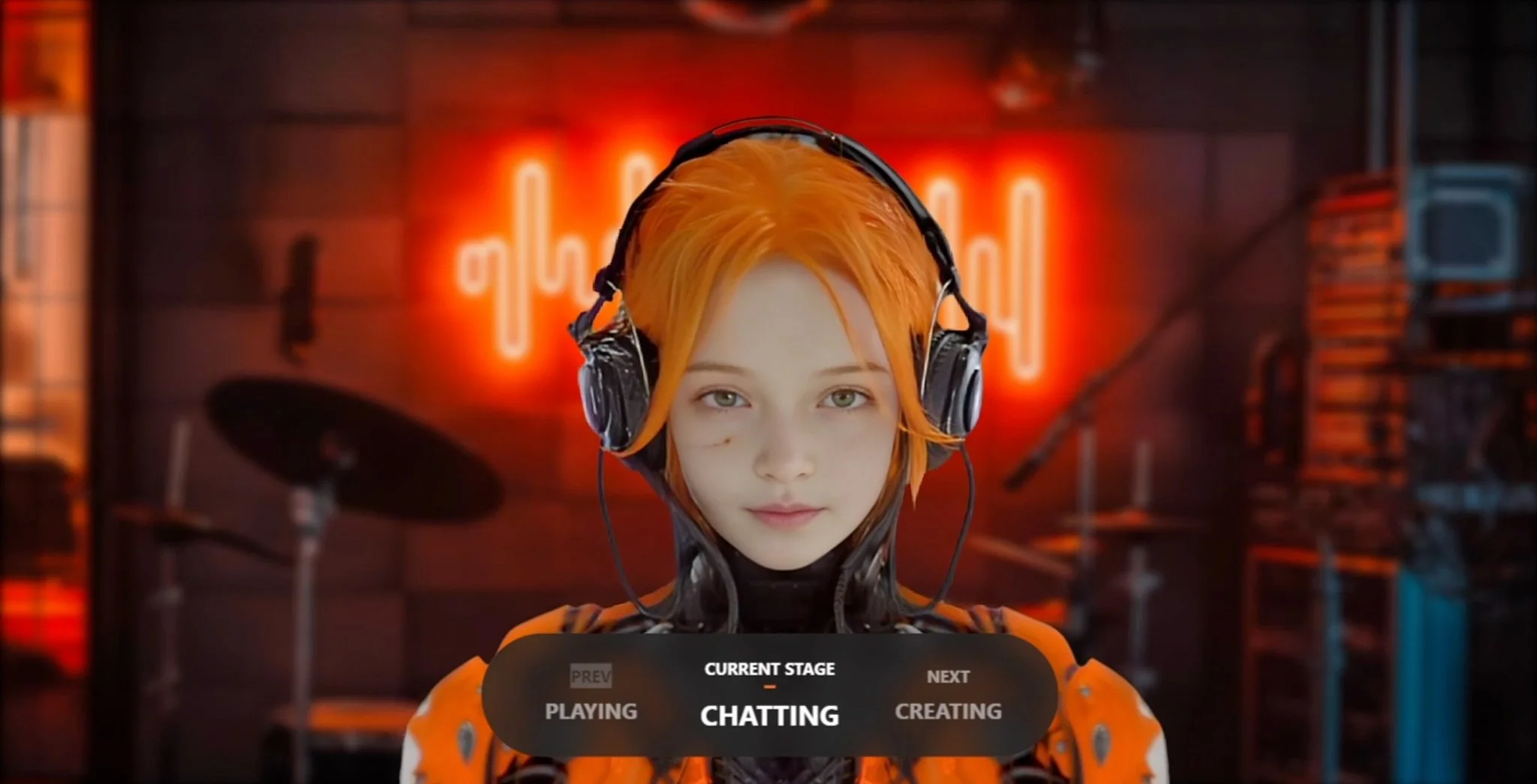
Illustrative Image Only (Credit: Jacky Lee)
Artificial intelligence is quietly reshaping the sound of radio, with systems such as Futuri AudioAI, the expanded successor to RadioGPT, now capable of generating entire shifts of presenter links, weather reads, and local talk breaks. Supporters frame it as a survival mechanism to keep stations competitive and on-air around the clock. Critics worry it chips away at the off-script warmth and charisma that made radio feel human in the first place.
Developed by US-based media technology company Futuri, AudioAI sits on top of large language models (LLMs) and Futuri’s own TopicPulse analytics engine. TopicPulse scans more than 250,000 news sources and major social platforms in real time to detect emerging stories in specific markets. It then feeds that signal into the AI to assemble relevant scripts, from local traffic updates and sports mentions to artist intros and community talking points, that match a station’s music log or format.
First launched as RadioGPT in early 2023, the system was officially rebranded and expanded as Futuri AudioAI in November 2023. The evolution moved beyond radio scripts to include tools for television continuity, digital publishing, and podcasting. By late 2025, the suite is being marketed internationally for use in single dayparts, specialist shows, or even as full-time AI presenters.























The Economic Reality: Doing More With Less
The push comes as broadcast radio competes for attention against streaming services and podcasts. Rather than collapsing outright, listening has fragmented across platforms.
In Australia, the industry has shown resilience. Commercial Radio & Audio (CRA), citing GfK Survey 8 of 2024, reported that commercial radio reached a record 12.3 million people each week, with commercial stations holding a 75.9% share of radio listening. Among 18–24 year-olds, time spent listening to commercial radio via streaming alone was close to four hours per week, signalling that younger audiences still engage with radio-style formats even as they adopt new devices and platforms.
Yet margins remain tight. Staffing live presenters in every daypart is expensive, especially for regional outlets with small teams. For those stations, an AI voice available 24/7 can be the difference between running live-sounding overnight programming or switching to a bare “jukebox” mode of music only.



























Background: From Early Automation to Generative AI
Radio has leaned on automation for decades, from basic music schedulers and cart machines to modern playout systems that can run unattended nights and weekends. What changed in the 2020s was the arrival of generative AI able to assemble plausible scripts on the fly, rather than just sequence songs.
Futuri, founded in 2009 in Cleveland, originally focused on audience engagement and analytics tools such as listener-driven radio platforms and the first iterations of TopicPulse. In March 2023, the company unveiled RadioGPT, widely billed as one of the first fully AI-driven local content systems for radio. TopicPulse would spot trending stories in each market; an LLM would draft talk breaks and service elements; text-to-speech would deliver them in a synthetic voice.
The experiment extends well beyond a single vendor:
Couleur 3 (Switzerland): In 2023, Swiss public youth station Couleur 3 staged a special “Day of AI” in which AI-generated versions of its presenters’ voices fronted the programming for an extended block. Scripts were produced with AI and delivered through voice clones trained on the station’s real hosts. The stunt showed that cloned voices could sound convincing, but feedback also highlighted how much listeners noticed the absence of spontaneous humour and genuine emotion.
RAiDiO.FYI: Launched in August 2024 by musician and tech entrepreneur will.i.am, RAiDiO.FYI pitches itself as an interactive “conversational” radio-style experience. Listeners can chat with AI personas in real time, ask questions about music and culture, and receive tailored streams that blur the line between broadcast radio and voice assistants.



















How Futuri AudioAI Works: Automation With a Local Accent
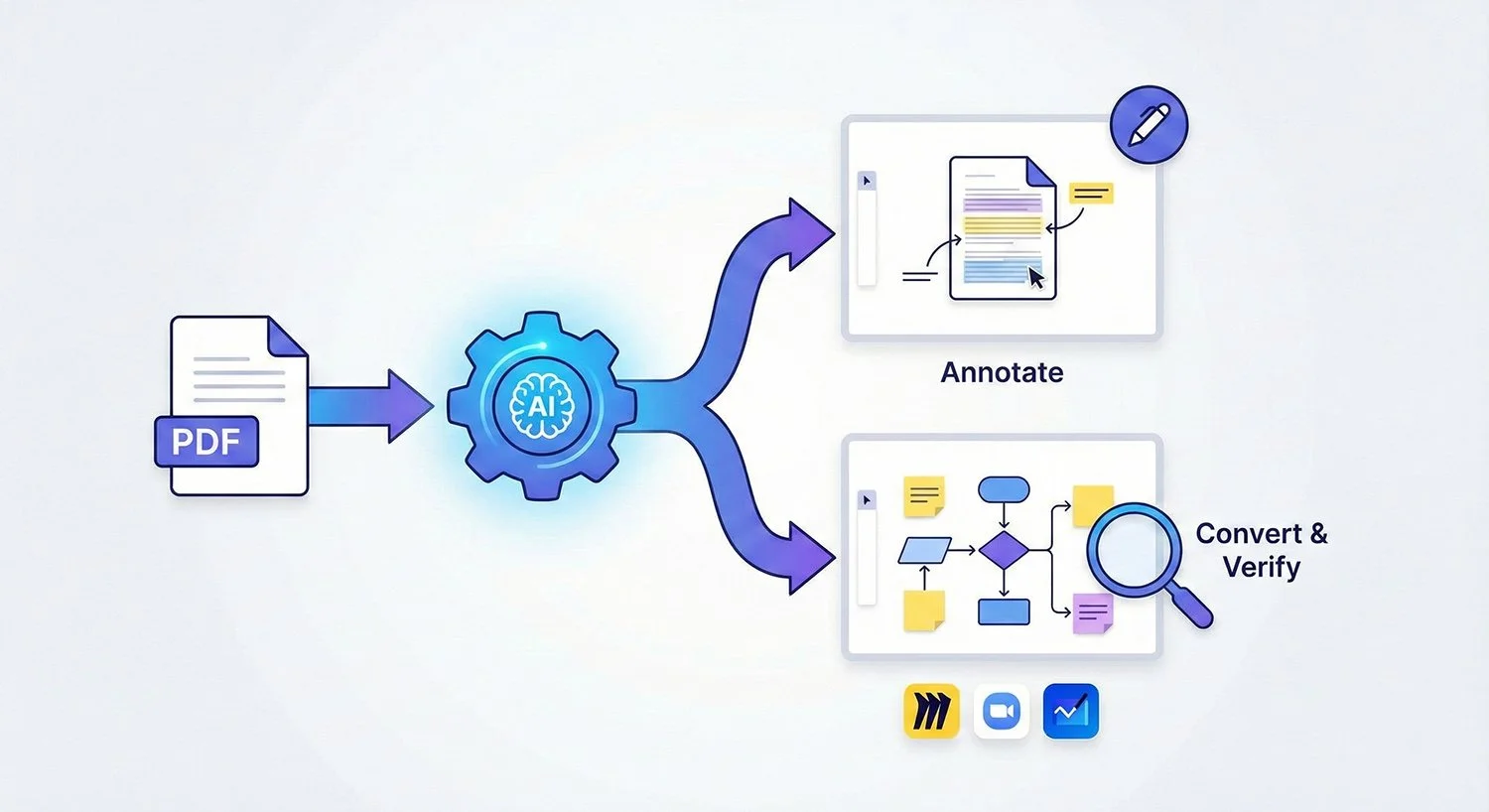
In practical terms, Futuri AudioAI operates as a cloud-hosted content engine that plugs into existing playout systems such as RCS Zetta.
Ingest and analysis: TopicPulse continuously crawls over 250,000 sources, including major social platforms and news sites, and filters them by geography and topic to identify what is gaining traction in each market.
Script generation: An AI model uses that signal, along with station-defined parameters such as format, tone and break length, to write short links, “coming up” teases, news headlines or weather updates tailored to the brand, for example, “high-energy Top 40” or “relaxed Classic Rock”.
Voice output: Text-to-speech technology converts the script into audio. Stations can choose from pre-built synthetic voices or, where licensing and consent are in place, train models on recordings of their own talent to produce familiar-sounding “cloned” voices.
Integration: The resulting audio is delivered back into the automation log and slotted between songs or ads just like a pre-recorded human voice track. To the listener, it can sound like a regular voice-tracked shift, even if no one is in the studio.
In most deployments, music itself is still programmed using specialist tools, whether by human music directors or AI schedulers such as Super Hi-Fi’s Program Director. AudioAI then focuses on talk breaks, service elements and topical content around those logs, rather than acting as a full music scheduler in its own right.




















Impacts: Efficiency vs the Human Touch
For managers, the appeal of systems like AudioAI is consistency, scale and cost control. Routine tasks, re-cutting promo lines in multiple versions, writing similar weather updates, tracking late-night shifts, can be offloaded to automation. Major consultancies, including McKinsey, estimate that generative AI can reduce content-production effort by double-digit percentages in media and marketing workflows, which broadcasters hope to translate into more efficient operations.
But the trade-offs are cultural and operational.
The “uncanny valley” on air: AI presenters often struggle with the subtle judgment needed during sensitive moments. Reading out a scripted line about a tragic local event or breaking news bulletin without the right tone can feel jarringly off.
Hallucination and accuracy: Large language models can generate confident but incorrect statements if they are not tightly constrained.
Bias and representation: Technical bias is not a hypothetical issue. A widely cited study in the Proceedings of the National Academy of Sciences found that leading commercial speech-recognition systems produced significantly higher word-error rates for Black speakers (0.35) than for White speakers (0.19).
Indigenous communities and local voices: In Australia, First Nations media services are estimated to reach around 320,000 Aboriginal and Torres Strait Islander people, and survey work suggests that about 91% of people in remote Indigenous communities are regular listeners to Indigenous radio services. In those contexts, replacing local human broadcasters with generic, standard-accented AI voices risks weakening a critical cultural lifeline.



























A Crowded Field: AudioAI and Its Competitors
Futuri AudioAI is just one of several AI-driven tools rethinking how audio is made and delivered:
Futuri AudioAI: Focuses on localized spoken content (talk breaks, news, weather) embedded within traditional broadcast workflows.
Super Hi-Fi: Their Program Director operating system focuses on the music and transition layer. Using technologies such as its MagicStitch engine, it automatically sequences songs and manages transitions.
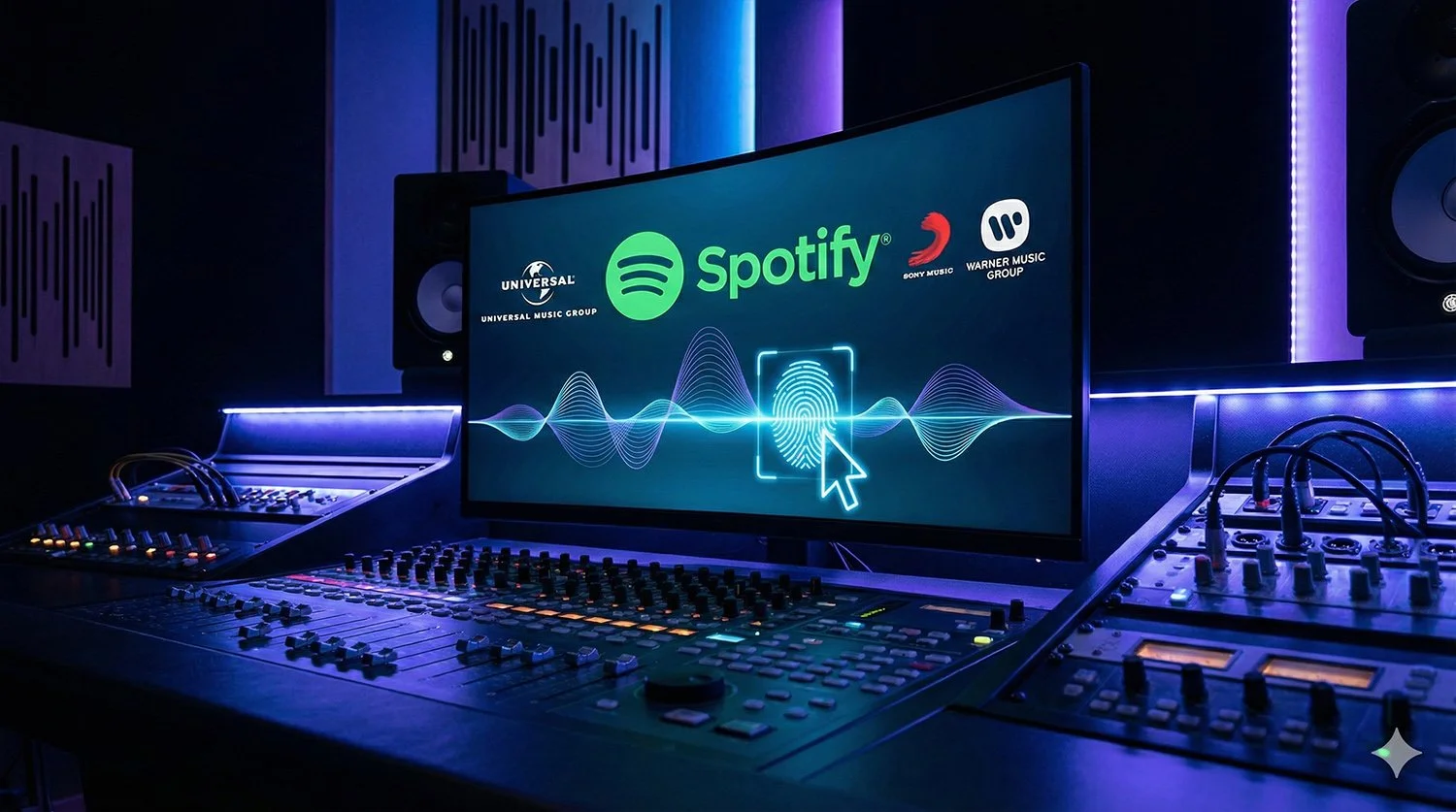
Spotify AI DJ: A closed, consumer-facing feature within the Spotify app. It mimics a radio host’s style but is personalized to each user based on listening history.


















Ethical and Regulatory Frontiers
As AI’s role in audio grows, so do the ethical and regulatory questions.
Job displacement: Unions and industry groups are pushing for guarantees that AI will be used to augment rather than replace human staff, and for clear disclosure when synthetic voices are on air.
Privacy and Regulation: The European Union’s AI Act, which entered into force in August 2024, creates risk-based categories for AI systems and imposes strict requirements on "high-risk" applications. By contrast, Australia continues to rely primarily on its existing Privacy Act and voluntary safety standards, while the federal government consults on additional guardrails.


























Market Forecasts and the Road to 2030
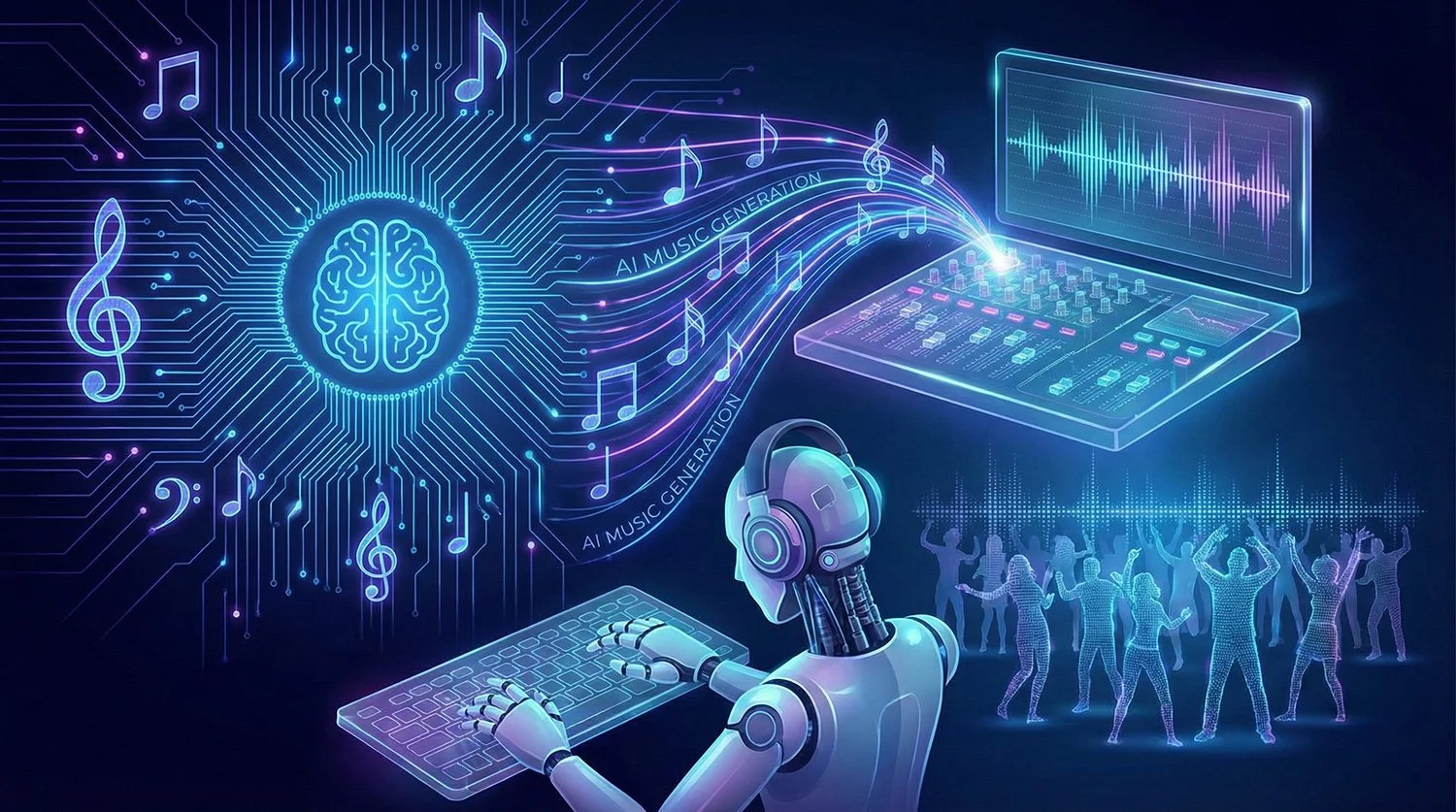
The economic stakes are substantial. Market research on generative AI in music suggests that this segment alone could grow from around US$570 million in 2024 to nearly US$2.8 billion by 2030, driven by tools for automated composition, playlist curation, and synthetic vocal production.
Most current forecasts for radio’s future point toward a hybrid model rather than a full AI takeover. In that scenario, stations use AI to handle the mechanical work — overnight shifts, weather checks, and routine promos — while human teams focus on what machines still struggle to match: investigative journalism, high-empathy interviews, and deep community engagement.










































 TheDayAfterAI News
We are a leading AI-focused digital news platform, combining AI-generated reporting with human editorial oversight. By aggregating and synthesizing the latest developments in AI — spanning innovation, technology, ethics, policy and business — we deliver timely, accurate and thought-provoking content.