
XRPH AI Launches Vitals Dashboard for Africa’s 680M Mobile Users
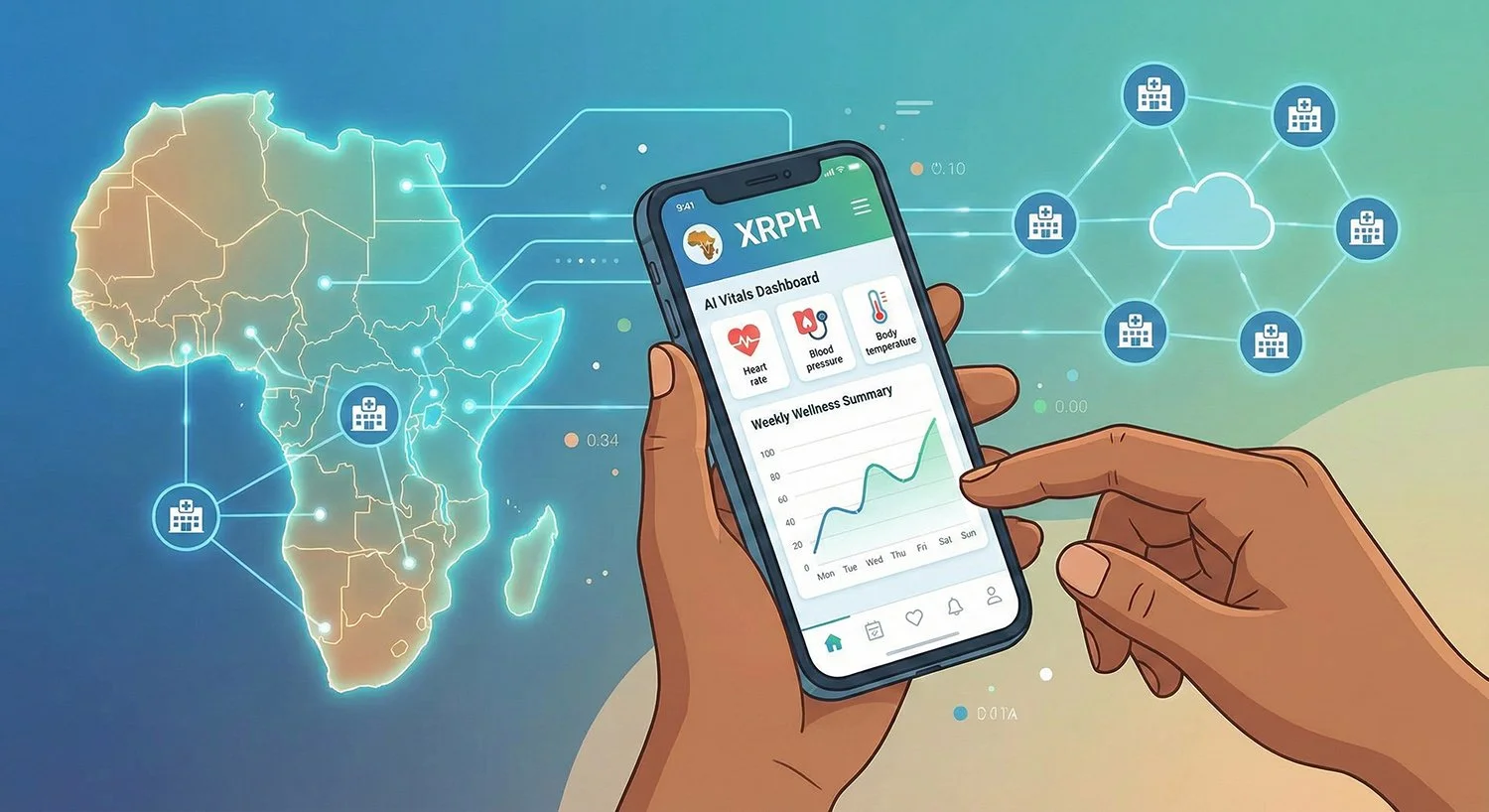
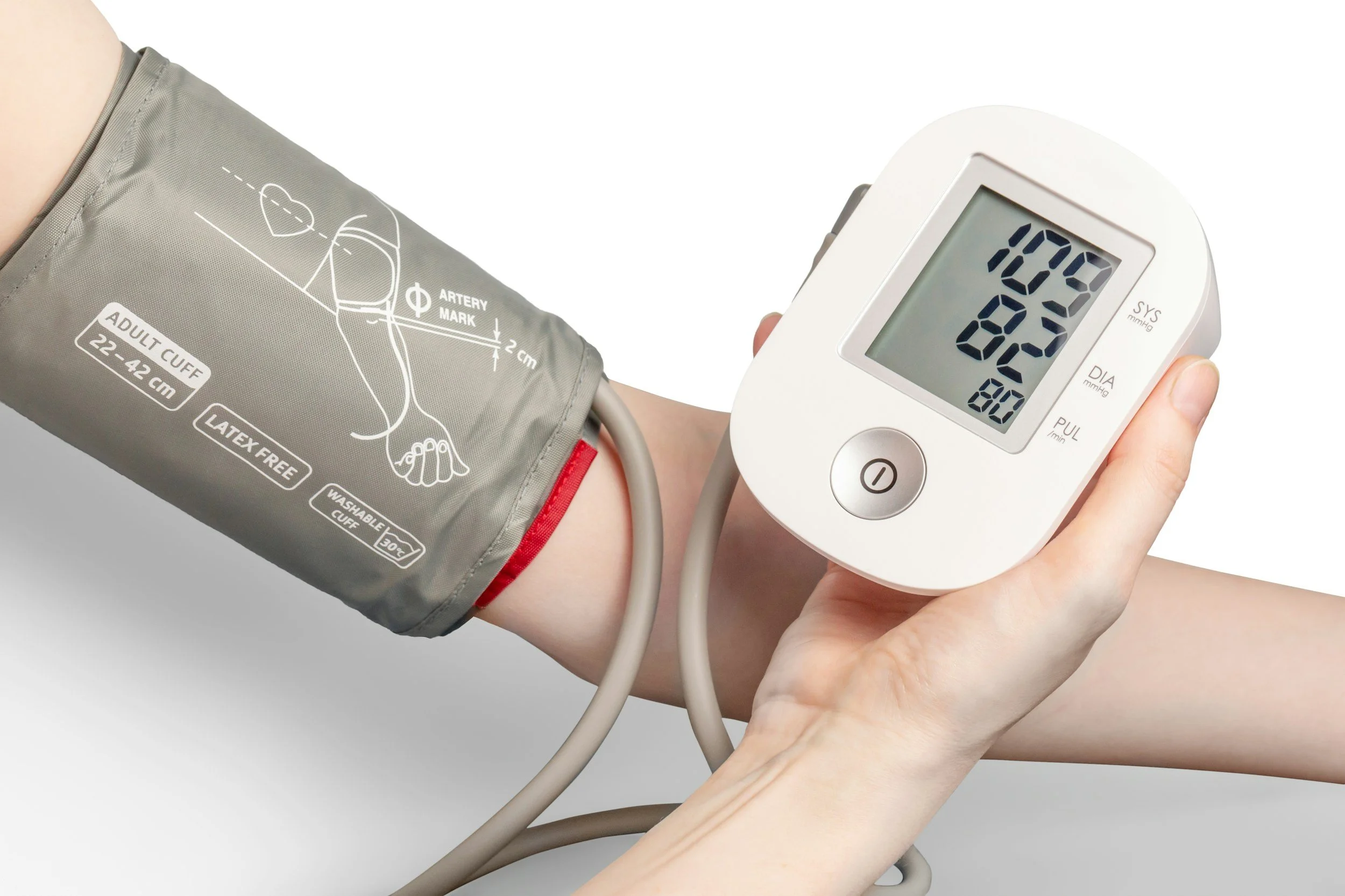
Illustrative Image Only (Credit: Jacky Lee)
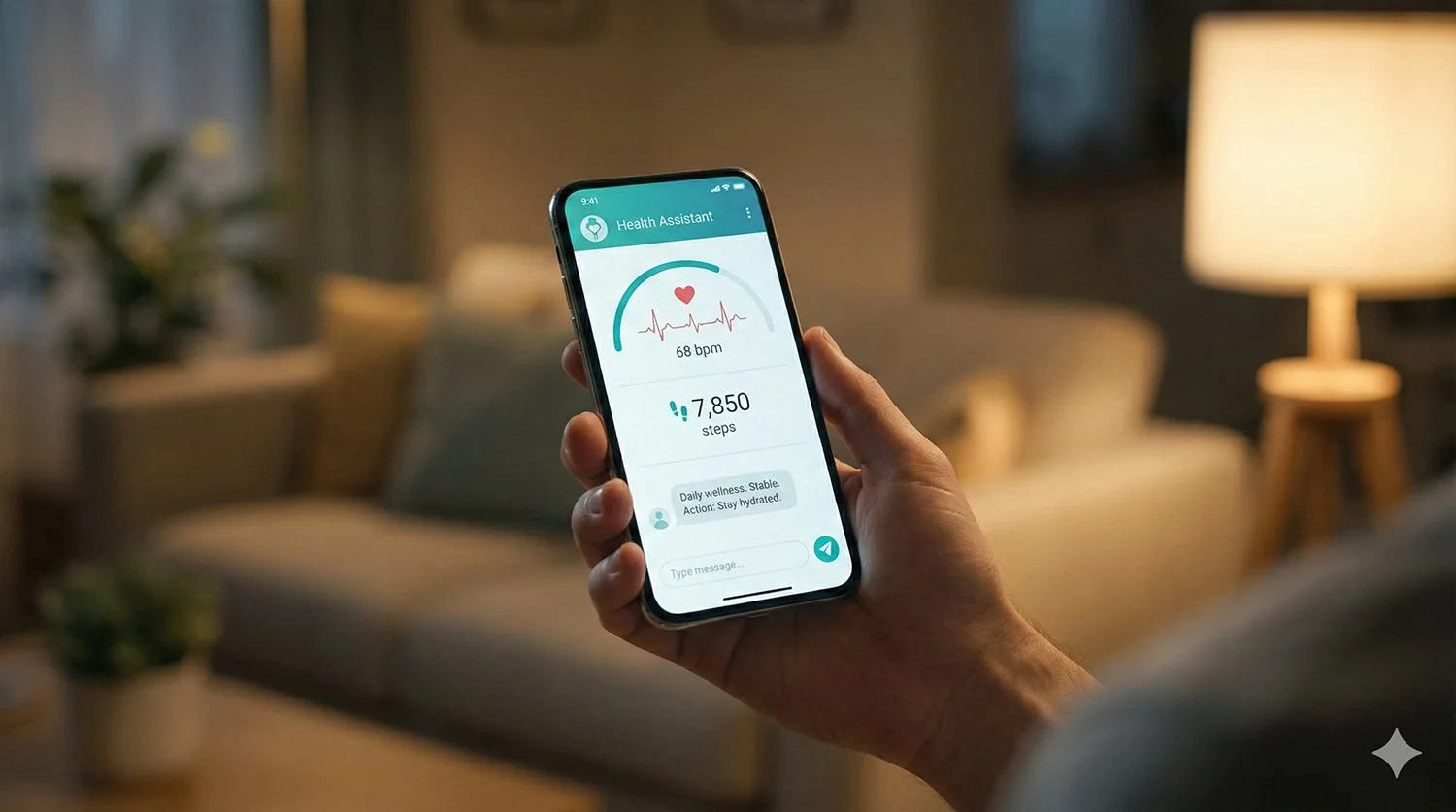
XRP Healthcare M&A Holding Inc has rolled out a new Vitals Dashboard inside its XRPH AI mobile app, letting users manually log blood pressure, heart rate and body temperature and receive weekly AI-generated wellness summaries on their phones. The feature went live on November 12, 2025, extending a toolset that already includes multilingual chat, prescription checks and symptom-image analysis.
The launch comes as mobile health tools gain traction across Africa. Smartphone users on the continent climbed from roughly 65 million in 2010 to more than 680 million in 2023, according to Statista data cited in a 2024 analysis, underscoring why health services are increasingly delivered through handsets rather than clinics alone. XRPH AI is now used across Africa, North America, Europe and Asia, positioning the app as a cross-continental companion rather than a purely local pilot.



























Company Origins and M&A Strategy
XRP Healthcare M&A Holding Inc traces its roots to 2022, when the XRP Healthcare brand was set up to marry blockchain payments and healthcare in emerging markets. The current M&A vehicle, based in the United Arab Emirates, focuses on acquiring pharmacies and clinics while building XRPH AI as the digital entry point for patients.
A centrepiece of this hybrid strategy is Pharma Ville, a Ugandan pharmacy company founded in 2016 that operates seven branches – five wholesale distribution centres and two retail outlets – across the country. The shareholders of Pharma Ville are now XRP Healthcare Holding Inc, making the chain part of the group’s East African network.
Uganda, with a population of about 45.9 million people according to the 2024 national census, is a flagship market for XRPH AI’s Africa-first push. Company press materials frame the app as a way to layer digital triage and guidance on top of largely paper-based medical records, a pattern still common across many African health systems.
Broader economic signals support the focus. Africa’s healthcare IT / digital health market is projected in multiple analyses to grow into a multi-billion-dollar segment by around 2030, with one XRP Healthcare–cited forecast putting healthcare IT alone above US$20 billion by that date. Overall healthcare spending on the continent is expected to exceed US$259 billion by 2030, reinforcing demand for more efficient delivery channels.























What the XRPH AI App Actually Does
According to recent press releases and independent trade coverage, XRPH AI combines several capabilities:
A multilingual conversational assistant that supports major world languages and multiple African dialects, allowing users to describe symptoms in their own language.
A verified doctor and clinic locator, with navigation based on geolocation data.
An on-device prescription scanner that captures and stores medication details locally on the phone.
AI-guided image analysis for visible symptoms such as rashes or throat issues, again processed on-device.
A U.S. Prescription Savings Card integration that offers discounts of up to 80% on many medicines and is accepted at more than 68,000 pharmacies, including large chains such as Walmart, CVS, Walgreens, Kroger, Publix, Albertsons, Costco and Safeway.
The new Vitals Dashboard builds on these tools by adding:
Manual entry fields for blood pressure, heart rate and body temperature.
Weekly AI-generated trend reports, designed to highlight changes that may warrant a follow-up with a clinician.
Crucially, both the earlier features and the new dashboard are presented as working even in areas with patchy connectivity, because the app leans heavily on on-device computation instead of always pushing data to the cloud.





























‘HIPAA-Grade’ Claims and On-Device Design
XRP Healthcare markets XRPH AI as “Africa’s first HIPAA-grade AI health application” or “digital health app,” language used in both an August 27 press release and a November 21 trade article syndicated via EIN Presswire. In this context, “HIPAA-grade” refers to a privacy model inspired by the U.S. Health Insurance Portability and Accountability Act (HIPAA), rather than to a publicly documented third-party certification.
The company’s specific claims include:
All personal health data remains encrypted on the user’s device, not on XRP Healthcare’s servers or in public cloud storage.
Protected health information (PHI) is not retained by the company, with future integrations (such as planned links to UgandaEMR, the national OpenMRS-based system) intended to pull records onto the phone while keeping them invisible to XRPH servers.
Encryption is applied both at rest and in transit, with the app designed so that only the user, or those they explicitly share data with, can access their information.
Compared with many consumer health apps operating in Africa, which tend to reference local data-protection laws or generic “security” without invoking HIPAA, this on-device-first model and explicit U.S. standard framing are unusual. Independent audits of full HIPAA compliance have not yet been published in the public domain, so readers should treat “HIPAA-grade” as the company’s positioning rather than a regulator’s verdict.






















From Workforce Gaps to Digital Experiments
XRP Healthcare’s messaging leans heavily on widely documented capacity constraints in African health systems. WHO and World Bank data show that many low- and lower-middle-income countries in the region have single-digit numbers of physicians per 10,000 people, well below levels seen in high-income nations, contributing to long waits and delayed diagnosis.
At the same time, digitalisation is accelerating:
Africa’s mobile and broadband adoption continues to climb, with internet penetration reaching about 43% in early 2024, creating a larger addressable base for mobile health services.
Reports cited by XRP Healthcare suggest that healthcare IT and digital health in Africa could collectively cross the US$20 billion mark by 2030, driven by government modernisation programmes, cloud infrastructure and demographic growth.
Against this backdrop, XRPH AI is pitched not as a replacement for clinicians, but as a front-door triage, education and navigation layer that can operate in multiple languages and feed demand toward the group’s physical assets such as Pharma Ville branches.






















TSX Venture Plans and Corporate Structure
On the capital-markets side, XRP Healthcare M&A Holding Inc has signed a definitive agreement for a qualifying transaction with AAJ Capital 3 Corp., a Canadian capital pool company listed on the TSX Venture Exchange (TSX-V).
Key points from regulatory and company filings include:
The proposed transaction, if completed and approved, would result in XRP Healthcare M&A Holding Inc becoming a TSX-V-listed entity focused on healthcare M&A and the XRPH AI app.
As of late November 2025, the process is described as “proposed” and “advancing toward” a listing, not yet finalised, meaning the company remains in a pre-listing phase, subject to TSX-V and shareholder approvals.
A separate non-brokered private placement of subscription receipts has been announced to fund expansion ahead of and contingent on the listing.
This clarifies that some online commentary implying that the TSX-V listing is already complete is premature or inaccurate based on official filings and press releases available today.

























How the Vitals Update Changes the Proposition
The Vitals Dashboard pushes XRPH AI further into preventive, longitudinal tracking rather than one-off symptom checks:
Users who previously only scanned prescriptions or queried symptoms can now log core vitals over time and view AI-generated summaries of trends each week.
Because those vitals are stored and processed locally, the dashboard still works in low-connectivity environments, a key consideration in many African and rural settings.
For users in the United States and diaspora communities, the combination of vitals tracking plus the prescription savings card potentially ties daily monitoring to tangible cost savings at the pharmacy counter.
From a system perspective, the integration with Pharma Ville’s seven branches gives XRPH AI somewhere “real” to send Ugandan users who need in-person care or medications, rather than leaving referrals entirely virtual.























Remaining Questions and Risks
Despite the promising architecture, several open issues remain:
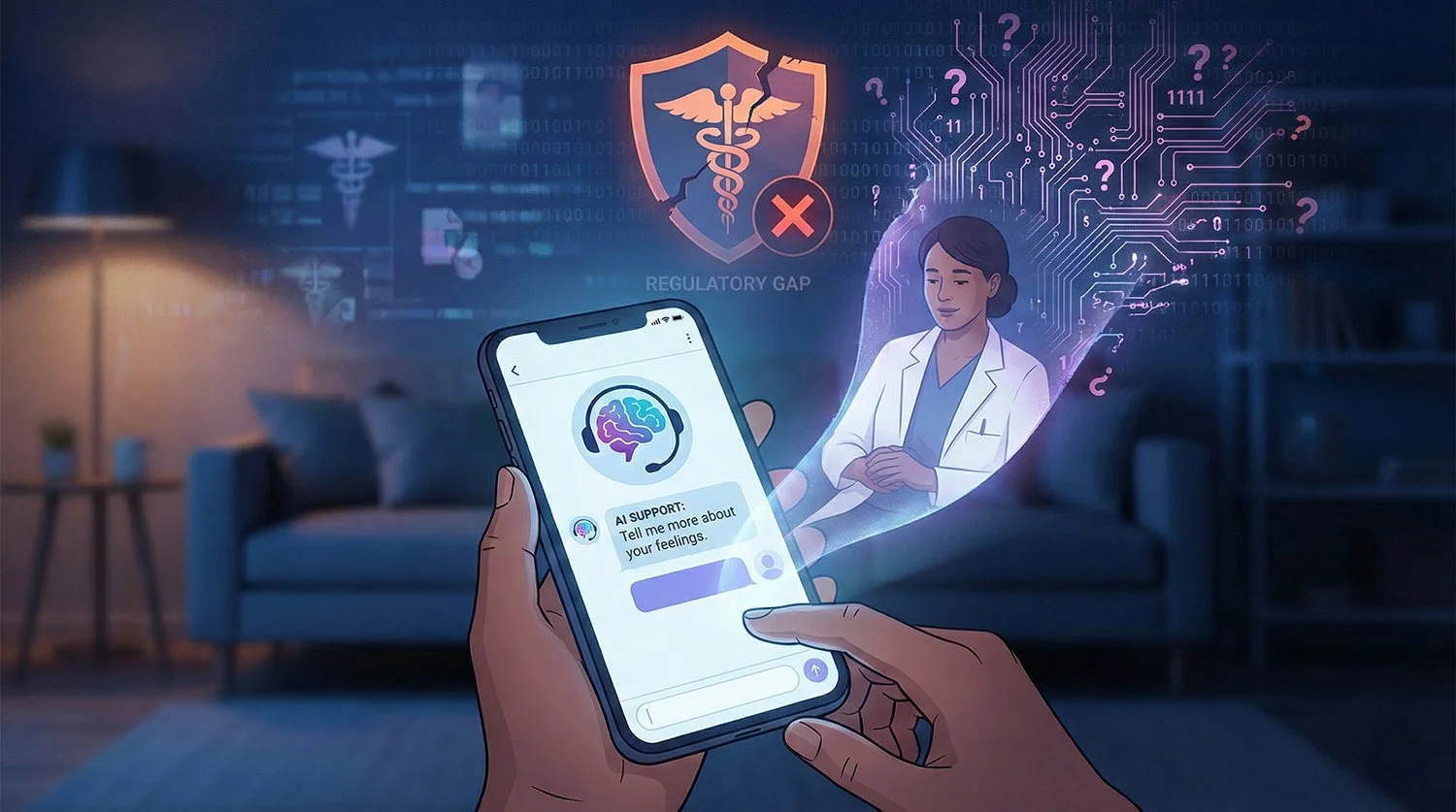
Regulatory oversight – Uganda and other African states are still developing frameworks for AI-assisted diagnostics and digital health. Regulators are likely to scrutinise how XRPH AI frames risk, especially if users misinterpret trend reports as formal diagnoses.
Verification of “HIPAA-grade” practices – XRP Healthcare’s statements about on-device PHI and encryption are detailed, but independent third-party audits or certifications have not been widely published, making external verification difficult at this stage.
Interoperability with national systems – The roadmap mentions future integration with UgandaEMR (based on OpenMRS) so patients can pull official records onto their phones. That will depend on technical agreements with public-sector stakeholders and may be complex in practice.
Digital divide and data bias – While the app supports multiple languages and is built for low bandwidth, access still presupposes smartphone ownership and basic digital literacy, which remain unevenly distributed across urban and rural communities.
Crypto-linked perception risk – Because the broader XRP Healthcare brand is associated with the XRP Ledger and a healthcare token, scepticism toward cryptocurrencies could spill over into perceptions of the health product, even though the XRPH AI app is presented as a free, fiat-agnostic assistant.

























Source: UBOS, Finextra, PR Newswire, AIthority
















 TheDayAfterAI News
We are a leading AI-focused digital news platform, combining AI-generated reporting with human editorial oversight. By aggregating and synthesizing the latest developments in AI — spanning innovation, technology, ethics, policy and business — we deliver timely, accurate and thought-provoking content.