
Hong Kong Fire: 128 Dead, 11 Arrested in Tai Po Tower Blaze Inquiry
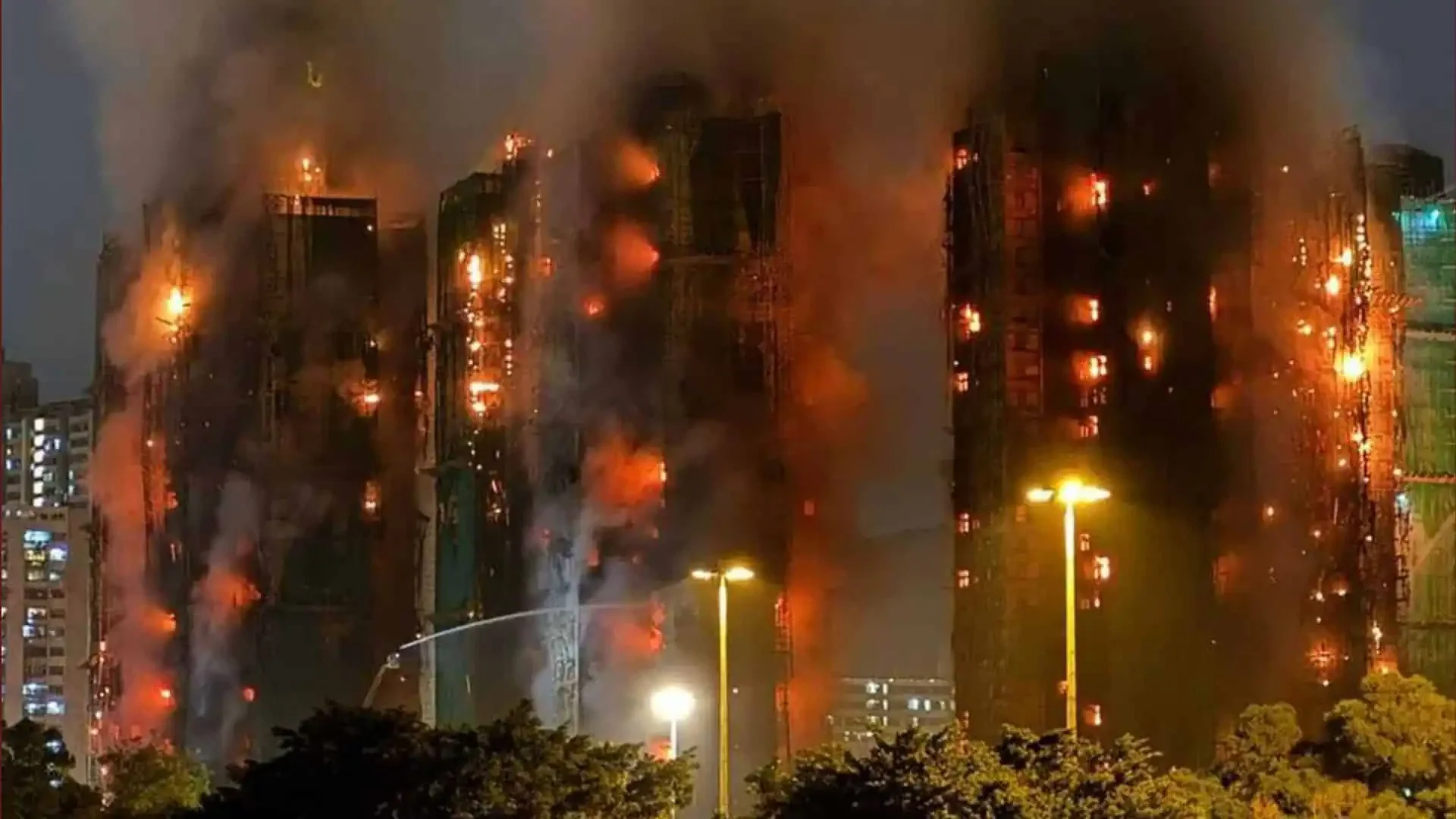
Image Source: Mac Observer
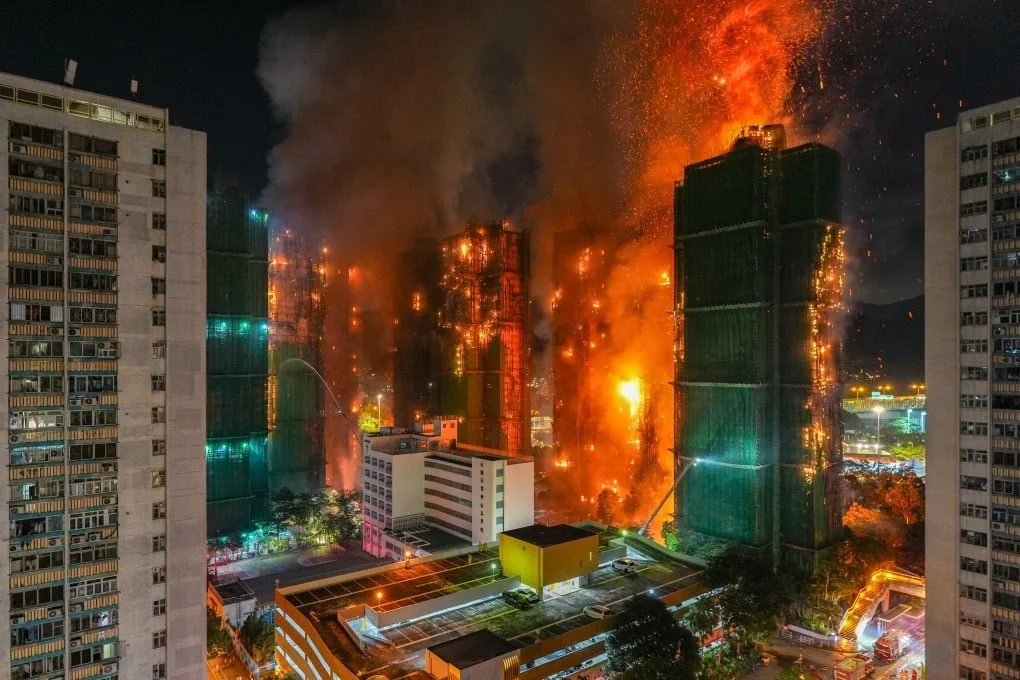
A devastating fire that tore through a public housing complex in Hong Kong’s northern Tai Po district has killed at least 128 people and left about 200 residents unaccounted for, authorities said on Friday, making it one of the city’s deadliest fires in nearly eight decades. The blaze, which began on Wednesday afternoon amid major renovation works, rapidly spread across seven of the estate’s eight high-rise towers at Wang Fuk Court, a 1983-built complex of about 1,987 flats housing roughly 4,800 residents.
As international outlets from Reuters to the Guardian and Al Jazeera focused on the tragedy, attention turned to how flammable renovation materials, faulty fire safety systems and long-standing reliance on bamboo scaffolding may have turned a construction site into a deadly trap – and whether emerging technologies such as artificial intelligence could strengthen oversight in the future.



























The Blaze Unfolds: Rapid Spread Across Seven Towers
According to the Fire Services Department, the fire was first reported at around 2:51 p.m. local time on November 26, when flames broke out on the bamboo scaffolding surrounding Wang Cheong House (Block F) at Wang Fuk Court. Wrapped in green safety netting as part of estate-wide exterior repairs, the scaffolding caught fire and the blaze raced up the façade before jumping to neighbouring towers.
Within hours, seven of the estate’s eight 31–32-storey towers were involved, making the incident a No. 5 alarm – Hong Kong’s highest fire classification and the first such case since the 2008 Cornwall Court blaze in Mong Kok.
Officials say more than 140 fire engines and other vehicles, and close to 800 firefighters and paramedics, were deployed, alongside large numbers of police. Emergency crews fought the blaze for more than 24 hours amid intense heat, strong winds and falling debris.
A 37-year-old firefighter died after collapsing during operations, and at least 79 people – including 12 firefighters – were injured. Rescue teams have recovered 128 bodies so far; authorities say many of the dead cannot yet be formally identified due to the severity of burns. Approximately 200 people remain unaccounted for, even after search and rescue operations were formally wound down on Friday.
Tai Po, a suburban district of about 300,000 people near the border with Shenzhen, exemplifies Hong Kong’s dense high-rise living. Census and housing data show that around 40 per cent of Wang Fuk Court’s residents are aged 65 or above, complicating evacuation efforts as smoke and flames spread through stairwells and lift lobbies.


























Renovation Works and Flammable Materials Under Scrutiny
Initial investigations by police and fire officials point to a combination of renovation practices and building conditions that may have sharply worsened the disaster.
All eight towers at Wang Fuk Court had been undergoing major external repair works since mid-2024, under a contract valued at around HK$330 million (about US$42 million). The project involved extensive bamboo scaffolding and green construction mesh around the buildings.
Police allege that some of the materials used during the works did not comply with fire safety requirements. Fire Services Director Andy Yeung and other officials have said that highly flammable polystyrene foam was installed over lift lobby and corridor windows, while external mesh and sheeting around the scaffolding also failed to meet required standards. Once ignited, these materials are believed to have allowed flames and smoke to travel rapidly along corridors and into flats.
Residents and local media had documented concerns about renovation safety before the fire, including debris clutter, smoking on scaffolds and the extent of foam and netting used to seal openings. Labour authorities had inspected the site multiple times since 2024 amid a broader focus on scaffolding safety, though details of any earlier enforcement actions at Wang Fuk Court are still emerging.
Bamboo scaffolding – a traditional building method in Hong Kong – has come under particular scrutiny. Industrial accidents involving bamboo scaffolds have killed multiple workers in recent years, according to official figures. In March 2025, the government announced plans to begin phasing in metal scaffolds on safety grounds, including a requirement that half of public construction works use metal frames instead of bamboo. The Wang Fuk Court fire has intensified calls for a wider and faster shift away from bamboo on high-risk sites.


























Safety Systems That Failed When Needed Most
Beyond the materials used, investigators have highlighted serious problems with basic fire safety systems at the estate.
Hong Kong’s Fire Services Department has confirmed that alarm systems in all eight towers failed to sound properly during tests conducted after the incident. Residents told multiple outlets that they did not hear any fire alarm when the blaze began; many only became aware of the danger when neighbours knocked on doors or messages circulated in chat groups.
The combination of malfunctioning alarms, elderly residents and smoke-filled escape routes likely contributed to the high casualty count. Some residents were reportedly found in their flats rather than in stairwells, suggesting they may not have realised the scale of the fire or been able to evacuate in time. Officials have indicated that they intend to pursue enforcement action over the alarm failures, though detailed findings are still pending.




























Arrests, Corruption Probe and Regulatory Response
Hong Kong police have arrested three senior staff from Prestige Construction & Engineering Co Ltd – two directors and an engineering consultant – on suspicion of manslaughter, alleging “gross negligence” in their handling of the renovation. Investigators say the company is suspected of using non-compliant external materials and foam sealing that contributed to the speed and intensity of the blaze.
Separately, the city’s anti-corruption watchdog, the Independent Commission Against Corruption (ICAC), has launched a full probe into possible corruption related to the Wang Fuk Court renovation contract. ICAC says it has arrested several people connected to the project, including directors and project managers from the consulting firm overseeing the works, scaffolding subcontractors and an intermediary. Search warrants were executed at multiple locations, and project documents and financial records were seized.
Taken together, the police and ICAC actions mean at least 11 individuals are now in custody in connection with the fire and the renovation project. None has been formally charged, and investigations are continuing.
Chief Executive John Lee has ordered inspections of all public housing estates and major renovation projects across the city, with particular emphasis on scaffolding, fire safety systems and the use of foam and cladding materials. Officials have signalled that a review of fire codes and construction regulations is likely once the Wang Fuk Court inquiry reports in full.






























Human Impact: Displacement, Grief and Community Support
The fire has displaced hundreds of families. Authorities and media reports indicate that nearly 900 residents have been staying in temporary shelters across Tai Po, including community halls, religious venues, gyms and spaces offered by local businesses. Others have been put up by relatives or are staying in hotels.
The Hong Kong government has set up a relief fund of HK$300 million (about US$38 million) to support affected residents with emergency needs and longer-term rehousing assistance. Community groups, charities and professional bodies have mobilised quickly, providing food, clothing, counselling, legal advice and help for displaced pets.
Consular officials from the Philippines, Indonesia and other countries have been assisting in identifying victims and supporting migrant domestic workers affected by the disaster. Among the missing and dead are foreign nationals who lived and worked in the estate.
Expressions of sympathy have come from around the world. Chinese President Xi Jinping has called for “all-out efforts” to minimise casualties and support survivors, while Pope Leo XIV has sent a formal message of condolence to Hong Kong’s Catholic community via Cardinal Stephen Chow, assuring victims and rescue workers of his prayers. Leaders from multiple countries have also issued statements of support.
























AI, Smart Sensors and the Road Ahead
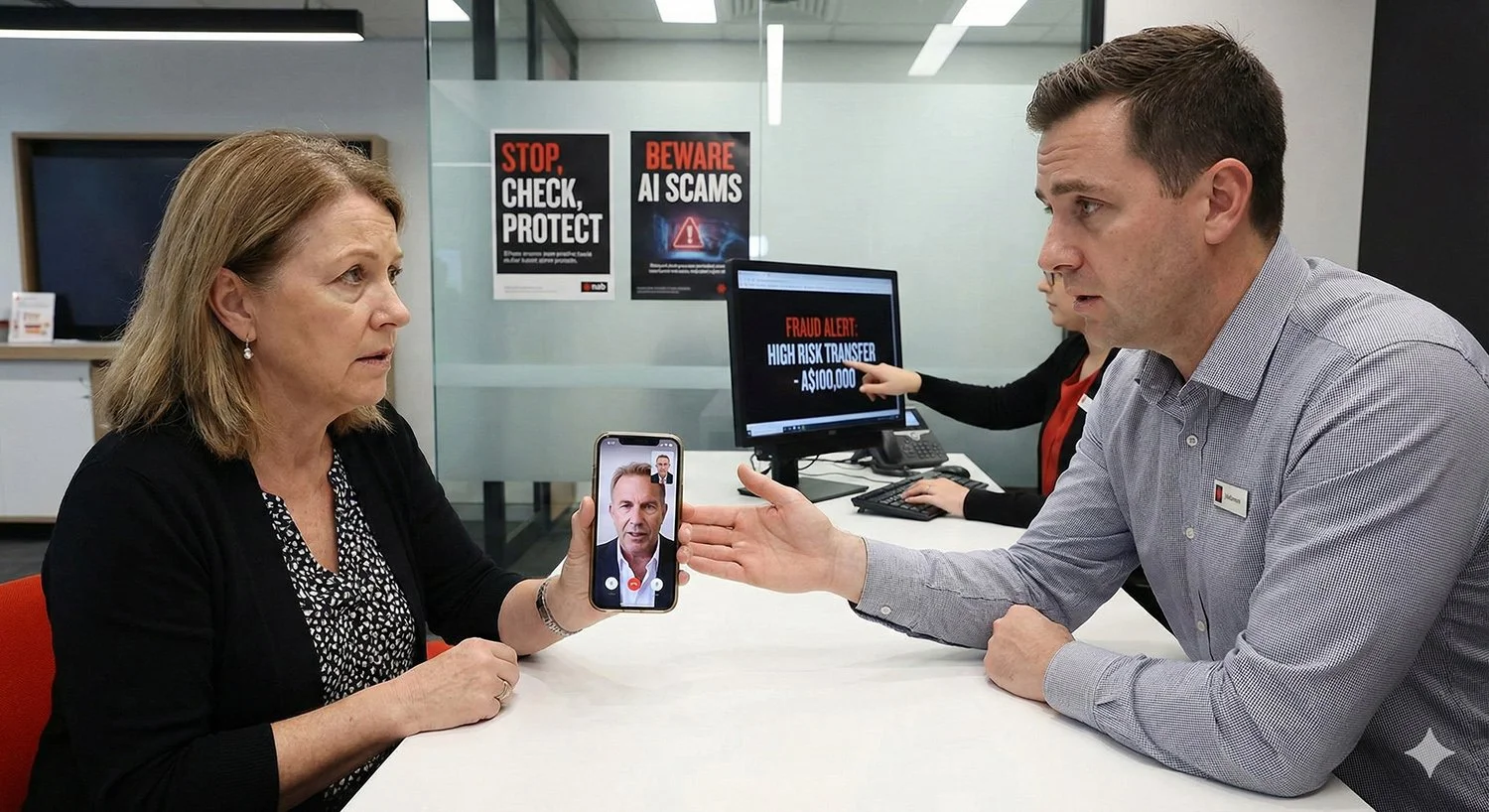
Although the precise causes and legal responsibilities are still under investigation, the Wang Fuk Court tragedy has intensified debate over how regulators monitor large-scale maintenance projects in densely populated cities – and whether new technologies, including artificial intelligence and networked sensors, should play a larger role.
Safety experts note that, in principle, AI systems could help authorities and housing bodies to prioritise inspections by analysing large volumes of data: past safety violations, accident records, inspection reports and contractor profiles. Such tools, if carefully designed and overseen, might flag high-risk projects – for example, where contractors have repeated offences or where residents have lodged multiple unresolved complaints about unsafe practices – before problems escalate.
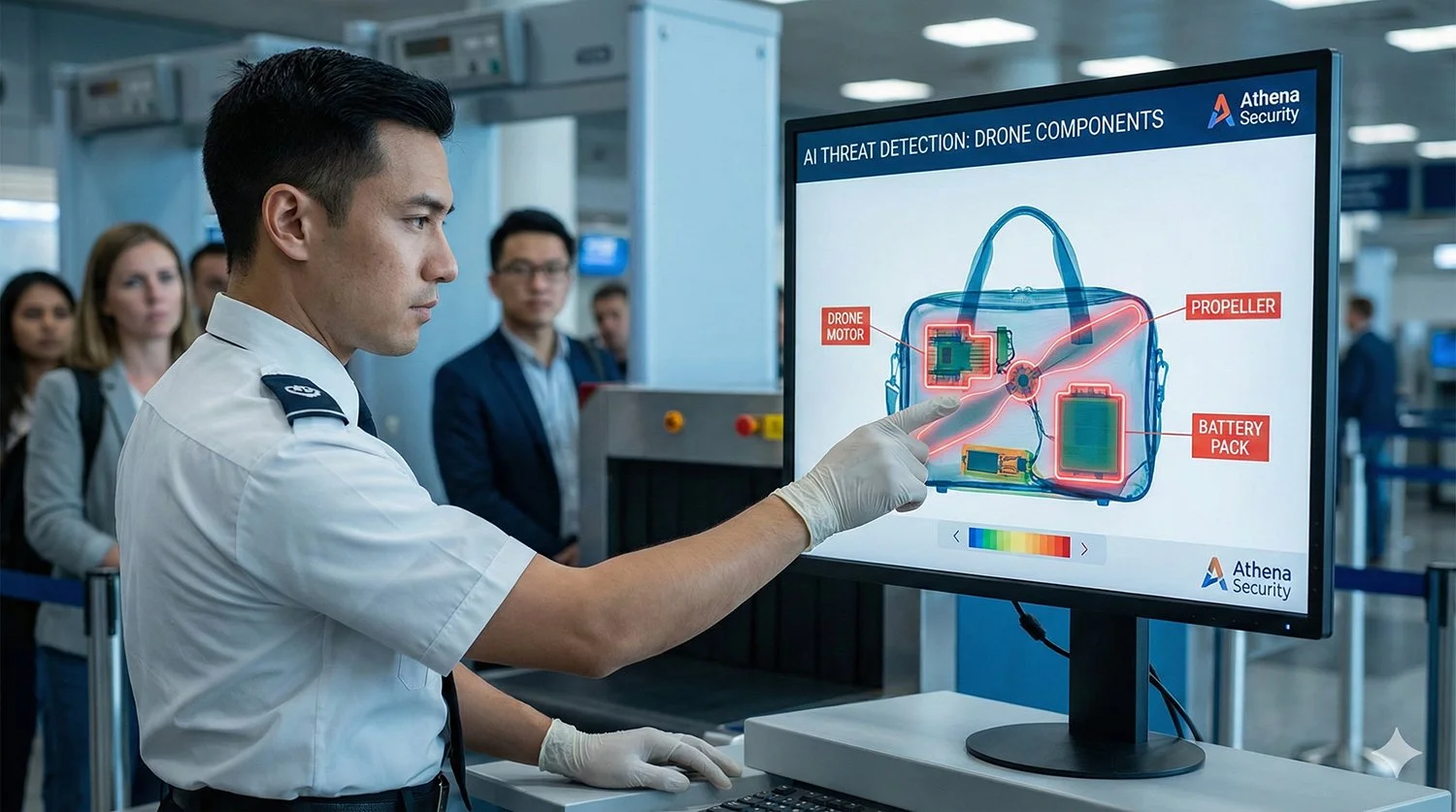
Beyond high-level risk profiling, specialists say connected devices could also contribute. Networked heat and smoke detectors on scaffolding and in common areas, linked through so-called “internet of things” (IoT) platforms, could flag repeated smoking or unusual hot spots before a blaze takes hold. In principle, those signals could be analysed by AI systems and tied into building alarm panels or control rooms, prompting early checks by on-site staff or firefighters rather than relying solely on residents to raise the alarm.
Computer vision and sensor systems could also, in theory, be used to model how a blaze might spread along façades and common corridors under different renovation scenarios, informing stricter rules on where and how flammable coverings and foam can be installed. Similar ideas are being explored in other sectors, such as industrial safety and wildfire management, though large-scale deployment in Hong Kong’s construction and housing context has yet to take shape in a systematic way.
Specialists caution, however, that technology is not a substitute for clear regulations, adequate staffing in inspection teams and consistent enforcement. Any use of AI and IoT in this area would need robust governance, transparency and accountability to avoid new forms of risk or intrusive surveillance. At Wang Fuk Court, early evidence suggests that conventional failures – non-compliant materials, inadequate alarms and human decisions on cost and safety – were enough on their own to turn a renovation project into a catastrophe.
























A Landmark Disaster for Hong Kong Fire Safety
With at least 128 deaths confirmed and more expected as identification continues, the Wang Fuk Court blaze has already surpassed the 1996 Garley Building fire in Hong Kong (41 deaths) and the 2017 Grenfell Tower disaster in London (72 deaths), placing it among the deadliest residential fires globally in recent decades. Several international outlets have described it as Hong Kong’s worst fire since the late 1940s, when a major conflagration in Sai Wan killed 176 people.
The disaster has triggered anger, soul-searching and calls for reform in a city where high-rise housing dominates and where many older estates are now undergoing large-scale renovation. Questions are likely to focus not only on individual companies and decisions at Wang Fuk Court, but also on systemic issues: whether existing fire codes adequately address scaffolding and temporary works, how inspections are prioritised, and how the needs of elderly and disabled residents are factored into evacuation planning.
As investigations proceed and residents begin the long process of rebuilding their lives, the tragedy at Wang Fuk Court is poised to become a reference point – and a test case – for how Hong Kong, and other high-density cities, adapt their fire safety regimes to an era of ageing buildings, intensive retrofits and new technological tools.





















Source: Reuters, Wikipedia, SCMP, AA, AI Jazeera, The Guardian, The Standard, CNA, RTHK
















 TheDayAfterAI News
We are a leading AI-focused digital news platform, combining AI-generated reporting with human editorial oversight. By aggregating and synthesizing the latest developments in AI — spanning innovation, technology, ethics, policy and business — we deliver timely, accurate and thought-provoking content.